

The web development landscape continues to shift rapidly as major tooling updates, browser capabilities, and platform metrics take center stage. From native browser support for high-performance image formats to heavily anticipated major version releases in CSS-in-JS libraries and video player architectures, developers are seeing a concerted push toward performance, native platform utilization, and reduced overhead. Recent announcements from Cloudflare, the Chrome team, Sass maintainers, and prominent ecosystem contributors highlight how modern web applications are evolving to meet tightening standards for speed and user experience.

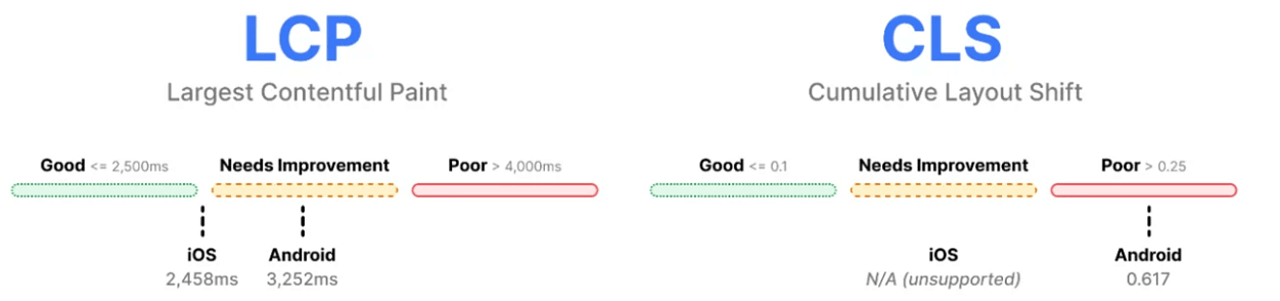
One of the most significant data releases for performance optimization comes from Cloudflare, which has launched a new, free BigQuery dataset tracking Core Web Vitals across ten thousand large sites. Authored by Townsend and Jansma, the dataset offers anonymized real-user measurements updated daily, covering both Safari and WebKit environments alongside Chrome. Initial findings from the vast telemetry pool challenge traditional assumptions about web bottlenecks, revealing that asset downloads typically constitute the smallest fraction of a slow Largest Contentful Paint (LCP). By examining billions of real-user interactions, developers and browser vendors alike gain a clearer picture of actual web performance rather than synthetic lab results, shedding light on the true culprits behind rendering delays.
Browser capabilities are also expanding significantly with the rollout of Chrome 155, which officially brings native support for JPEG XL images to the stable channel. Spearheaded by Versari, Firsching, and Jängenstedt from the Chrome for Developers team, the integration of the .jxl format offers substantial technological advantages over legacy formats, boasting thirty to fifty percent better compression than standard JPEGs alongside native High Dynamic Range (HDR) support. As web applications continuously strive to minimize payload sizes without sacrificing visual fidelity, the adoption of JPEG XL provides a powerful native alternative for developers managing image-heavy platforms. For developers seeking to catch up on recent browser tooling changes, Matthias Rohmer’s latest technical walkthrough covers DevTools updates spanning Chrome versions 151 through 153.
Parallel to these browser improvements, the community feedback window for upcoming platform features has officially opened with the launch of the State of HTML 2026 survey. Organized by Devographics, the annual questionnaire examines real-world adoption and sentiment regarding HTML elements, forms, web components, and emerging browser APIs. Because browser vendors heavily rely on these aggregated insights to shape their implementation roadmaps, participation directly influences which features receive prioritization for future platform development. The survey, which takes roughly ten to fifteen minutes to complete, serves as a vital bridge between everyday practitioners and the standards bodies designing the future of the web.
Discussions surrounding the philosophy of web development have also gained momentum, with prominent platform advocate Nolan Lawson publishing a critical look at why developers frequently bypass native capabilities in favor of custom JavaScript and CSS abstractions. Lawson explores the deep-seated habits that drive engineering teams to rebuild functionalities already provided directly by the browser platform. This sentiment ties closely into ongoing explorations of native CSS capabilities, such as Matt Smith’s deep dive into CSS Anchor Positioning properties like anchor-name and position-anchor. These features allow developers to construct reliable tooltips and dropdowns that maintain their spatial positioning even through complex window resizes and page scrolls. Complementing these layout discussions, Patrick Brosset of the Edge team has examined the historical underutilization of native title tooltips, highlighting potential future improvements such as the proposed stylable ::tooltip pseudo-element.

Styling architectures are undergoing structural evolution as well, marked by the announcement of Dart Sass 2.0 by Natalie Weizenbaum. Slated for release in December, the upcoming major version of the stylesheet preprocessor aims to clean up legacy behaviors by converting the majority of deprecation warnings accumulated throughout the 1.x lifecycle into hard build errors. While Sass occupies a different space in modern toolchains than it did a decade ago, the maintenance team continues to push the project toward stricter standards and modernized performance.
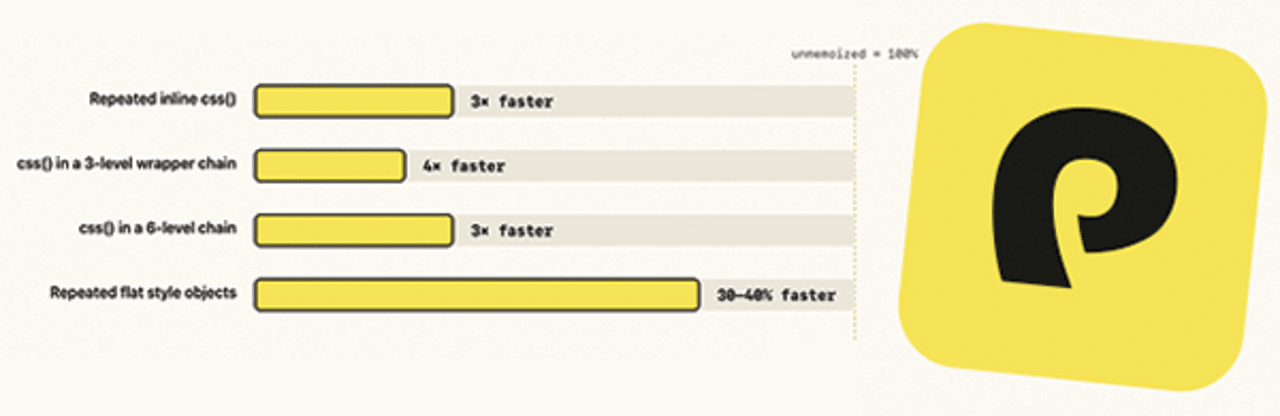
In the realm of modern CSS tooling, the release of Panda CSS 2.0 introduces a major generational update for the popular CSS-in-JS library. Maintained by Adebayo, Adebesin, and Adebayo, the new version preserves the familiar css() API while completely rebuilding the underlying compiler in Rust for dramatically faster build times. Panda CSS 2.0 also expands its feature set to include publishable design systems, native view-transition styling integrations, a dedicated ESLint plugin, and a brand-new typography preset, reflecting the broader industry trend of migrating performance-critical tooling to systems languages.
Video infrastructure on the web is undergoing a similar consolidation. Video.js has officially reached its tenth major version, a milestone arriving sixteen years after the project first helped publishers transition away from Adobe Flash. Directed by Steve Heffernan, the rebuilt codebase unifies five distinct video player projects—incorporating contributions from the teams behind Plyr, Vidstack, Media Chrome, and Mux Player. The resulting architecture delivers a package that is sixty percent smaller in bundle size while offering native support for React and modern web components, alongside deeply customizable skins designed to give developers granular control over their media interfaces.
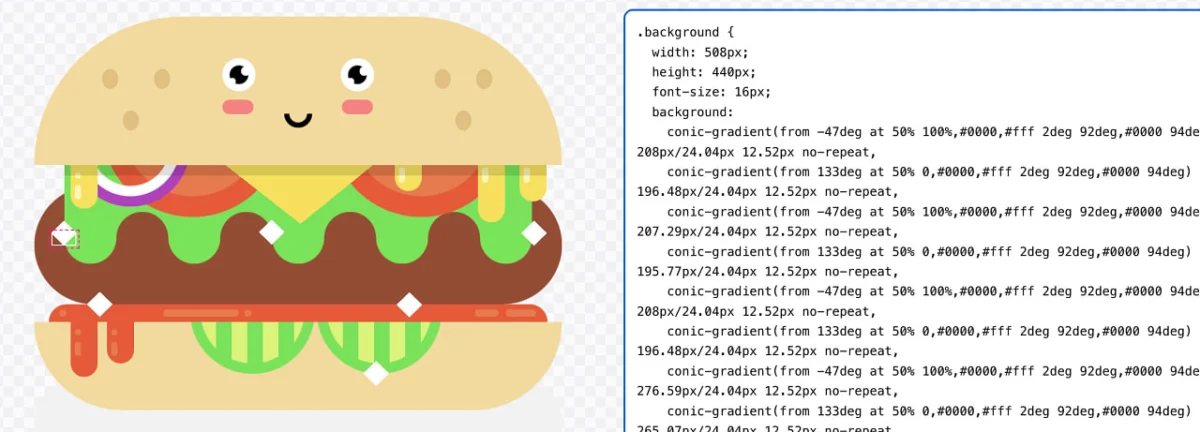
Visual debugging tools continue to mature to match these complex styling systems. Ahmad Shadeed has released the Gradient Visualizer, a specialized utility designed to help developers untangle multi-layer CSS background gradients. By pasting a complex background value into the tool, engineers can isolate individual gradient layers, inspect the composition in a three-dimensional view, replay the layering order as a timelapse, and modify parameters to generate updated production-ready code.
As these diverse updates across browser runtimes, styling engines, performance metrics, and video architectures demonstrate, the web engineering ecosystem is actively refining its foundations. Whether through adopting native image compression, leveraging rewritten build compilers, or utilizing expansive real-user telemetry data, developers are equipped with increasingly powerful tools to build faster, more resilient digital experiences.









No comments yet. Be the first to join the conversation!