

The landscape of web development continues to evolve at a rapid pace, bringing significant updates to browser capabilities, performance analysis tools, frameworks, and developer surveys. From major browser integrations and comprehensive performance datasets to rewritten styling engines and updated video players, developers have plenty of new technologies and insights to digest as the web ecosystem moves forward.
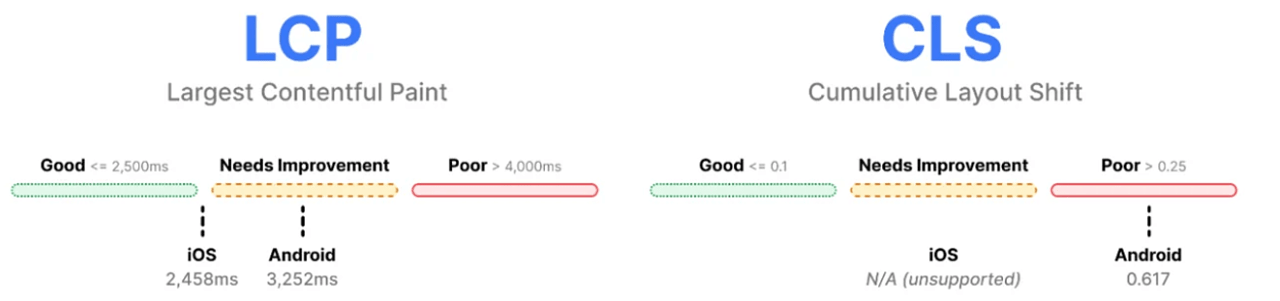
One of the most notable data releases comes from Cloudflare, which has launched a new free BigQuery dataset tracking anonymized real-user Core Web Vitals. Authored by Townsend and Jansma, the project aggregates measurements from 10,000 large Cloudflare-fronted sites and is updated on a daily basis. Crucially, the dataset extends beyond Google’s Chrome browser to include Safari and WebKit traffic, providing a much broader picture of real-world user experiences. Initial findings from the data have already shed light on persistent performance bottlenecks, revealing that asset downloads are frequently the smallest contributor to a slow Largest Contentful Paint (LCP), prompting developers to rethink how they optimize rendering pipelines and server-side performance.

In the browser vendor space, Chrome 155 has officially rolled out native support for JPEG XL image files, allowing developers to implement the .jxl format in production environments. Highlighted by Versari, Firsching, and Jängenstedt from the Chrome for Developers team, JPEG XL offers dramatic performance and quality benefits, delivering between 30 and 50 percent better compression compared to standard JPEG images while also introducing robust High Dynamic Range (HDR) support. For developers looking to catch up on recent browser tooling changes, Matthias Rohmer has released a comprehensive video breakdown covering DevTools updates across Chrome versions 151 through 153.
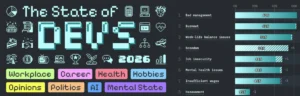
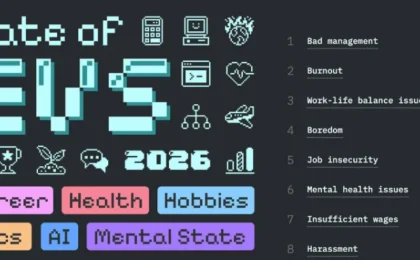
Community engagement is also ramping up with the official opening of the State of HTML 2026 Survey. Run by Devographics, the annual initiative asks developers to weigh in on how they utilize HTML, web forms, web components, and emerging browser APIs. Because browser vendors rely heavily on these survey insights to shape and prioritize their development roadmaps, participation directly influences which platform features receive attention and eventually ship to production browsers.
As developers continue to evaluate how they build for the web, questions surrounding platform adoption remain a hot topic of discussion. Nolan Lawson, a prominent advocate for the web platform, recently published a thoughtful exploration examining why so many developers bypass native browser capabilities in favor of custom JavaScript and CSS abstractions. Lawson explores the underlying psychological and architectural reasons why developers often rebuild functionality that modern web platforms already provide out of the box.
On the styling and design front, the conversation around component positioning has received a major boost. Matt Smith published an in-depth look at CSS Anchor Positioning—specifically properties like anchor-name and position-anchor—demonstrating how developers can now build native tooltips and dropdown menus that maintain their precise placement even during window resizing and page scrolling events. Meanwhile, Patrick Brosset has taken a closer look at the historic underuse of standard title tooltips, while highlighting the Edge team’s ongoing proposal for a fully stylable ::tooltip pseudo-element.

Preprocessors are also seeing major architectural shifts. Natalie Weizenbaum announced that Dart Sass 2.0 is officially slated for release in December. While Sass may not hold the absolute monopoly it once did in modern build pipelines, the upcoming 2.0 release marks a major milestone by converting the vast majority of deprecation warnings accumulated throughout the 1.x lifecycle into hard build errors, encouraging codebases to modernize their syntax.
Tooling and frameworks have received major updates as well, beginning with the release of Panda CSS 2.0. Developed by Adebayo, Adebesin, and Adebayo, the popular CSS-in-JS library retains its familiar css() API while replacing its internal compiler with one completely rewritten in Rust for drastically improved build speeds. The 2.0 release also adds support for publishable design systems, advanced view-transition styling, an official ESLint plugin, and a refreshed typography preset.
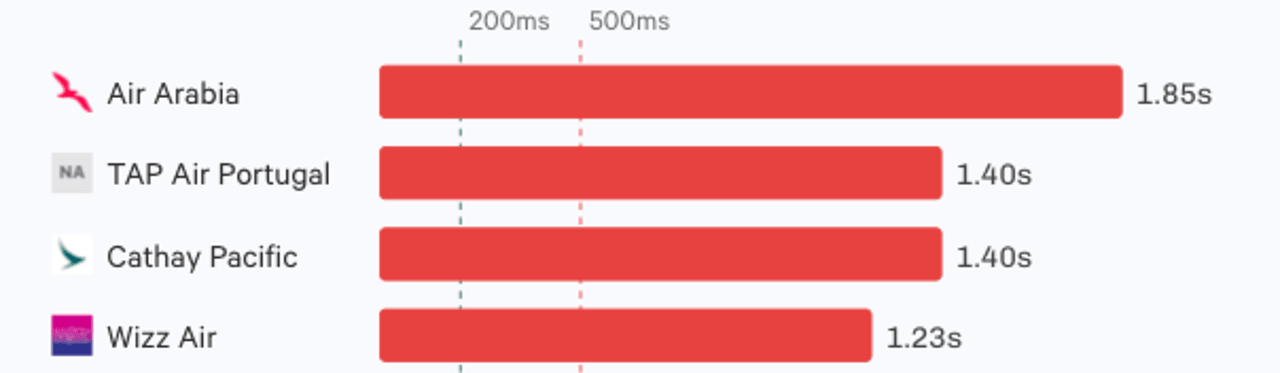
Video infrastructure on the web has reached another milestone with the launch of Video.js 10. Sixteen years after its initial release helped the industry transition away from Adobe Flash, the project has been completely rebuilt from the ground up by uniting the core engineering teams behind Plyr, Vidstack, Media Chrome, and Mux Player. The unified architecture delivers native React and web components support, a bundle size reduction of roughly 60 percent, and highly customizable skins.
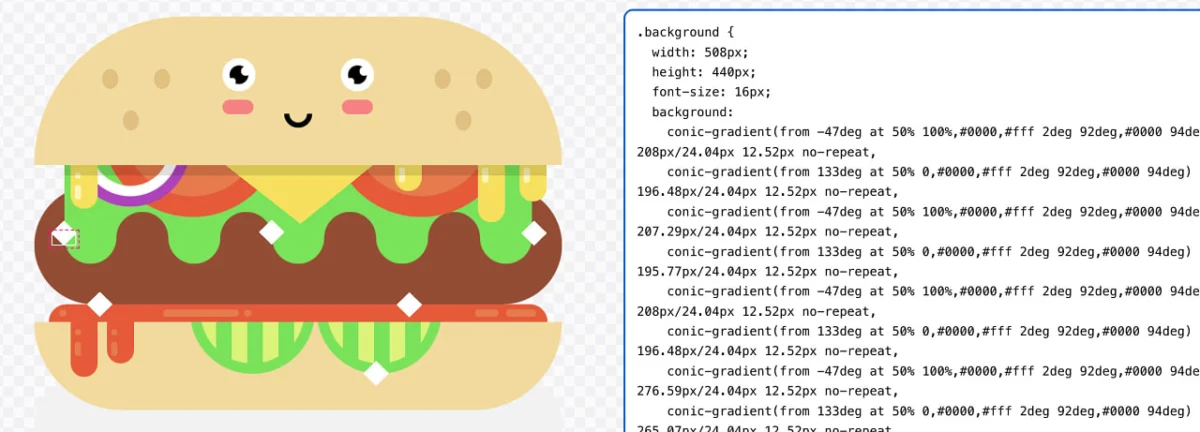
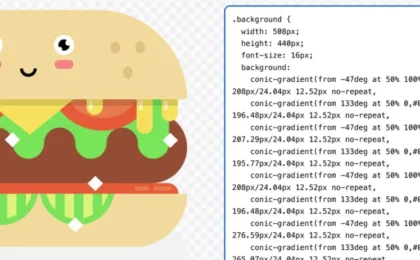
Finally, developers working with complex visual layouts can now take advantage of new diagnostic tools. Ahmad Shadeed has introduced the Gradient Visualizer, an interactive utility designed to help debug multi-layer CSS backgrounds. By pasting a complex background property value containing multiple gradients, developers can isolate individual layers, view the stack in a three-dimensional perspective, replay rendering steps as a timelapse, make edits in real time, and instantly copy the updated CSS code back into their projects.







No comments yet. Be the first to join the conversation!