

The latest developments in the web ecosystem bring a wave of performance insights, browser capabilities, and major framework updates. From comprehensive real-user performance data to native image compression formats and powerful toolchain overloads, the frontend landscape continues to evolve rapidly. Industry shifts are highlighting a renewed focus on native platform capabilities, enhanced developer toolings, and smarter optimization strategies across the board.
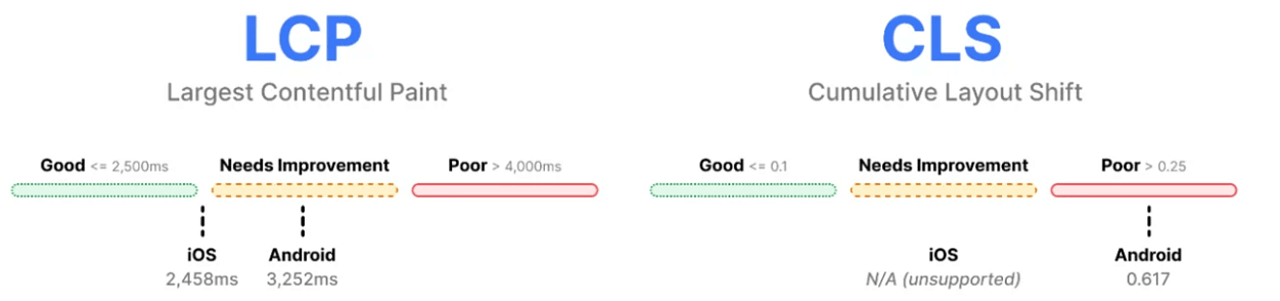
Cloudflare has released a significant new dataset via BigQuery that sheds light on actual website performance across billions of real-user measurements. Authored by Townsend and Jansma, the initiative delivers anonymized real user Core Web Vitals collected from 10,000 large, Cloudflare-fronted websites. Crucially, the dataset is updated daily and broadens visibility by covering Safari and WebKit alongside Chrome. Initial findings from the data challenge some common assumptions about web performance, notably revealing that file downloads are frequently the smallest component contributing to a slow Largest Contentful Paint (LCP). This expansive dataset aims to provide developers and researchers with unprecedented granularity regarding how real people experience the modern web under varying network conditions and hardware configurations.

Simultaneously, browser support for advanced graphic formats continues to march forward. Google has officially announced the rollout of JPEG XL in Chrome 155. Released to the public, the update introduces native support for .jxl images, offering developers a powerful new tool for media optimization. According to Chrome for developers Versari, Firsching, and Jängenstedt, the format can deliver between thirty and fifty percent better compression than standard JPEG while simultaneously supporting High Dynamic Range (HDR) imagery and a range of other advanced visual features. This release represents a major step forward for web graphics, promising faster load times and higher visual fidelity without increasing bandwidth consumption. For developers looking to catch up on recent browser evolutions, additional resources such as Matthias Rohmer’s comprehensive breakdowns of DevTools changes across Chrome versions 151 through 153 provide a deeper look into the continuous engineering improvements happening beneath the hood of the browser.
Amidst these technical milestones, the community-driven insights cycle has also kicked off with the opening of the State of HTML 2026 Survey. Run by Devographics, the annual questionnaire surveys how developers are actively utilizing HTML, form controls, web components, and modern browser APIs. Because major browser vendors actively rely on these aggregated results to shape and prioritize their upcoming roadmaps, participating in the survey offers developers a direct line to influence which web standards and platform features receive engineering focus in the future.
In the realm of articles, opinions, and technical tutorials, developers are increasingly debating the merits of leaning into the browser platform rather than relying on heavy abstractions. Nolan Lawson, a prominent web platform advocate, published a thoughtful exploration into why developers frequently bypass native platform features to rebuild existing capabilities using custom JavaScript and CSS. This perennial discussion mirrors broader concerns about bundle sizes, maintenance overhead, and browser interoperability.
Furthering the discussion on native CSS capabilities, Matt Smith took a detailed look at CSS Anchor Positioning, focusing on properties like anchor-name and position-anchor. The feature allows developers to build robust tooltips and dropdown menus that gracefully maintain their spatial relationships and positioning even through dynamic window resizes and page scrolls. Complementing this, Patrick Brosset explored the historical underuse of the native title attribute for tooltips while highlighting the Edge team’s ongoing proposals for a fully stylable ::tooltip pseudo-class, signaling a potential future where developers no longer need complex JavaScript libraries simply to display contextual hover text.

Styling architectures are also seeing foundational shifts. Natalie Weizenbaum announced that Dart Sass 2.0 is slated for release in December. While Sass may not occupy the undisputed default position it once held in every tech stack, the project remains heavily maintained. The upcoming 2.0 release marks a significant milestone by elevating most of the deprecation warnings accumulated throughout the 1.x lifecycle into hard errors, pushing codebases toward cleaner, more modern syntax.
Tooling updates are matching this pace with major performance and architectural overhauls. The team behind Panda CSS has launched Panda CSS 2.0, a major release of the popular CSS-in-JS library. While maintaining the familiar css() API developers rely on, version 2.0 features a completely rebuilt Rust compiler designed to drastically accelerate build times. Additional enhancements include native support for publishable design systems, streamlined view-transition styling, a dedicated ESLint plugin, and a fresh typography preset designed to speed up project scaffolding.
Video tooling is undergoing an even more dramatic consolidation. Steve Heffernan announced Video.js 10, a ground-up rebuild representing a merger of expertise from the teams behind Plyr, Vidstack, Media Chrome, and Mux Player. Sixteen years after the project first helped transition digital video away from Flash, the newly unified player delivers modern React and web components support, a bundle size reduction of roughly sixty percent, and deeply customizable skins that give developers complete creative control over their media players.
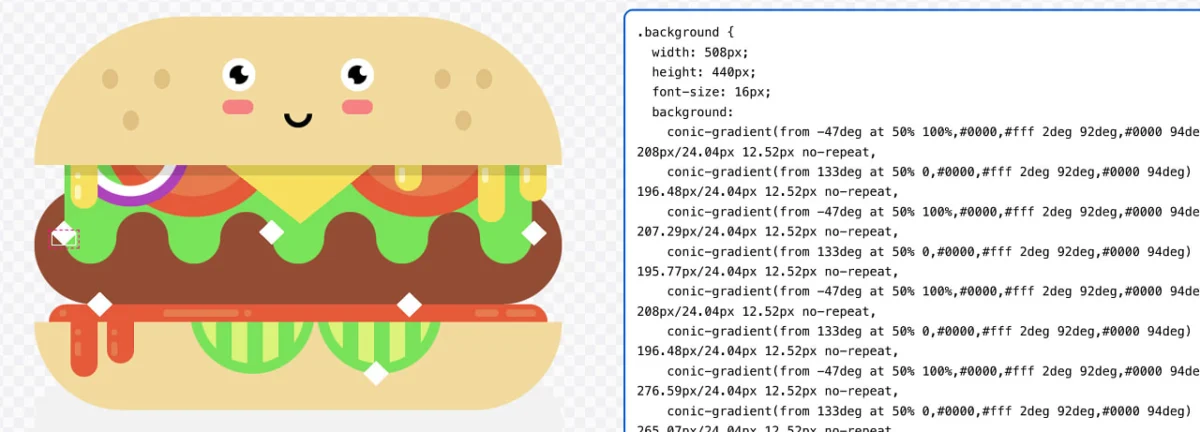
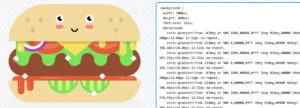
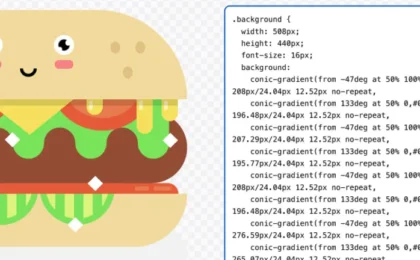
For specialists working closely with complex styling and visual effects, new diagnostic resources are also emerging to simplify tedious debugging workflows. Ahmad Shadeed has released the Gradient Visualizer, a specialized tool designed to help developers debug multi-layered CSS backgrounds. By pasting a complex background property value composed of multiple gradients, the utility isolates individual layers, renders the stack in three dimensions, allows developers to replay the rendering process as a timelapse, and provides a streamlined interface for editing and extracting clean CSS code.








No comments yet. Be the first to join the conversation!