

The landscape of modern web development continues to shift rapidly, marked by significant browser engine updates, sweeping changes to core styling libraries, and massive new datasets designed to help developers better understand real-world web performance. From the native integration of advanced image formats and layout positioning APIs to a rebuilt video ecosystem and performance analytics drawn from billions of user interactions, engineers are navigating a period of profound technical evolution across both the browser environment and the development toolchain.
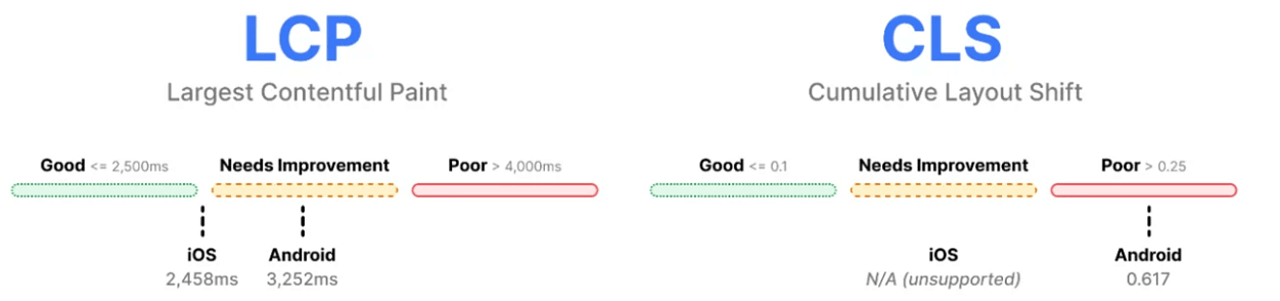
Cloudflare has released a major new resource for performance engineers with the launch of a free BigQuery dataset tracking anonymized real-world Core Web Vitals across 10,000 large web properties. Maintained by Townsend and Jansma, the dataset updates daily and notably includes coverage of Safari and WebKit alongside Google Chrome, offering a more complete picture of actual user experiences across heterogeneous browser environments. Initial findings from the data highlight unexpected insights into page load mechanics, demonstrating that download sizes frequently constitute the smallest contributor to a slow Largest Contentful Paint. By examining billions of user measurements, teams can now query performance trends with a granularity previously unavailable through standard public repositories.

Browsers themselves are also evolving to support leaner, more advanced web standards. Google has officially released Chrome 155, introducing native support for JPEG XL images. Authored by Versari, Firsching, and Jängenstedt for the Chrome for Developers team, the integration brings a powerful new image format (.jxl) to the mainstream web. JPEG XL offers developers and content creators up to thirty to fifty percent better compression efficiency compared to legacy JPEG images, alongside robust High Dynamic Range support and advanced color fidelity features. For developers seeking to catch up on the rapid cadence of recent browser features, a comprehensive video breakdown by Matthias Rohmer covers pivotal DevTools modifications introduced across Chrome versions 151 through 153.
To help shape the trajectory of these upcoming browser capabilities, the annual Devographics State of HTML 2026 survey has officially opened its doors. The survey invites developers globally to share insights into how they build modern web applications, utilizing everything from native HTML forms and web components to advanced browser APIs. Because browser vendors heavily consult these demographic insights to prioritize their development roadmaps, the community feedback collected over the ten to fifteen-minute survey directly influences which features and specifications receive engineering focus for future browser releases.
While browser vendors expand native platform capabilities, developers continue to debate the balance between utilizing native browser features and relying on abstraction layers. Nolan Lawson, a vocal advocate for the web platform, recently examined a persistent industry trend in an essay exploring why developers frequently bypass built-in platform features to rebuild complex behaviors in JavaScript and CSS. Lawson investigates the underlying psychological and architectural reasons teams default to custom abstractions rather than leveraging native browser primitives.
This tension between custom solutions and native platform tools is similarly evident in how developers handle everyday UI challenges like floating overlays and tooltips. Matt Smith recently detailed the practical applications of CSS Anchor Positioning, focusing on properties such as anchor-name and position-anchor. These native specifications allow developers to construct sophisticated tooltips and dropdown menus that maintain precise alignment and positioning even through complex window resizes and page scrolls, largely eliminating the need for heavy JavaScript positioning libraries. Complementing these native advances, Patrick Brosset from the Microsoft Edge team explored the historical underutilization of the native title attribute and highlighted ongoing proposals for a fully stylable ::tooltip pseudo-element, which could eventually bridge the gap between simple native tooltips and fully customized design requirements.

Tooling ecosystems are simultaneously undergoing foundational restructuring. Natalie Weizenbaum has announced the anticipated path toward Dart Sass 2.0, slated for release in December. As the Sass styling language continues to adapt to modern design requirements, the upcoming major version will transition the majority of deprecation warnings accumulated throughout the 1.x lifecycle into hard errors, encouraging codebases to clean up legacy syntax and adopt modern language standards.
Styling architectures are seeing performance-focused overhauls as well. The maintainers behind Panda CSS have launched Panda CSS version 2.0, a major update to the popular CSS-in-JS library. While retaining the familiar css() function application programming interface, the library has been completely re-engineered under the hood with a compiler rebuilt from the ground up in Rust. This architectural rewrite yields dramatic performance improvements during builds. In addition to raw compilation speed, version 2.0 introduces publishable design systems, native view-transition styling support, an integrated ESLint plugin, and an updated typography preset designed to streamline styling workflows for large-scale applications.
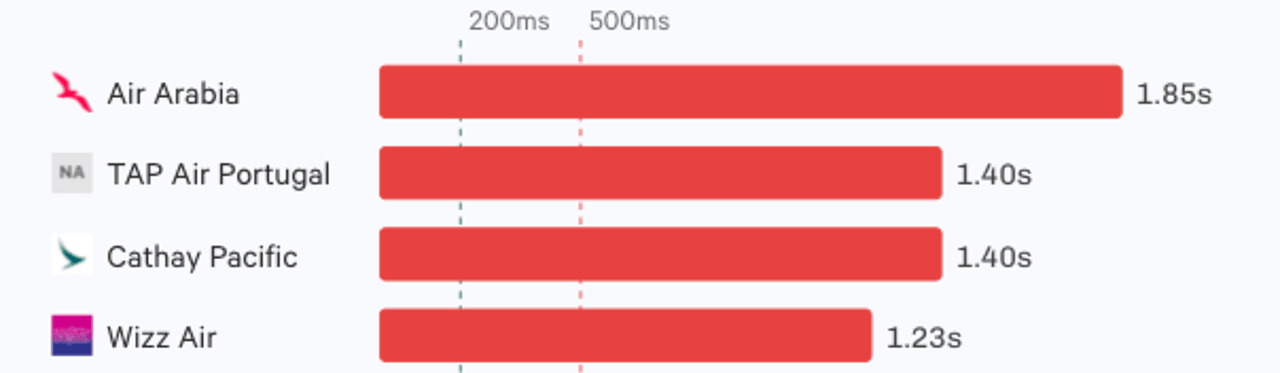
In the media streaming sector, one of the web’s longest-standing video libraries has received a complete architectural overhaul. Steve Heffernan announced the release of Video.js 10, developed sixteen years after the library first helped transition the web away from Adobe Flash. The latest major iteration represents a total rebuild from scratch, unifying the engineering efforts behind several prominent media projects, including Plyr, Vidstack, Media Chrome, and Mux Player. The unified player provides modern React support alongside lightweight web components, a sixty percent reduction in overall bundle size, and flexible, developer-friendly styling skins.
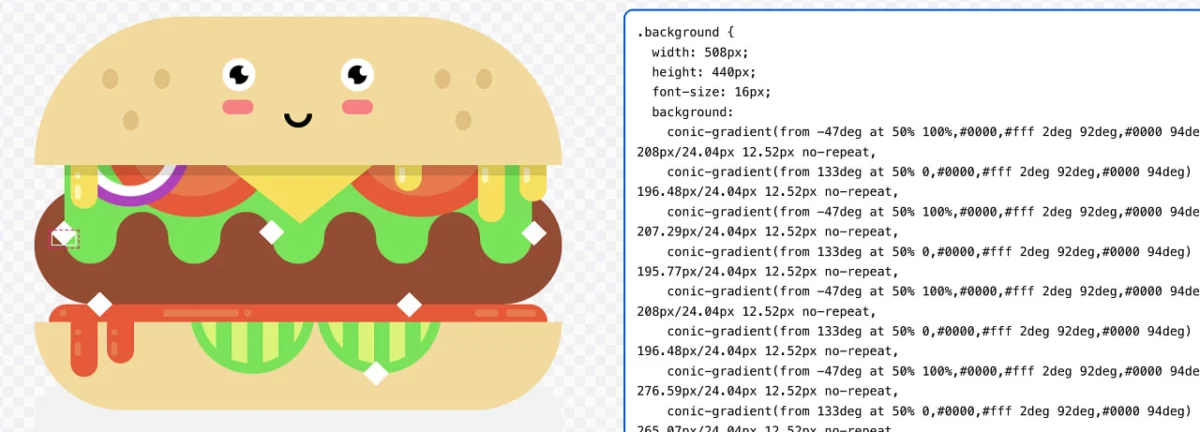
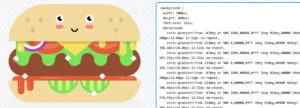
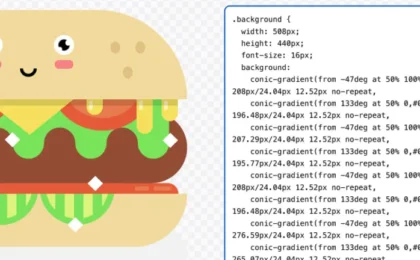
For developers working extensively with complex CSS layouts and styling aesthetics, Ahmad Shadeed has released a specialized diagnostic utility known as the Gradient Visualizer. Designed to untangle complex multi-layer CSS backgrounds, the tool ingests raw background values composed of multiple gradients, dissects them into isolated layers, displays the stacking order in a three-dimensional visual workspace, and allows developers to replay, modify, and export clean, production-ready code.








No comments yet. Be the first to join the conversation!