

The modern web platform continues to evolve at a rapid pace, bringing significant updates across browser capabilities, developer tooling, core performance metrics, and community standards. Recent developments highlight a collective push toward better compression standards, faster compilers, platform-native CSS features, and massive architectural overhauls of legacy web components. From major browser releases to comprehensive real-user performance data, engineers and browser vendors are actively shaping the future of web development.
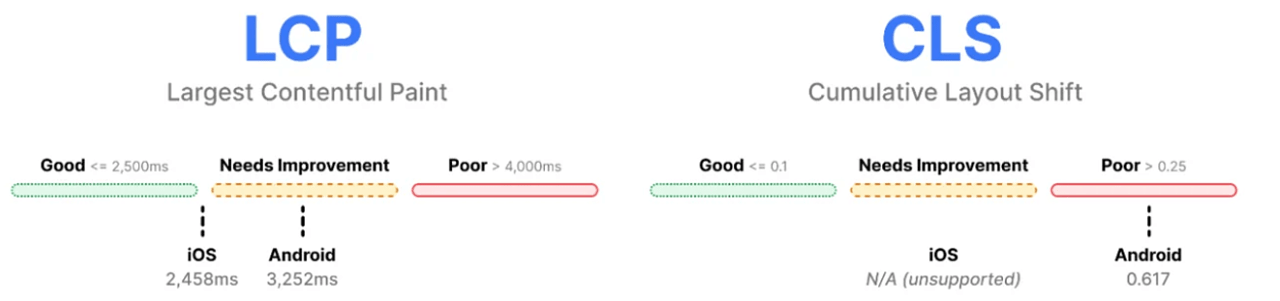
One of the most notable data releases for performance optimization comes from Cloudflare researchers Townsend and Jansma, who have introduced a new, free BigQuery dataset tracking anonymized real-user Core Web Vitals. Covering 10,000 large Cloudflare-fronted sites and updated daily, this expansive dataset breaks new ground by including Safari and WebKit traffic alongside the traditionally dominant Chrome metrics. Initial findings from the data offer fresh insight into user experience anomalies, revealing that asset downloads are frequently the smallest contributor to a slow Largest Contentful Paint (LCP), prompting developers to rethink how they diagnose and optimize frontend performance bottlenecks.

In browser support news, Google has officially rolled out Chrome 155, highlighted by the long-awaited native shipping of JPEG XL image support. Led by contributors Versari, Firsching, and Jängenstedt, this release allows web developers to utilize .jxl images directly within the browser, offering between 30% and 50% better compression ratios than standard JPEG files alongside robust high dynamic range (HDR) support. For developers looking to catch up on recent tooling changes, companion video resources detailing DevTools updates across Chrome versions 151 through 153 provide a comprehensive look at the platform’s ongoing diagnostic improvements.
Parallel to these technical rollouts, the annual Devographics initiative has officially opened the State of HTML 2026 survey. Inviting developers worldwide to spend ten to fifteen minutes sharing insights on how they utilize HTML, forms, web components, and emerging browser APIs, the survey serves as a vital compass for the industry. Browser vendors heavily rely on these aggregated results to prioritize their development roadmaps, making community participation a direct influence on what native features ultimately ship in future browser iterations.
The ongoing conversation surrounding platform capabilities has also sparked renewed debates regarding developer habits. Well-known web platform advocate Nolan Lawson published a thoughtful examination into why many developers frequently bypass native browser features to rebuild established paradigms using third-party JavaScript and CSS frameworks. Lawson explores the psychological and architectural friction points that prevent wider adoption of "the platform," encouraging developers to leverage native browser primitives whenever feasible.
Complementing this platform-first mindset, CSS architecture continues to expand its native capabilities. Matt Smith recently detailed the practical applications of CSS Anchor Positioning, focusing on properties like anchor-name and position-anchor. These native specifications allow developers to construct robust tooltips and dropdown menus that gracefully maintain their positioning through complex window resizes and page scrolls without requiring heavy JavaScript computation. Meanwhile, Patrick Brosset of the Edge team has explored the historical underuse of native title tooltips while floating proposed specifications for a natively stylable ::tooltip pseudo-element.

In the realm of preprocessors, Natalie Weizenbaum announced the upcoming release of Dart Sass 2.0, slated for December. While Sass may not hold the absolute default status it once maintained across every modern stack, the project continues to modernize. Dart Sass 2.0 will officially convert the majority of existing 1.0 deprecation warnings into hard errors, encouraging codebases to clean up legacy patterns ahead of the transition.
Tooling updates have similarly brought performance-focused overhauls to popular CSS-in-JS ecosystems. Adebayo, Adebesin, and Adebayo rolled out Panda CSS 2.0, a major revision of the popular library that maintains the familiar css() API while migrating its internal compiler to a Rust-based engine for dramatically faster builds. The new release also incorporates publishable design systems, native view-transition styling support, an integrated ESLint plugin, and refreshed typography presets.
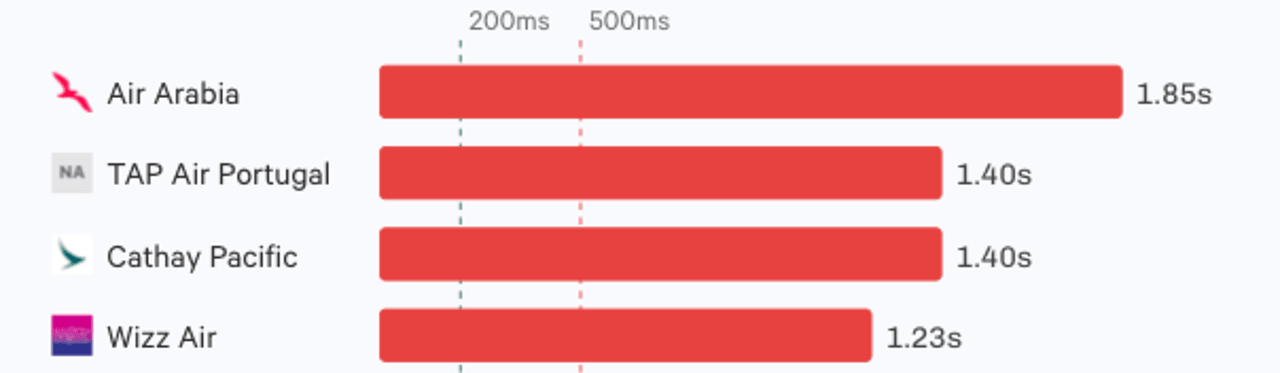
Video infrastructure has undergone a historic consolidation with the release of Video.js 10. Announced by Steve Heffernan sixteen years after the library first helped the web transition away from Flash, Video.js has been completely rebuilt from the ground up by uniting teams behind Plyr, Vidstack, Media Chrome, and Mux Player. The unified player introduces native React and web component support, a massive 60% reduction in bundle size, and deeply customizable skins.
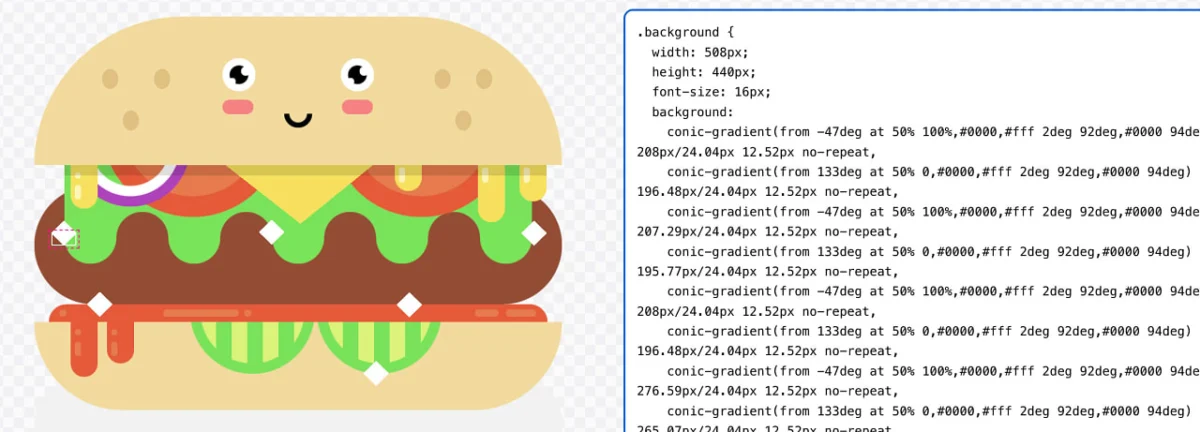
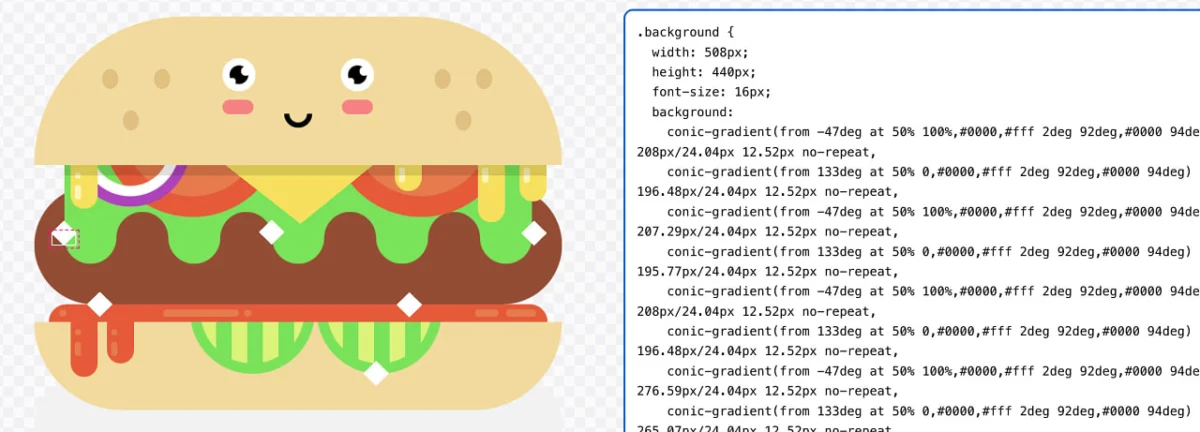
Finally, design and debugging tools continue to push creative boundaries, as demonstrated by Ahmad Shadeed’s new Gradient Visualizer. Designed to tackle complex multi-layer CSS backgrounds, the utility allows developers to paste a composite background property and inspect individual layers in isolation, view the complete stack in a three-dimensional space, replay rendering sequences like a timelapse, and live-edit the values to generate clean, optimized production code.








No comments yet. Be the first to join the conversation!