

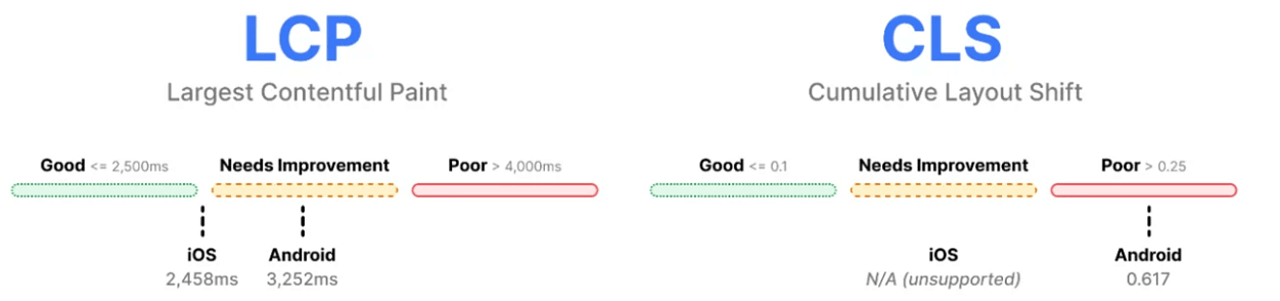
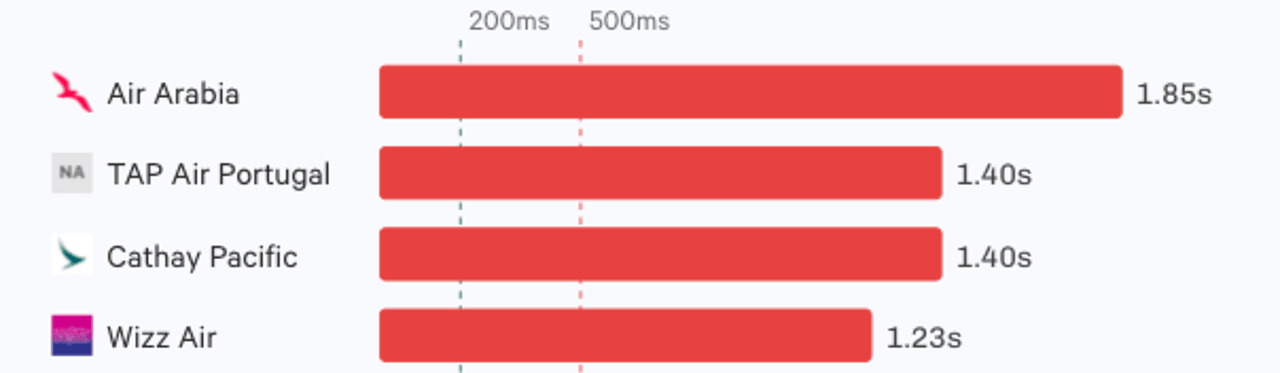
Recent developments in web performance measurement have taken a massive step forward with the release of a new, free BigQuery dataset from Cloudflare. Authored by Townsend and Jansma, the project compiles billions of real-user measurements across ten thousand large Cloudflare-fronted sites. Updated on a daily basis, this dataset offers a comprehensive look at Core Web Vitals and provides a distinct advantage by covering Safari and WebKit traffic alongside traditional Chrome measurements. Initial findings from the data have already challenged conventional wisdom regarding page performance, revealing that asset downloads are typically the smallest contributor to a slow Largest Contentful Paint (LCP). This granular visibility into real-world user metrics empowers developers and performance analysts to diagnose bottlenecks with unprecedented accuracy, moving past synthetic testing limitations into the reality of daily browsing behavior.

Browser capabilities are also expanding natively, most notably with the official rollout of JPEG XL support in Chrome. Detailed by Versari, Firsching, and Jängenstedt, Chrome 155 introduces native support for .jxl images. This next-generation image format offers thirty to fifty percent better compression than standard JPEG files while introducing support for high dynamic range (HDR) imaging and other advanced visual features. As web performance heavily relies on efficient asset delivery, the inclusion of JPEG XL in a major browser marks a crucial milestone in reducing page weight without compromising visual fidelity. Developers seeking to catch up on recent browser tooling can also look to companion resources, such as Matthias Rohmer’s comprehensive video review covering DevTools enhancements across Chrome versions 151 through 153.
To help guide the future trajectory of these platform capabilities, the Devographics team has officially opened the State of HTML 2026 survey. This annual undertaking measures how developers utilize HTML, native forms, web components, and emerging browser APIs. Because browser vendors heavily rely on these aggregated insights to prioritize their development roadmaps, the ten to fifteen minutes required to complete the survey directly influences which features and standards ultimately ship to production browsers in the near future.
Beyond platform fundamentals, the discourse surrounding web architecture continues to mature, particularly concerning the adoption of native browser features versus custom JavaScript and CSS abstractions. Nolan Lawson, a prominent advocate for the web platform, recently published a thoughtful critique exploring why many developers still hesitate to "use the platform." Lawson examines the psychological and architectural drivers that lead engineering teams to rebuild capabilities that modern browsers already provide natively through CSS and JavaScript APIs. This ongoing dialogue parallels practical advancements in CSS layout and positioning, such as Matt Smith’s exploration of CSS Anchor Positioning. By leveraging properties like anchor-name and position-anchor, developers can now construct native tooltips and dropdown menus that maintain their precise positioning even when windows are resized or pages are scrolled. Complementing these layout techniques, Patrick Brosset of the Edge team has re-examined the underutilized native title attribute tooltips while raising awareness around proposed stylable ::tooltip implementations that could soon bridge the gap between native convenience and design customization.
The stylesheet ecosystem is also undergoing foundational shifts, with Natalie Weizenbaum announcing the imminent arrival of Dart Sass 2.0, slated for release in December. While Sass may no longer occupy the absolute monopoly on styling it once held, the project maintains active momentum. The upcoming 2.0 release will transition the majority of deprecation warnings accumulated throughout the 1.x generation into hard errors, encouraging codebases to modernize their syntax and adopt contemporary Sass standards.

Tooling updates are equally transformative on the compilation and framework fronts. The Panda CSS team, led by Adebayo, Adebesin, and Adebayo, has launched Panda CSS 2.0. This major release of the popular CSS-in-JS library preserves the familiar css() API while completely rewriting the underlying compiler in Rust to achieve dramatic performance gains. Version 2.0 introduces several powerful additions, including support for publishable design systems, advanced view-transition styling, a dedicated ESLint plugin, and a refreshed typography preset that streamlines enterprise-grade UI development.
Video infrastructure on the web has achieved a historic consolidation with the release of Video.js 10, orchestrated by Steve Heffernan. Sixteen years after the library first helped transition the web away from Adobe Flash, Video.js has been completely rebuilt from scratch by uniting the core engineering teams behind several prominent video projects, including Plyr, Vidstack, Media Chrome, and Mux Player. The unified architecture delivers modern React and web component support, a bundle size reduction of sixty percent, and completely decoupled skins that allow teams to tailor video players to their exact design requirements without bloat.
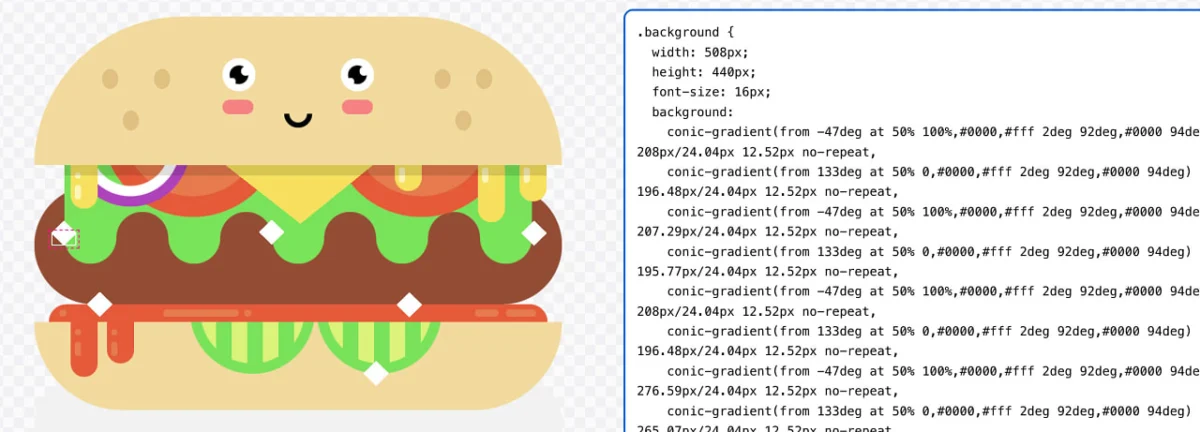
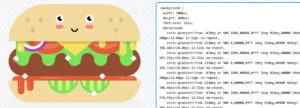
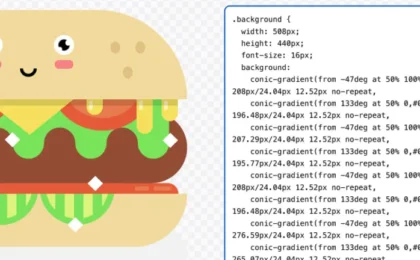
For developers wrestling with complex visual effects, Ahmad Shadeed has introduced the Gradient Visualizer, a specialized debugging tool designed to untangle multi-layer CSS gradients. By simply pasting a complex background property value consisting of stacked gradients, the utility isolates individual layers for independent inspection, renders the stack in a three-dimensional perspective, replays layer assembly as a timelapse, and provides an interactive editing environment to export optimized CSS code.











No comments yet. Be the first to join the conversation!