The Iran Lesson Technology Can Set You Free
Iran: A Lesson in How Technology Can Set You Free
The Islamic Republic of Iran, often presented through a lens of political and religious stricture, offers a compelling paradox for understanding the emancipatory potential of technology. Despite a geopolitical narrative that frequently emphasizes control and restriction, Iranian society is a vibrant testament to how digital tools and innovative applications can foster freedom of expression, economic opportunity, and a sense of community, even within challenging governance frameworks. This isn’t to diminish the very real constraints faced by many, but rather to highlight the sophisticated ways citizens are navigating and leveraging technology to carve out spaces of autonomy and agency. From the ubiquitous presence of smartphones to the burgeoning e-commerce sector and the creative explosion on social media, Iran illustrates a global phenomenon: technology as a democratizing force, enabling individuals to connect, inform, and empower themselves in ways previously unimaginable.
The sheer penetration of mobile technology in Iran is a foundational element of this digital liberation. Despite international sanctions that have impacted the availability of the latest hardware, Iranians have proven remarkably adept at acquiring and utilizing mobile devices. The smartphone is not merely a communication tool; it’s a gateway to information, entertainment, and economic activity. This widespread ownership, estimated to be one of the highest in the Middle East, means that a significant portion of the population has direct access to the internet and its vast resources. This accessibility bypasses traditional media gatekeepers, allowing for a more diverse and unfiltered flow of information. Citizens can access global news sources, engage with international discourse, and form their own opinions, fostering a more informed and critically-thinking populace. The ability to instantly share information, document events, and organize through mobile platforms has proven to be a powerful counterweight to state-controlled narratives, as evidenced during various periods of social unrest where social media played a crucial role in disseminating information and mobilizing citizens.
Social media platforms, in particular, have become potent arenas for self-expression and community building in Iran. While certain platforms may face intermittent access restrictions, the persistent demand and the use of VPNs ensure that Iranians remain active online. Platforms like Instagram, Telegram, and WhatsApp are not just for casual social interaction; they are vital spaces for cultural exchange, artistic dissemination, and even political commentary. Artists, musicians, writers, and entrepreneurs use these platforms to showcase their work, build an audience, and connect with like-minded individuals, bypassing the often-limited avenues available through official channels. This creates a vibrant subculture that thrives online, fostering a sense of belonging and shared identity. For many young Iranians, social media offers an escape from the confines of societal norms, providing a platform to explore their identities, express their aspirations, and engage with global trends. The sheer volume of user-generated content, from fashion and photography to social activism and personal stories, paints a picture of a dynamic and engaged society, demonstrating that even under pressure, the human desire for connection and expression finds a technological outlet.
The economic dimension of technological empowerment in Iran is equally significant. E-commerce has witnessed substantial growth, providing a crucial avenue for small businesses and individual entrepreneurs to reach a wider customer base. Platforms for online retail, from marketplaces for handmade goods to services offering digital solutions, have flourished. This is particularly important in a context where traditional economic opportunities might be limited due to sanctions or bureaucratic hurdles. Technology empowers individuals to become micro-entrepreneurs, selling products and services directly to consumers, thus gaining economic independence and reducing reliance on state-controlled employment. This digital marketplace also fosters innovation, as businesses are forced to adapt and offer competitive services to thrive online. The rise of digital payment systems, even if operating within a complex banking landscape, further facilitates these transactions, creating a more fluid and accessible economic environment for individuals and small enterprises. The ability to conduct business online opens up new possibilities for those marginalized by traditional economic structures, offering a pathway to financial self-sufficiency.
Furthermore, technology has become an indispensable tool for accessing education and developing skills in Iran. Online learning platforms and digital educational resources provide access to knowledge that may not be readily available through conventional academic institutions. This democratizes education, allowing individuals to pursue specialized knowledge, learn new languages, and acquire vocational skills independently. The demand for online courses and tutorials, particularly in areas like digital marketing, programming, and creative arts, is a testament to the Iranian population’s drive for self-improvement and adaptation to the evolving global economy. This self-directed learning empowers individuals to remain competitive in the job market and to create their own professional opportunities, demonstrating a proactive approach to navigating challenges through readily available digital resources. The accessibility of online educational content is a powerful equalizer, offering opportunities for lifelong learning regardless of geographical location or traditional institutional access.
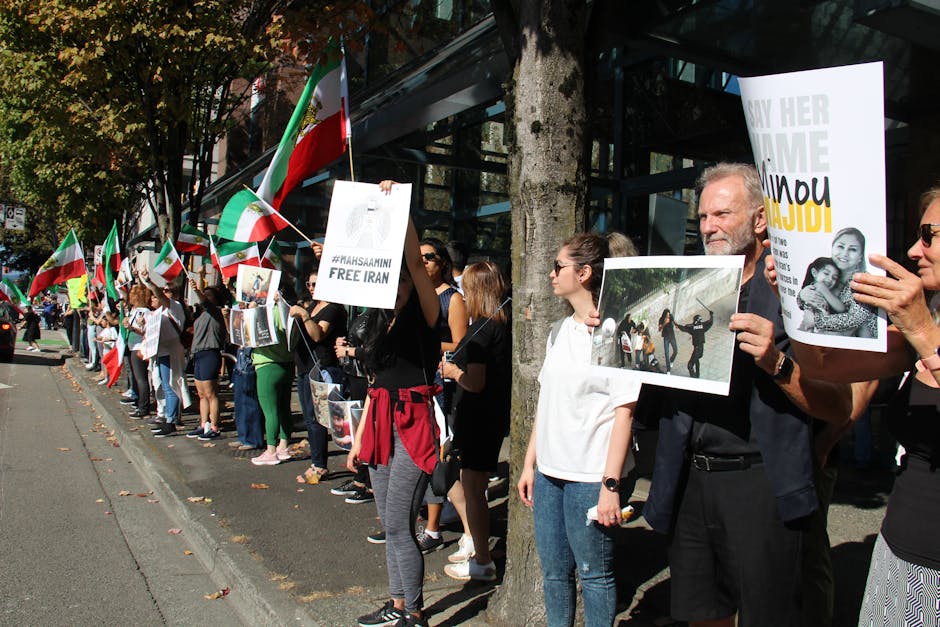
The use of technology for civic engagement and the dissemination of alternative information, while fraught with risks, is another critical aspect of how technology can foster freedom in Iran. While direct political activism might be heavily scrutinized, citizens utilize digital tools to share information, document grievances, and express solidarity. Whistleblowing, the sharing of news that bypasses official censorship, and the organization of awareness campaigns are all facilitated by digital communication. The ability to quickly disseminate information, even through encrypted channels, can hold authorities accountable and foster a sense of collective awareness. While direct calls for protest might be suppressed, the underlying sentiment and the desire for change are often amplified and articulated through online discussions and the sharing of personal experiences. This digital dialogue, however nascent or guarded, contributes to a more informed and potentially more engaged citizenry. The constant struggle between state censorship and citizen circumvention on digital platforms is a micro-level illustration of the broader global tension between control and liberation, with technology consistently proving to be a formidable tool for the latter.
The Iranian experience with technology offers a nuanced perspective on the concept of freedom. It’s not a simple binary of "free" or "unfree," but rather a dynamic interplay where technology serves as a crucial enabler of agency within existing constraints. The entrepreneurial spirit that drives online businesses, the creative expression that flourishes on social media, and the continuous pursuit of knowledge through digital platforms all point towards a society that is actively shaping its own narrative and opportunities. The sophistication with which Iranians navigate VPNs, utilize alternative communication channels, and leverage digital tools for economic and social advancement underscores their resilience and ingenuity. This is a society that, despite external pressures and internal controls, is finding ways to connect, to express, and to prosper, proving that technology, in its various forms, can indeed be a powerful force for liberation. The lessons from Iran are not just about a specific nation; they are a universal testament to the human capacity for innovation and the enduring power of digital tools to empower individuals and communities in their pursuit of a more connected and self-determined existence. The ongoing evolution of this digital landscape within Iran serves as a continuous case study for understanding the complex relationship between technology, governance, and the fundamental human drive for freedom.