Htc Incredible The Name Says It All
The HTC Incredible: A Name Forged in Innovation and Performance
The HTC Incredible, a name that resonated deeply with smartphone enthusiasts, wasn’t just another device entering a crowded market; it was a statement. Launched during a pivotal era of mobile evolution, it embodied HTC’s commitment to delivering a premium user experience, blending cutting-edge hardware with intuitive software. At its core, the Incredible was a testament to the burgeoning power of Android, coupled with HTC’s signature Sense UI, which offered a distinct and often superior alternative to stock Android. This combination fostered a loyal following and cemented the Incredible’s place as a landmark device in the history of smartphones. The moniker "Incredible" was not an exaggeration but a carefully chosen descriptor reflecting the device’s ambition and its ability to deliver on that promise for many users. It was a device that aimed to impress, to stand out, and to provide a seamless and powerful mobile computing experience, pushing the boundaries of what a handheld device could achieve at the time.
The initial allure of the HTC Incredible stemmed from its impressive specifications for its era. Powered by a Qualcomm Snapdragon QSD8650 processor clocked at 1 GHz, it provided a significant leap in processing power compared to many of its contemporaries. This meant snappier app performance, smoother multitasking, and a more fluid user interface. The device came equipped with 512 MB of RAM, which, while seemingly meager by today’s standards, was more than adequate for the applications and operating system it ran, ensuring a responsive and lag-free experience. The display was a 3.7-inch AMOLED capacitive touchscreen, boasting a resolution of 480 x 800 pixels. This AMOLED technology was a significant draw, offering vibrant colors, deep blacks, and excellent contrast, making media consumption and general use a visually engaging experience. The display was also responsive to touch, contributing to the overall user-friendliness of the device. The camera was another highlight, featuring an 8-megapixel rear sensor with autofocus and a dual-LED flash. This allowed for the capture of detailed still images and decent video recording, catering to the growing trend of using smartphones as primary cameras. The inclusion of features like geo-tagging and image stabilization further enhanced its photographic capabilities, making it a competent tool for capturing everyday moments.
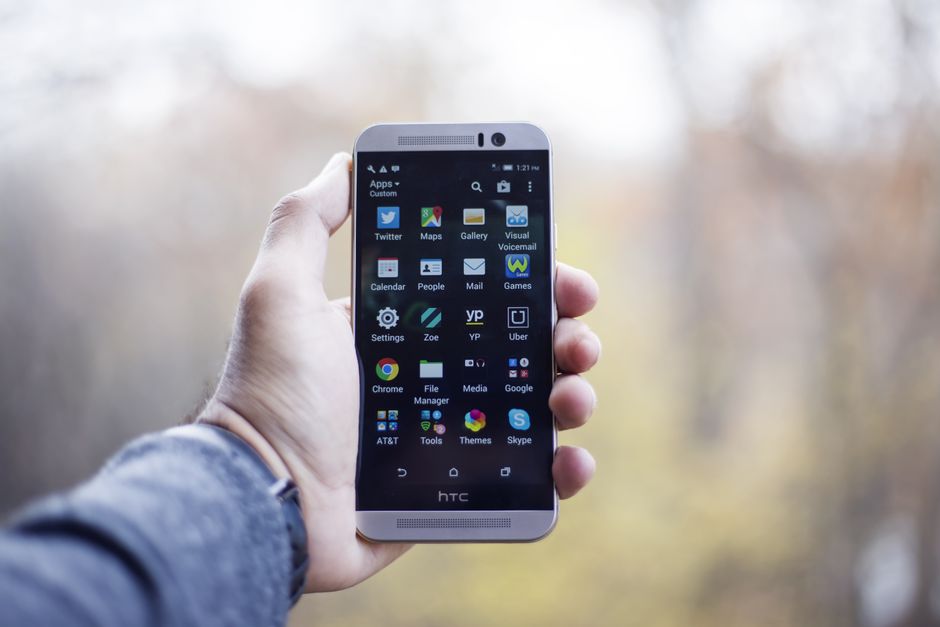
Beyond raw specifications, the HTC Incredible’s true magic lay in the HTC Sense UI. This custom interface layer, built atop the Android operating system, transformed the user experience into something more refined and visually appealing. Sense UI introduced a host of features that were highly praised, including a dynamic weather widget, customizable home screens with different "scenes" (e.g., work, play), and an integrated application for managing phone contacts with social media updates. The "Friend Stream" widget was particularly innovative, aggregating updates from various social networks into a single, easy-to-digest stream. The overall aesthetic of Sense UI was clean, modern, and highly customizable, allowing users to personalize their device to an extent that stock Android often lacked. This attention to detail in the software contributed significantly to the "Incredible" experience, making the phone not just a tool, but a personalized digital companion. The navigation within Sense UI was generally intuitive, with well-placed icons and clear menu structures. HTC’s commitment to refining the Android experience through Sense UI set it apart from competitors who often opted for a more minimalist approach, proving that a well-executed custom skin could be a major selling point.
Storage was addressed through a combination of internal memory and expandable storage. The HTC Incredible typically came with 512 MB of internal storage, which could be augmented with microSD cards, supporting up to 32 GB. This flexibility was crucial for users who wanted to store a considerable amount of music, photos, and applications on their devices. Connectivity was robust for its time, featuring Wi-Fi 802.11 b/g/n, Bluetooth 2.1 with A2DP, and GPS with A-GPS support. The inclusion of Wi-Fi n provided faster wireless internet speeds, and the robust GPS capabilities made it a reliable device for navigation. For cellular connectivity, it supported HSDPA networks, enabling faster data speeds for browsing and streaming. The battery life, a perennial concern for smartphones, was provided by a 1300 mAh Li-Ion battery. While not exceptional by modern standards, it offered a reasonable day’s use for many users, especially when taking into account the power-efficient AMOLED display and the optimization efforts HTC put into Sense UI.
The design of the HTC Incredible was also noteworthy. It featured a distinctive and ergonomic form factor, with rounded edges and a matte finish that provided a comfortable grip. The physical buttons, including the trackball (a common navigation input at the time) and dedicated back, home, menu, and search keys, offered tactile feedback that many users preferred. The overall build quality was solid, giving the device a premium feel that justified its price point. The placement of the ports and buttons was logical and easy to access, further contributing to its user-friendly design. The camera module on the back was integrated smoothly, and the overall aesthetic was a balance of functionality and modern design. It wasn’t just about looks; the physical design of the Incredible was engineered to be comfortable and practical for everyday use, reinforcing the "Incredible" experience.
The software experience was further enhanced by the operating system it ran. Depending on the specific model and carrier, the HTC Incredible often shipped with Android 2.1 Éclair or later received updates to Android 2.2 Froyo or even Android 2.3 Gingerbread. These versions of Android brought significant improvements in performance, features, and stability, making the Incredible a capable device for running a wide range of applications. The Android Market (now Google Play Store) offered a growing ecosystem of apps, and the Incredible, with its processing power and RAM, was well-equipped to handle many of them. Features like improved search functionality, live wallpapers, and enhanced widgets were all part of the Android experience that the Incredible provided. The integration of Google services, such as Gmail, Google Maps, and YouTube, was seamless, leveraging the strengths of the Android platform.
The HTC Incredible’s impact on the smartphone market was significant. It helped to solidify Android as a major competitor to iOS, showcasing the potential of an open mobile ecosystem. HTC’s reputation as a manufacturer of high-quality, feature-rich devices was further bolstered by the Incredible’s success. It demonstrated that a well-integrated hardware and software package, coupled with a strong brand presence, could capture consumer attention and loyalty. The device also highlighted the importance of the user interface in differentiating smartphones, as Sense UI became a key selling point. It paved the way for future HTC devices that continued to build upon the principles of innovation and user-centric design. The "Incredible" name became synonymous with a premium Android experience, and the device itself is fondly remembered by many as a pivotal moment in smartphone history, a device that truly lived up to its name by offering an exceptional blend of power, design, and intuitive functionality. The legacy of the HTC Incredible is one of pushing boundaries and setting new standards in the competitive landscape of mobile technology, proving that the name truly was a reflection of the device’s capabilities and its lasting impact.