Category Mobile Phone Repair
Unlock Your Device’s Potential: A Comprehensive Guide to Mobile Phone Repair
Mobile phone repair has become an indispensable service in our increasingly connected world. From cracked screens and malfunctioning batteries to water damage and software glitches, these intricate devices are susceptible to a wide range of issues. Understanding the nuances of mobile phone repair is crucial for consumers seeking to extend the lifespan of their devices, save money, and minimize electronic waste. This article delves into the multifaceted landscape of mobile phone repair, covering common problems, diagnostic procedures, repair techniques, the importance of professional services, and factors to consider when choosing a repair provider.
The most prevalent issue plaguing mobile phone users is undoubtedly the cracked or shattered screen. The ubiquitous nature of smartphones means they are constantly in use, making them vulnerable to accidental drops and impacts. A cracked screen not only diminishes the aesthetic appeal of the device but also compromises its functionality, making touch input erratic or impossible. The repair process for a cracked screen typically involves replacing the entire display assembly, which includes the glass, digitizer (responsible for touch responsiveness), and the LCD or OLED panel. Modern smartphones often feature sophisticated display technologies, and professional technicians possess the specialized tools and knowledge to safely disassemble the device, remove the damaged screen, and install a new, high-quality replacement. This repair is crucial for restoring the device’s usability and preventing further damage to internal components that could be exposed by a shattered screen.
Beyond physical damage, battery degradation is another common concern. Mobile phone batteries, typically lithium-ion, have a finite lifespan and gradually lose their capacity to hold a charge over time. This results in reduced screen-on time, frequent shutdowns, and a general decline in device performance. Battery replacement is a relatively straightforward repair in many cases. However, the complexity can vary significantly depending on the phone’s design. Some manufacturers make battery replacement user-friendly, while others seal batteries in place, requiring careful disassembly and specialized tools to avoid damaging other components. Professional repair services can accurately diagnose battery health, source reliable replacement batteries, and perform the swap efficiently and safely, restoring the phone’s power longevity.
Water damage presents a more complex and often urgent repair scenario. Accidental submersion in water, spilled beverages, or exposure to high humidity can lead to severe internal corrosion and short circuits. The immediate aftermath of water damage requires prompt action, often involving powering down the device immediately, removing the battery if possible, and drying it thoroughly. However, even after initial drying, corrosive processes can continue internally. Professional water damage repair involves a meticulous process of disassembling the phone, cleaning all internal components with specialized solutions to remove mineral deposits and corrosion, and then meticulously drying the device before reassembly. In some cases, severely damaged components may need to be replaced. While not all water-damaged phones are salvageable, professional intervention significantly increases the chances of recovery.
Charging port issues are another frequent complaint. This can manifest as the phone not charging at all, charging intermittently, or the charging cable feeling loose. The charging port is a physical connection that experiences considerable wear and tear from repeated plugging and unplugging. Over time, the internal pins can become bent, corroded, or dislodged. Repairing a faulty charging port typically involves replacing the entire port assembly, which is usually soldered onto the phone’s logic board. This requires advanced soldering skills and precise handling to avoid damaging the delicate circuitry surrounding the port. A functional charging port is fundamental to a smartphone’s utility, and professional repair ensures this critical component is restored to optimal working condition.
Software glitches, while not physical repairs, are a significant aspect of mobile phone maintenance and can often be resolved through professional assistance. These can range from app crashes and freezing to operating system errors and boot loop issues. While some software problems can be addressed through simple troubleshooting steps like restarting the device or clearing cache, more complex issues may require advanced diagnostics and intervention. This could involve factory resets, flashing firmware, or resolving conflicts between installed applications. Professional technicians are equipped with the knowledge and tools to identify the root cause of software malfunctions and implement the appropriate solutions to restore the device’s stability and performance.
The diagnostic process in mobile phone repair is paramount. Before any repair is undertaken, a thorough assessment of the device’s condition is necessary. Technicians will systematically test all core functionalities: screen responsiveness, touch accuracy, camera performance, audio output, Wi-Fi and cellular connectivity, charging capabilities, and sensor operation. They employ specialized diagnostic software and hardware to pinpoint the exact cause of the malfunction. This meticulous approach prevents unnecessary repairs, ensures the correct parts are ordered, and provides the customer with a clear understanding of the problem and the proposed solution. This diagnostic phase is crucial for transparency and building trust between the repair provider and the customer.
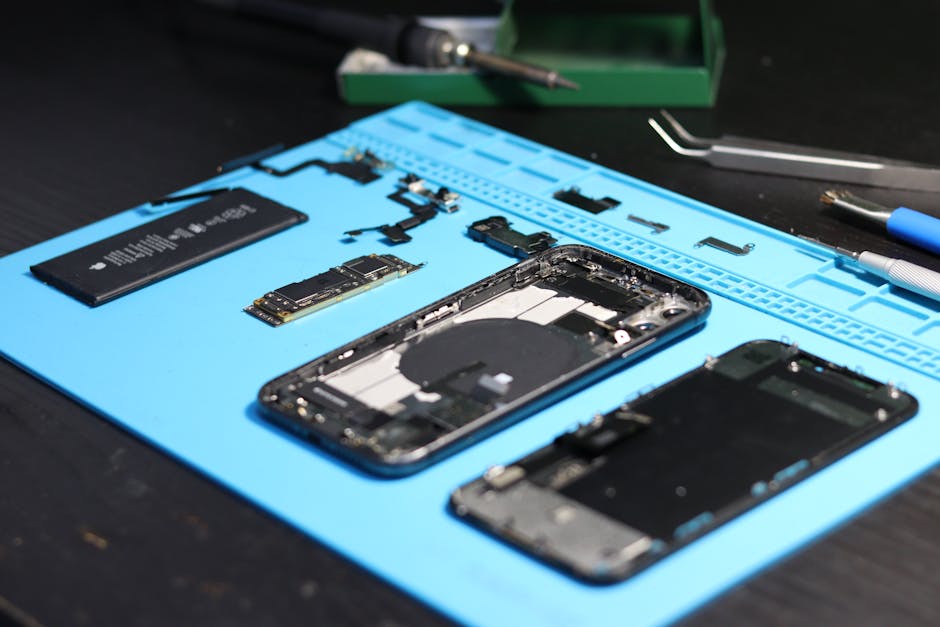
Repair techniques vary significantly based on the type of issue and the phone’s make and model. For screen replacements, technicians use specialized tools such as heat guns or pads to loosen the adhesive holding the screen in place, suction cups to lift the damaged display, and spudgers or plastic prying tools to separate components without causing further damage. Battery replacements might involve removing adhesive strips with isopropyl alcohol or specialized tools to carefully lift the battery. Water damage repairs require ultrasonic cleaners, isopropyl alcohol baths, and compressed air for drying. For logic board-level repairs, such as fixing charging port issues or micro-soldering, skilled technicians utilize microscopes, hot air stations, and specialized soldering irons to work with minute components. The precision and expertise required for these intricate repairs highlight the value of professional services.
The importance of professional mobile phone repair cannot be overstated. Attempting complex repairs without the necessary knowledge, tools, and experience can lead to further damage, voiding warranties, and ultimately costing more in the long run. Professional repair shops utilize high-quality replacement parts, often sourced directly from manufacturers or reputable third-party suppliers, ensuring compatibility and longevity. They adhere to industry standards and best practices, minimizing the risk of damage during the repair process. Furthermore, professional technicians have access to a wealth of technical documentation and training, enabling them to tackle a wider range of issues on various device models. This expertise translates into a higher success rate for repairs and a more reliable outcome for the customer.
When choosing a mobile phone repair provider, several factors warrant consideration. Reputation and Reviews are paramount. Online reviews, testimonials, and word-of-mouth recommendations can offer valuable insights into a repair shop’s reliability, customer service, and quality of work. Look for shops with consistently positive feedback. Experience and Specialization are also important. Does the shop have experience repairing your specific phone model? Some shops specialize in certain brands or types of repairs, which can lead to better outcomes. Warranty on Repairs is a crucial aspect. A reputable repair provider will offer a warranty on their work and the replacement parts used. This provides peace of mind and protects you in case the issue reoccurs or a newly installed part fails. Turnaround Time can be a significant consideration, especially if you rely on your phone for daily communication or work. Inquire about estimated repair times and whether express or same-day service is available. Pricing and Transparency should be clear. Obtain a detailed quote before authorizing any repairs, and ensure there are no hidden fees. Compare prices from multiple reputable providers if possible. Parts Quality is directly related to the repair’s longevity. Inquire about the origin and quality of the replacement parts used. Genuine OEM (Original Equipment Manufacturer) parts are ideal, but high-quality aftermarket parts can also be a viable option.
The economic and environmental implications of mobile phone repair are significant. By opting for repair rather than replacement, consumers can save considerable amounts of money. The cost of a new flagship smartphone can be prohibitive for many, while a repair often represents a fraction of that cost. This economic benefit extends the usability of existing devices, making technology more accessible. Environmentally, repair plays a vital role in reducing electronic waste (e-waste). The production of new electronic devices has a substantial environmental footprint, involving resource extraction, manufacturing processes that consume energy and water, and the generation of greenhouse gas emissions. Repairing existing phones diverts them from landfills, where they can leach toxic materials into the environment. Extending the lifespan of a mobile device through repair is a tangible way for individuals to contribute to a more sustainable future.
The evolution of mobile phone technology, with its increasingly complex internal architectures and miniaturization, continues to challenge repair technicians. However, advancements in diagnostic tools, repair equipment, and training programs are keeping pace. The industry is seeing a growing emphasis on modular design, which can simplify certain repair processes. Furthermore, there is a growing movement advocating for the "right to repair," which aims to make repair information, tools, and parts more accessible to independent repair providers and consumers. This push for greater repairability is crucial for fostering a more sustainable and economically viable repair ecosystem.
In conclusion, mobile phone repair is a vital service that addresses a wide array of common and complex issues, from physical damage to software malfunctions. Professional repair services offer the expertise, tools, and quality parts necessary for effective and reliable repairs, ultimately saving consumers money, extending device lifespans, and contributing to environmental sustainability. Understanding the diagnostic processes, repair techniques, and factors to consider when choosing a repair provider empowers consumers to make informed decisions and keep their essential communication devices functioning optimally.