

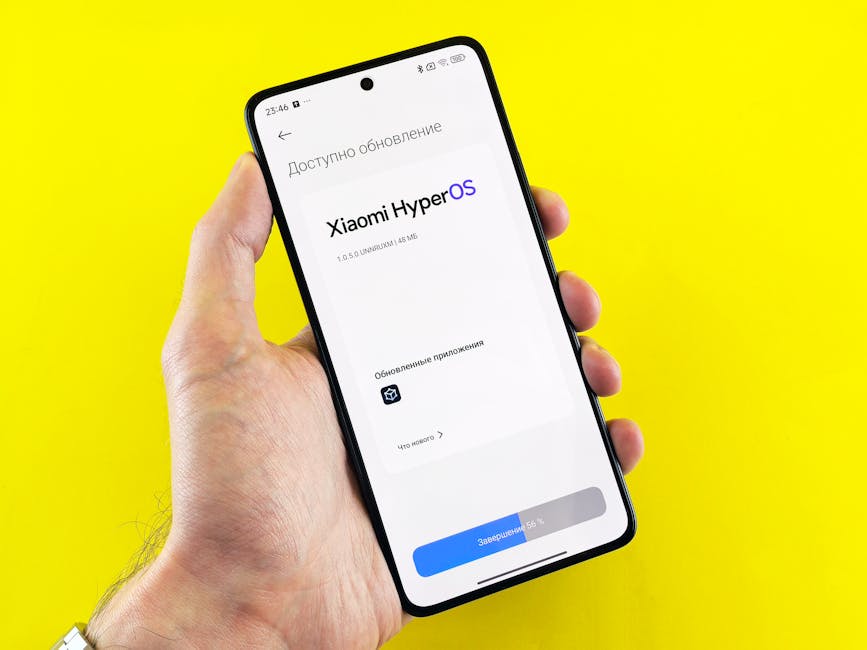
Windows Phone 7 Update Triggers Catastrophic System Failures: A Fatal Brain Spasm for Affected Devices
The rollout of a recent significant update for the Windows Phone 7 operating system has plunged a concerning number of users into a state of digital despair, with devices rendered utterly inoperable. This is not a minor glitch or an inconvenience; for many, the update has induced what can only be described as a "fatal brain spasm" within their smartphones, effectively bricking them and transforming expensive hardware into useless paperweights. Reports are flooding in from across the globe detailing a consistent pattern of catastrophic failure immediately following the installation of the latest firmware, leaving users stranded without communication, access to essential data, or any viable recourse. The severity and widespread nature of these incidents point to a fundamental flaw in the update’s architecture, a critical oversight that has had devastating consequences for a significant segment of the Windows Phone 7 user base. The term "brain spasm" accurately captures the sudden, violent, and irreversible nature of the system collapse experienced by these devices, highlighting the abrupt cessation of all normal operational functions.
The specific update in question, widely identified as version 7.8 (though some reports suggest earlier versions may also be susceptible depending on the specific device and prior update history), was initially touted as a means to enhance performance, introduce new features, and bolster security for the aging Windows Phone 7 platform. However, the reality on the ground has been a stark and brutal contrast to these promises. Instead of an improvement, users have encountered a devastating rollback of functionality, where the device, after ostensibly completing the update process, simply refuses to boot, enters an inescapable recovery loop, or displays a distorted, non-functional interface. Diagnostic attempts by both users and, in some cases, official support channels have proven futile, with error codes pointing towards unrecoverable system corruption. This suggests that the update has fundamentally damaged the core operating system files, rendering the device incapable of initiating its boot sequence or loading the necessary software to function. The term "fatal" is not hyperbole; it accurately reflects the terminal nature of the failure, where the device’s ability to operate has been permanently extinguished by the update.
Examining the technical underpinnings of this widespread failure, it appears the update process may have inadvertently overwritten or corrupted critical bootloader partitions or essential system drivers. These are the foundational components that the phone relies on to even begin the process of loading the operating system. When these are compromised, the device is akin to a human body whose brainstem has been irrevocably damaged – the essential signals to function are simply not being transmitted. For some devices, the failure manifests as an immediate shutdown post-update, followed by an inability to power on. Others might display a brief, distorted splash screen before freezing or rebooting into a perpetual cycle of failure. Advanced users attempting to restore their devices via complex flashing procedures or factory resets have also reported an alarming lack of success, indicating that the damage extends beyond superficial software glitches and has infiltrated deeper into the device’s firmware. The implications of such deep-seated corruption are severe, often necessitating a complete replacement of the device’s internal storage or motherboard, a repair that is frequently uneconomical or impossible for a device on the Windows Phone 7 lifecycle.
The lack of a clear and effective solution from Microsoft has only amplified the frustration and anger among affected users. While some support forums offer generic troubleshooting steps that are clearly inadequate for the severity of the issue, there has been no widespread announcement of a recall, a dedicated support line for this specific problem, or a clear roadmap for rectifying the situation. This silence, coupled with the inability to revive their devices, has left a significant number of users feeling abandoned and betrayed by the technology giant. The economic impact is also considerable, with users having invested in these devices for their functionality and now being left with costly, non-functioning electronics. For many, particularly those who rely on their phones for business or communication, this is not just a technological inconvenience but a genuine disruption to their daily lives. The lack of proactive communication from Microsoft exacerbates the "brain spasm" analogy – a sudden, unpredictable, and debilitating event with no apparent remedy or explanation.
Further compounding the issue is the age of the Windows Phone 7 platform. While the update was intended to extend its life and offer some modern functionalities, it has instead hastened its demise for many. Support for Windows Phone 7 has been officially discontinued, meaning that Microsoft is unlikely to dedicate significant resources to developing a widespread fix. This leaves users in a particularly precarious position, caught between a defunct operating system and an update that has proven to be the ultimate undoing of their hardware. The decision to push a substantial update to an already unsupported or nearing-end-of-life platform raises questions about Microsoft’s update testing protocols and their commitment to user experience even for their older product lines. The "fatal brain spasm" is, in this context, a consequence of a system that was perhaps already vulnerable, but the update acted as the final, destructive blow.
The technical diagnosis points towards several potential culprits, though without official confirmation from Microsoft, these remain educated hypotheses. One possibility is a critical incompatibility between the new update code and specific hardware configurations of certain Windows Phone 7 devices. Different manufacturers used varying chipsets and hardware components, and it’s conceivable that the update was not thoroughly tested across this diverse hardware landscape. A seemingly minor code difference could lead to catastrophic conflicts when interacting with specific hardware registers or drivers, resulting in a total system failure. Another theory involves issues with the update’s verification process. If the update’s integrity check fails or is erroneously passed on a corrupted download, it could lead to the installation of faulty code, triggering the widespread bricking. The complexity of modern operating system updates, especially for devices with limited processing power and memory, means that even small errors in the update package can have outsized and devastating consequences.
The user experience in the aftermath of this "brain spasm" has been a consistent narrative of frustration. Online forums and social media platforms are awash with pleas for help, shared experiences of failed attempts at recovery, and widespread condemnation of Microsoft’s handling of the situation. Many users describe the overwhelming feeling of helplessness as their once-functional devices become unresponsive bricks. The lack of official acknowledgment of the problem’s scale, or at least a clear statement of intent to investigate, has fostered a sense of abandonment. This is particularly galling given that these devices were once considered a viable alternative to the dominant iOS and Android ecosystems, and users made a choice based on the perceived quality and support of the Windows Phone platform. The current situation is a stark betrayal of that trust.
For IT professionals and tech enthusiasts who have delved into the issue, the absence of specific error logs or diagnostic tools that can pinpoint the exact failure point further complicates matters. When a device simply refuses to boot and provides no meaningful error codes, it becomes incredibly difficult to diagnose the root cause. This lack of transparency from Microsoft regarding the update’s internal workings and the specific vulnerabilities it has exposed only adds to the user’s distress. It suggests a systemic issue that may not have a simple software patch as a solution, but rather requires a fundamental re-evaluation of their update development and deployment strategies, especially for legacy platforms. The "brain spasm" has left not only the devices unresponsive but also the path to resolution obscured.
The long-term implications of this incident extend beyond the immediate suffering of affected users. It has undoubtedly further eroded consumer confidence in the Windows Phone platform, a brand already struggling to gain significant market share. For those who have been loyal Windows Phone users, this experience is likely to be the final straw, pushing them towards alternative mobile operating systems and platforms. The reputational damage sustained by Microsoft from this widespread and catastrophic update failure will be difficult to repair, especially in an era where consumer reviews and word-of-mouth can have a significant impact on purchasing decisions. The "fatal brain spasm" has become a cautionary tale for the entire industry regarding the importance of robust testing, transparent communication, and responsible software deployment, particularly when dealing with older hardware. The incident serves as a stark reminder that even a seemingly routine software update can have devastating and irreversible consequences if not handled with the utmost care and diligence.












No comments yet. Be the first to join the conversation!