

Massive Mashup Gives NYC Tourists High-Tech 3D Planning Tools
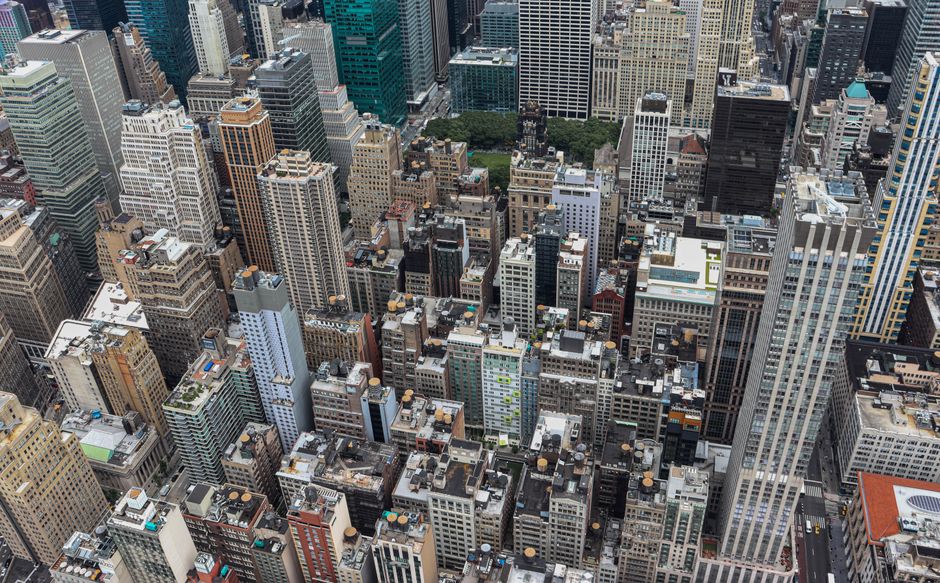
A revolutionary integration of cutting-edge spatial computing, augmented reality (AR), and vast urban data sets has culminated in a powerful new suite of planning tools designed to transform the New York City tourist experience. This ambitious undertaking, a massive mashup of disparate technological components, offers visitors an unprecedented level of detail and interactivity for navigating the sprawling metropolis. Gone are the days of static maps and fragmented information; this new platform presents a dynamic, 3D digital twin of NYC, allowing tourists to visualize, plan, and experience their trip in a way previously confined to science fiction.
At its core, this technological marvel leverages the capabilities of high-definition 3D city models, meticulously constructed from a combination of aerial lidar scans, street-level photogrammetry, and building information modeling (BIM) data. These models are not merely visual representations; they are deeply embedded with real-world information. Every building, street, park, and landmark is represented with an astonishing degree of accuracy, down to the facade details, tree canopies, and even the intricate ironwork of fire escapes. This foundational 3D infrastructure serves as the canvas upon which the subsequent layers of interactive planning tools are built, offering a persistent and comprehensive digital environment for exploration.
The integration of augmented reality is perhaps the most transformative element for the end-user. Tourists equipped with compatible smartphones or AR headsets can overlay this digital twin onto their real-world surroundings. Imagine standing at Times Square and, through your device, seeing not just the current bustling scene but also a ghosted overlay of historical buildings, projected concert schedules at nearby venues, or real-time crowd density indicators. This AR capability extends beyond mere visualization; it becomes a powerful navigational aid. Walking directions can be displayed as glowing pathways superimposed on the sidewalk, highlighting turns and distances with holographic arrows. Points of interest can be identified with hovering markers, providing instant access to reviews, opening hours, and even virtual queues.
Beyond the immersive AR experience, the platform boasts sophisticated itinerary planning tools that are intrinsically linked to the 3D environment. Users can "draw" their desired routes directly onto the 3D map, and the system will dynamically calculate optimal pathways, factoring in walking times, subway connections, and even potential scenic detours. The system can suggest personalized recommendations based on user-defined interests, past travel behavior, and current popularity metrics. For instance, a tourist interested in jazz clubs could see a visual representation of all nearby venues, their typical occupancy levels at certain times, and even snippets of live music streams accessible through the platform.
The data underpinning this mashup is a monumental achievement in itself. It’s a dynamic amalgamation of public datasets, private APIs, and user-generated content. This includes real-time transit information from the MTA, including subway delays and bus locations, all visualized within the 3D transit network. Information on restaurant availability, ticket sales for Broadway shows, museum exhibition schedules, and even the current weather at various microclimates within the city are all seamlessly integrated. The system continuously pulls and updates this information, ensuring that the tourist’s plans are always based on the most current realities.
Furthermore, the platform incorporates social sharing and collaborative planning features. Friends traveling together can collaboratively build and modify their itineraries in real-time, seeing each other’s proposed activities and making adjustments together, all within the shared 3D space. User-generated content, such as photos tagged to specific locations and reviews of attractions, are woven into the fabric of the 3D model, creating a rich and dynamic tapestry of shared experiences. This fosters a sense of community and allows for discovery of hidden gems recommended by fellow travelers.
The underlying technology supporting this massive mashup involves a complex interplay of cloud computing, geospatial databases, and advanced rendering engines. The sheer volume of data requires robust cloud infrastructure to process, store, and serve it efficiently. Geospatial databases are crucial for managing the spatial relationships between different data elements within the 3D model. Advanced rendering engines are essential for delivering high-fidelity visual experiences, whether on a mobile device or a more powerful AR headset, ensuring smooth performance even in highly detailed environments.
The development of such a comprehensive platform presented significant technical hurdles. Integrating diverse data formats and ensuring their semantic consistency across different sources was a monumental task. Real-time data synchronization for critical information like transit updates and event schedules required the development of sophisticated streaming protocols. Optimizing the 3D models and AR rendering for a wide range of consumer devices, from high-end smartphones to older models, necessitated a careful balance between visual fidelity and performance. Furthermore, ensuring data privacy and security for user-generated content and personal planning data was paramount.
The impact of this technology on the tourism industry in NYC is projected to be substantial. For tourists, it promises a more intuitive, efficient, and ultimately more enjoyable experience. The ability to visualize and plan in 3D reduces the anxiety often associated with navigating a new, large city. It empowers visitors to make more informed decisions, discover new experiences, and optimize their time. This can lead to increased visitor satisfaction and a greater propensity for repeat visits.
For local businesses, this platform opens up new avenues for targeted marketing and customer engagement. Restaurants can highlight their ambiance and menu in 3D, theaters can offer virtual tours of their venues, and shops can showcase their merchandise in an interactive way. The real-time data integration allows businesses to respond dynamically to tourist flow, managing queues, offering last-minute promotions, and optimizing staffing. This data-driven approach can lead to increased revenue and a more streamlined operational flow.
The city itself stands to benefit from improved urban management. The detailed 3D model can be utilized for urban planning purposes, visualizing the impact of new developments, managing traffic flow, and identifying areas for infrastructure improvements. The anonymized aggregate data on tourist movement patterns can inform policy decisions related to public transportation, park utilization, and event management. This creates a feedback loop where technology not only enhances the tourist experience but also contributes to the sustainable development and management of the city.
Looking ahead, the possibilities for this platform are vast. Future iterations could incorporate AI-powered virtual concierges, offering personalized advice and assistance in multiple languages. Integration with wearable technology could provide even more seamless AR experiences, with contextual information appearing as needed. The potential for gamification, where tourists can complete challenges or unlock virtual rewards by visiting certain locations, could further enhance engagement. The platform could also serve as a gateway for pre-trip planning, allowing tourists to explore NYC virtually from their homes, booking accommodations and activities before even arriving. The continuous evolution of spatial computing and AR technologies will undoubtedly lead to even more sophisticated and immersive experiences built upon this groundbreaking mashup. The foundational infrastructure, once established, provides a robust platform for ongoing innovation and expansion, solidifying its position as a cornerstone of future urban tourism.






No comments yet. Be the first to join the conversation!