New Psa Goes Graphic With Message Against Texting While Driving
New PSA Goes Graphic: Stark Visuals Underscore Deadly Reality of Texting While Driving
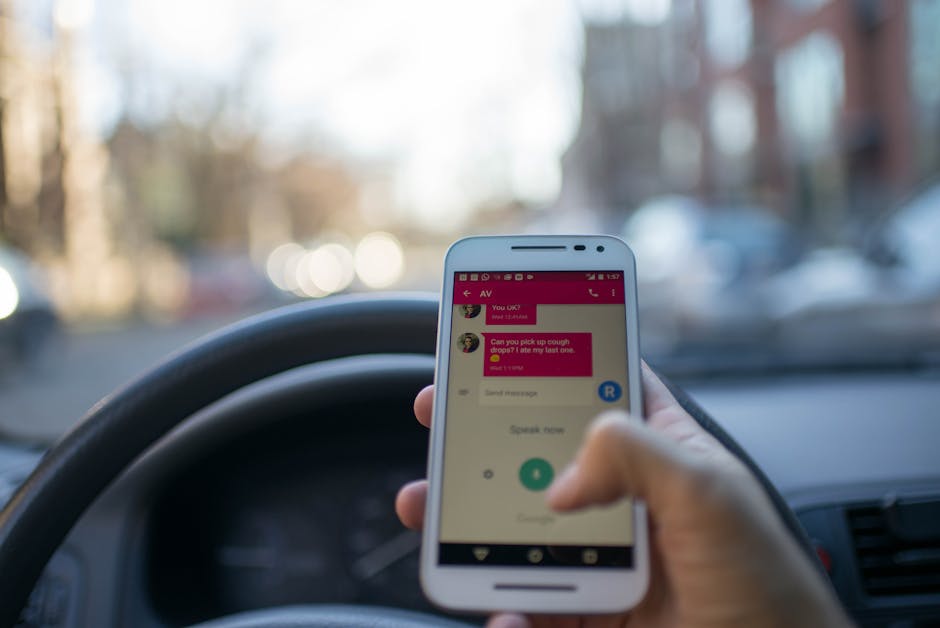
A new public service announcement (PSA) has launched, employing unflinching, graphic imagery to confront the pervasive and deadly issue of texting while driving. The campaign eschews subtle pleas and instead opts for visceral depictions of the catastrophic consequences that can unfold in the seconds a driver’s attention is diverted to a mobile device. This bold approach aims to penetrate the complacency that has unfortunately become a hallmark of this dangerous behavior, compelling viewers to recognize that a momentary glance at a screen can result in irreversible tragedy. The PSA, distributed across various media platforms including television, social media, and cinema advertising, focuses on the immediate and devastating impact of such actions, leaving little room for ambiguity about the severity of the risks involved. By showcasing the raw aftermath of collisions, the campaign forces a confrontation with the harsh realities that often remain unseen by those who engage in this reckless practice.
The core of the new PSA campaign centers on unflinching visual storytelling. It doesn’t merely allude to accidents; it depicts them with a stark, unflinching realism. One segment, for instance, opens with the serene image of a family enjoying a picnic, the laughter of children echoing. This idyllic scene is abruptly shattered by the screech of tires and a sickening crunch of metal. The camera then pans to the mangled wreckage of vehicles, revealing the immediate aftermath of a collision caused by a distracted driver. The focus isn’t on gore for shock value alone, but rather on showcasing the tangible destruction and chaos that result from a single, fatal decision. We see paramedics working frantically, the faces of first responders etched with grim determination, and the silent, heartbreaking tableau of a life extinguished. The narrative arc, though brief, is powerful: a peaceful moment transformed into a scene of utter devastation, all stemming from a preventable act of distraction. The campaign strategically uses close-ups of damaged vehicles, emphasizing the vulnerability of human life within these metal shells. The shattered glass, the twisted steel, and the deployed airbags serve as potent visual metaphors for the fragility of life and the destructive force of inattention.
Beyond the immediate aftermath, the PSA delves into the prolonged suffering and ripple effects of texting while driving. Another vignette follows the emotional journey of a victim’s family, their grief palpable as they navigate the legal and personal ramifications of their loss. This segment highlights the enduring pain, the shattered dreams, and the lifelong void left by a driver who chose to text instead of focus on the road. We see images of empty chairs at family gatherings, photos of the deceased displayed with a profound sense of absence, and the quiet despair of loved ones grappling with an unfixable reality. The campaign understands that the impact of a texting-while-driving accident extends far beyond the collision itself, permeating the lives of survivors and their communities. The emotional toll is depicted with an honesty that aims to resonate deeply, aiming to foster empathy and a broader understanding of the human cost. This aspect of the PSA is crucial for moving beyond the immediate shock and into the realm of long-term consequences, emphasizing that the repercussions are not temporary.
The visual language employed is deliberately unsettling. The PSA utilizes a palette of muted, somber tones, punctuated by the stark reds of blood and emergency lights, creating an atmosphere of dread and urgency. The sound design is equally impactful, featuring jarring sound effects like the sharp crack of impact, the wail of sirens, and the chilling silence that follows devastation. The absence of dialogue in many scenes forces the viewer to confront the visual narrative directly, stripping away any potential for intellectualization and appealing directly to emotional understanding. This sensory assault is designed to be memorable, embedding the message firmly in the viewer’s consciousness. The campaign deliberately avoids showing the actual act of texting in the moments leading up to the crash, instead focusing on the aftermath, implying that the seconds of distraction are sufficient to trigger catastrophic events. This indirect approach can be even more powerful, allowing the viewer’s imagination to fill in the blanks and personalize the potential for tragedy.
A significant element of the PSA is its direct challenge to common justifications for texting while driving. It confronts the prevalent mindset of "it won’t happen to me" by illustrating that anyone, at any moment, can become a victim or perpetrator. The campaign aims to dismantle the illusion of control that drivers often possess, highlighting the inherent unpredictability of the road and the vulnerability of every individual present. By depicting ordinary people in everyday situations, the PSA emphasizes that this is not an issue confined to reckless outliers, but a widespread problem affecting people from all walks of life. The normalization of such behavior on social media and in everyday commutes has created a dangerous sense of desensitization, and this PSA seeks to jolt viewers out of that complacency. The underlying message is clear: the perceived convenience or necessity of responding to a text is never worth risking a life.
The campaign’s creators have emphasized their commitment to impactful storytelling over gratuitous shock value. While the imagery is graphic, it serves a clear educational purpose: to demonstrate the brutal reality of the consequences. They argue that subtler campaigns have failed to adequately convey the gravity of the situation, and that a more direct and visceral approach is necessary to effect meaningful change in behavior. The use of graphic content is a calculated decision, based on the understanding that the stakes are incredibly high and that the message needs to penetrate a public that has become desensitized to warnings. The goal is not to traumatize, but to provoke a profound and lasting realization of the inherent danger. The effectiveness of such an approach is rooted in its ability to bypass rationalization and engage directly with the emotional core of decision-making.
Furthermore, the PSA actively seeks to engage younger demographics, who are often heavily reliant on mobile communication and may underestimate the risks. By leveraging social media platforms and employing a direct, no-holds-barred visual style, the campaign aims to capture the attention of a generation that is constantly bombarded with information. The hope is that by presenting the stark realities in a way that resonates with their media consumption habits, the message will be more effectively absorbed and acted upon. The use of short, impactful video clips and shareable content is strategically designed to encourage discussion and dissemination within peer groups, fostering a collective awareness and commitment to safer driving practices. The campaign recognizes that social influence plays a significant role in shaping attitudes and behaviors, particularly among young adults, and aims to harness this power for positive change.
The PSA also provides a clear call to action, urging viewers to put their phones away before they start the car and to designate a passenger as the "texter" if communication is essential. It promotes the use of "do not disturb while driving" modes on smartphones and encourages open conversations within families and friend groups about the dangers of distracted driving. This multifaceted approach aims to equip individuals with practical tools and foster a supportive environment for behavioral change. The campaign doesn’t just present the problem; it offers tangible solutions, empowering individuals to make safer choices. The emphasis on collective responsibility underscores the idea that ending texting while driving requires a societal shift in attitude and behavior, rather than solely individualistic efforts.
In terms of SEO optimization, the campaign’s messaging is inherently aligned with keywords such as "texting while driving," "distracted driving," "car accidents," "road safety," "preventable deaths," "graphic PSA," and "anti-texting driving campaign." The visceral nature of the content naturally generates interest and discussion, which in turn drives search queries. The widespread dissemination across various online platforms ensures a broad reach and increases the likelihood of the PSA being discovered by individuals actively seeking information on the topic, or by those who might stumble upon it during general browsing. The use of compelling visuals and emotionally charged narratives also contributes to higher engagement metrics like shares, likes, and comments, further boosting online visibility. The directness of the message makes it highly searchable for those concerned about the issue or looking for resources to educate themselves or others. The campaign’s strategic use of social media to amplify its reach ensures that it is discoverable through trending topics and hashtags related to road safety and responsible driving. The graphic nature, while controversial, undeniably makes it memorable and discussable, increasing its digital footprint.
The long-term goal of this graphic PSA is to foster a cultural shift away from the acceptance of texting while driving. By confronting the audience with the unvarnished truth of its consequences, the campaign aims to instill a deep-seated aversion to this behavior. The hope is that the powerful imagery will serve as a constant reminder, acting as a mental deterrent every time a driver reaches for their phone. The campaign’s boldness is a testament to the urgency of the issue and the conviction that only a stark and uncompromising message can break through the pervasive complacency that continues to endanger lives on our roads. The effectiveness of such a campaign hinges on its ability to create a lasting emotional impact that translates into sustained behavioral change, ultimately contributing to a significant reduction in the tragic toll of texting while driving. The goal is not simply to shock, but to instill a profound sense of responsibility and a lifelong commitment to prioritizing safety over fleeting digital communication. The lasting imprint of the graphic visuals is intended to serve as a constant, silent guardian against a momentary, fatal lapse in judgment.