
The Algorithmic Canvas: Redefining Art in the Digital Age
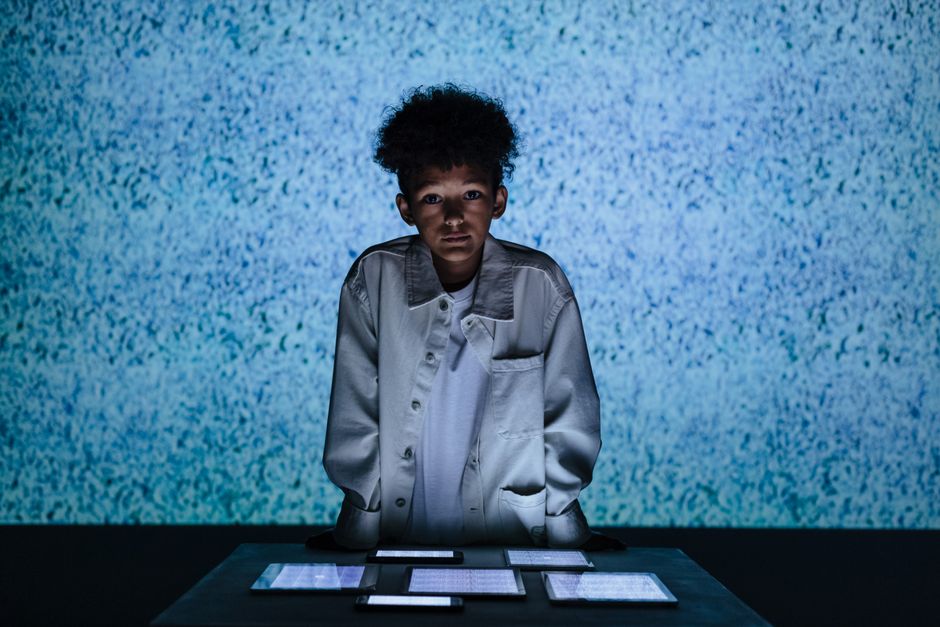
The contemporary art landscape is undergoing a seismic shift, propelled by a new generation of artists whose creative output is inextricably linked to digital technologies. This demographic, often referred to as digital natives or the "algorave generation," has grown up immersed in a world of screens, code, and interconnectedness. Their artistic practice is not simply a matter of applying digital tools to traditional mediums but a fundamental reimagining of artistic conception, creation, and dissemination. This revolution is characterized by the integration of artificial intelligence, generative algorithms, virtual reality, augmented reality, and a pervasive understanding of digital workflows, leading to art that is dynamic, interactive, and often ephemeral. These artists are not merely consumers of technology; they are its active architects, leveraging its inherent capabilities to explore new aesthetic territories, challenge established notions of authorship, and democratize the creation and consumption of art. The impact of this digitally driven generation extends beyond their individual creations, influencing art institutions, critical discourse, and the very definition of what constitutes artistic merit in the 21st century.
The foundational element of this new artistic paradigm is the intimate relationship these artists have with code. For many, programming languages are as intuitive as brushes or chisels. They employ generative art techniques, where algorithms are designed to produce visual, auditory, or textual outputs, often with an element of controlled randomness. This allows for the creation of endlessly evolving pieces, where the artist sets parameters and the code generates variations, blurring the lines between creator and a self-generating system. Tools like Processing, p5.js, and openFrameworks are not just software; they are extensions of the artist’s cognitive process. This approach liberates artists from the limitations of manual execution, enabling them to explore complex patterns, intricate textures, and emergent behaviors that would be impossible to achieve through traditional means. The iterative nature of coding also fosters a unique creative loop, where experimentation and refinement are intrinsic to the process, leading to unexpected and often profound outcomes. This is not about automation replacing creativity; it’s about a symbiotic partnership where the artist’s intent guides the computational power, unlocking new expressive potentials.
Artificial intelligence (AI) has emerged as a particularly transformative force for this generation. Rather than viewing AI as a threat to human creativity, these artists are embracing it as a collaborator. They train AI models on vast datasets of existing art, text, or images, prompting them to generate novel content. This can range from AI-generated paintings in the style of famous masters to entirely new visual lexicons. The artist’s role shifts from direct execution to curation, prompting, and refinement. They become conductors of intelligent systems, guiding them towards specific aesthetic goals. This raises fascinating questions about authorship and originality. When an AI generates a compelling image based on an artist’s prompts, who is the true creator? This ambiguity is a fertile ground for conceptual exploration, pushing the boundaries of intellectual property and the very essence of artistic ownership. Furthermore, AI’s capacity for rapid iteration and exploration of vast stylistic possibilities allows artists to discover aesthetic avenues previously unimagined.
Virtual Reality (VR) and Augmented Reality (AR) offer immersive and interactive canvases for this digitally fluent generation. VR art allows for the creation of fully realized three-dimensional worlds that viewers can inhabit, fostering a sense of presence and agency previously unattainable. Artists can sculpt, paint, and design within these virtual spaces, creating experiences that are not merely observed but actively participated in. Tilt Brush and Quill are examples of tools that empower artists to manifest their imaginations in three-dimensional space. AR, on the other hand, overlays digital elements onto the real world, transforming our perception of everyday environments. Imagine walking down a street and seeing digital sculptures appear, or interacting with animated characters that inhabit physical spaces. This fusion of the digital and the physical creates site-specific artworks that are deeply integrated with their surroundings, offering new ways to engage with public spaces and our immediate reality. The ephemeral nature of AR installations, often tied to specific locations and accessed through mobile devices, further challenges traditional notions of art as a fixed object.
The dissemination and monetization of digital art are also undergoing significant disruption, largely driven by blockchain technology and Non-Fungible Tokens (NFTs). NFTs have provided a mechanism for proving ownership and authenticity of unique digital assets, enabling artists to sell their work directly to a global audience without intermediaries. This has democratized the art market, empowering independent artists and fostering new communities of collectors. The ability to program royalties into NFTs also provides artists with a continuous revenue stream from secondary sales, a concept rarely seen in the traditional art world. While the NFT market has experienced its volatility, its underlying technology has fundamentally altered the economics of digital art, creating a more sustainable ecosystem for digital creators. This technological shift has also fueled a debate about the environmental impact of certain blockchain technologies, prompting artists to explore more sustainable and eco-conscious approaches to digital art creation and tokenization.
Beyond the tools and technologies, this generation of artists possesses a unique critical lens. They are acutely aware of the societal implications of technology, addressing themes of surveillance, data privacy, algorithmic bias, and the increasingly blurred lines between the digital and physical realms in their work. Their art often serves as a commentary on the human condition in an age of unprecedented technological advancement. They are adept at using digital mediums to provoke thought, challenge assumptions, and foster dialogue about the future we are collectively building. This critical engagement is not confined to abstract concepts; it often manifests in visceral and emotionally resonant artistic experiences. The accessibility of digital tools allows for a more direct and immediate translation of these complex ideas into tangible artistic outputs.
The rise of online platforms and social media has also played a crucial role in shaping this generation’s artistic careers. Artists can build substantial followings, showcase their work to a global audience, and engage directly with their fans without the need for traditional galleries or agents. This has fostered a more meritocratic and accessible art world, where talent and innovation can be recognized regardless of established connections. The iterative and collaborative nature of online platforms also lends itself well to the development of digital art, allowing for feedback loops and co-creation among artists and their communities. This organic growth and community building are integral to the success and influence of many digital artists. The performative aspect of online art, where the process of creation can be as engaging as the final product, further amplifies their reach and impact.
The education and training of these artists also reflect this digital evolution. Art schools are increasingly incorporating digital art programs, teaching coding, AI, VR/AR development, and digital fabrication alongside traditional disciplines. However, many digital artists are self-taught, leveraging the wealth of online resources, tutorials, and open-source communities. This DIY ethos and constant pursuit of knowledge are hallmarks of their creative journey. The rapid pace of technological development necessitates a continuous learning process, with artists often staying ahead of the curve by experimenting with emerging tools and techniques. This adaptability and proactive approach to skill acquisition are essential for navigating the ever-evolving digital landscape.
The aesthetic sensibilities of this generation are also distinct. They often embrace a maximalist approach, integrating diverse visual styles, glitch aesthetics, and pixelated textures. There’s a fluid intermingling of the polished and the raw, the hyperreal and the abstract. Their work can be characterized by a vibrant, often chaotic energy, reflecting the constant influx of information and stimuli in their digital lives. The concept of "remix culture" is also deeply ingrained, with artists frequently borrowing, recontextualizing, and transforming existing digital assets into something new. This embrace of appropriation and transformation challenges traditional notions of originality and authorship, further pushing the boundaries of artistic practice. The visual language of video games, internet memes, and digital interfaces often finds its way into their artistic lexicon, creating a dialogue between popular culture and fine art.
In conclusion, the digitally driven generation of artists represents a fundamental paradigm shift in art. They are not simply using technology as a tool but are actively integrating it into the very fabric of their creative process, conception, and output. Their embrace of AI, generative algorithms, VR/AR, and blockchain technology is redefining artistic practice, authorship, dissemination, and even the definition of art itself. This generation’s critical engagement with technology and its societal implications, coupled with their innovative use of digital mediums, promises to shape the future of art in profound and exciting ways, creating a dynamic, interactive, and ever-evolving artistic landscape. Their influence will continue to grow as technology advances, pushing the boundaries of human expression and our understanding of creativity itself.



No comments yet. Be the first to join the conversation!