

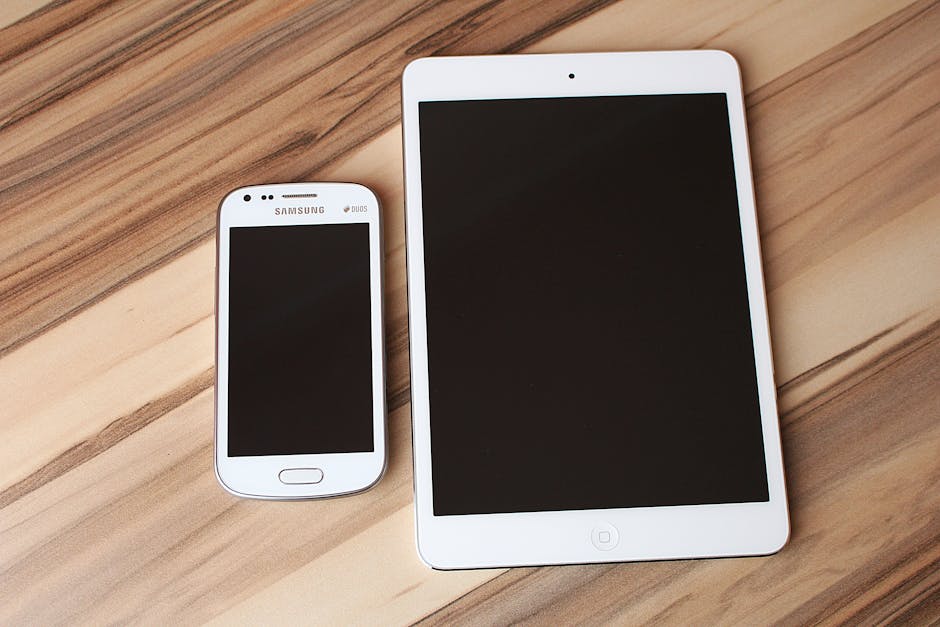
Samsung’s 120Hz Super Sharp Tablet Display: A Deep Dive into Pixel Perfection and Performance
Samsung’s latest tablet display technology, boasting an unprecedented 120Hz refresh rate, represents a significant leap forward in mobile visual fidelity. This isn’t merely an incremental upgrade; it’s a fundamental shift in how users interact with and perceive their tablet screens, impacting everything from fluid scrolling to immersive gaming and professional-grade content creation. At its core, the 120Hz refresh rate means the display updates its image 120 times per second, a doubling of the standard 60Hz found in most conventional tablets. This dramatic increase in update frequency directly translates to demonstrably smoother motion, significantly reduced motion blur, and a more responsive feel across the entire user interface. For everyday tasks like navigating menus, browsing websites, or flipping through digital pages, the difference is immediately apparent, creating a perception of effortless fluidity that 60Hz displays simply cannot replicate.
The "super sharp" moniker Samsung employs is equally crucial, and it’s intrinsically linked to the display’s high refresh rate and underlying pixel technology. While 120Hz primarily addresses motion clarity, sharpness is governed by resolution and pixel density. Samsung’s commitment to pushing boundaries in this area means these 120Hz displays are typically paired with high-resolution panels, often QHD+ (2560 x 1440 pixels) or even higher, depending on the tablet’s form factor and target market. A higher resolution, combined with a smaller screen size, results in a greater number of pixels packed into each square inch, measured in pixels per inch (PPI). This heightened PPI count leads to incredibly crisp text that is virtually indistinguishable from print, detailed imagery with nuanced textures, and a truly immersive visual experience where individual pixels become imperceptible to the naked eye. The synergy between the 120Hz refresh rate and high resolution is what truly elevates these displays, creating a visual canvas that is both exceptionally smooth and remarkably detailed.
Beyond the headline specifications of 120Hz and high resolution, Samsung’s proprietary display technologies play a pivotal role in achieving this "super sharp" and fluid experience. Dynamic AMOLED 2X is the cornerstone of this innovation. This advanced panel technology offers several key advantages. Firstly, it delivers exceptional color accuracy and vibrancy. Unlike older LCD technologies, AMOLED displays produce their own light on a per-pixel basis, allowing for true blacks and infinite contrast ratios. This means that dark scenes in movies or games will appear genuinely black, enhancing depth and realism. Coupled with HDR (High Dynamic Range) support, which expands the range of both contrast and color, these displays can render a wider spectrum of light and shadow, bringing content to life with breathtaking detail and lifelike vibrancy. The "2X" designation often signifies enhancements in brightness, color gamut coverage, and, critically for this discussion, the ability to sustain higher refresh rates without compromising image quality or power efficiency.
The adaptive refresh rate technology embedded within these 120Hz panels is a game-changer for battery life and overall performance optimization. Instead of locking the display at a constant 120Hz, which would be a significant drain on power, Samsung’s intelligent systems dynamically adjust the refresh rate based on the content being displayed. When viewing static content like a document or a paused image, the refresh rate can drop to as low as 10Hz or even lower to conserve energy. As soon as the user initiates a motion-intensive action, such as scrolling through a webpage, swiping between apps, or playing a fast-paced game, the display seamlessly and instantaneously ramps up to 120Hz. This adaptive approach ensures that users benefit from the silky-smooth visual experience only when it’s needed, without sacrificing battery longevity. This intelligent power management is a critical component that makes the 120Hz technology practical for everyday tablet usage.
For creative professionals and artists, the implications of a 120Hz super sharp display are profound. Precision and fluidity are paramount when working with digital drawing tools, photo editing software, or video editing applications. The significantly reduced input lag and the ability to see strokes and edits appear on screen in near real-time with the stylus movement is a game-changer. Traditional 60Hz displays often introduce a noticeable delay between stylus input and its on-screen representation, which can break the creative flow and lead to less accurate work. The 120Hz refresh rate, coupled with optimized touch sampling rates (how often the screen registers touch input), dramatically minimizes this lag, making digital drawing feel more akin to working with physical media. The high resolution ensures that fine details in artwork or photographs are rendered with incredible fidelity, allowing for meticulous editing and precise adjustments. This makes Samsung’s advanced tablet displays ideal tools for graphic designers, illustrators, photographers, and anyone who relies on their tablet for visual creation.
Gaming on these 120Hz displays is an entirely new dimension of immersion and competitive advantage. The increased frame rate translates to a smoother and more responsive gaming experience. Fast-paced titles, especially those with rapid camera movements or detailed environments, benefit immensely. Reduced motion blur means players can track enemies and targets more easily, react quicker to in-game events, and experience a more fluid and enjoyable visual feedback loop. The high contrast and vibrant colors of AMOLED technology further enhance the gaming experience, making explosions more spectacular, environments more lifelike, and the overall visual presentation more captivating. For competitive gamers, the 120Hz refresh rate can offer a tangible advantage by allowing them to perceive and react to on-screen information faster than opponents using lower refresh rate displays. This is particularly crucial in genres like first-person shooters or real-time strategy games.
The underlying hardware powering these displays is also noteworthy. Samsung’s ongoing research and development in display driver ICs (integrated circuits) and panel manufacturing processes are critical to enabling these high refresh rates and resolutions while maintaining energy efficiency and durability. Advanced materials, sophisticated layering techniques, and optimized pixel structures are all part of the intricate engineering that goes into creating these cutting-edge displays. The pursuit of thinner bezels, while maintaining structural integrity and housing necessary components, is another area where Samsung’s display prowess is evident. This allows for a more expansive and immersive viewing area within a given tablet footprint, further enhancing the user’s visual experience.
Beyond the immediate benefits to the end-user, the development of these 120Hz super sharp tablet displays has broader implications for the entire mobile ecosystem. It drives innovation in processor design, as more powerful chipsets are required to drive the higher frame rates and resolutions without performance bottlenecks. It also pushes the boundaries for content creators and developers, encouraging them to produce media and applications that can fully leverage the capabilities of these advanced displays. This creates a virtuous cycle of innovation, where hardware advancements inspire software development, and vice versa, ultimately leading to richer and more engaging digital experiences for consumers.
The future of tablet displays is clearly moving towards higher refresh rates and even greater pixel density. Samsung’s current offerings with 120Hz Super AMOLED 2X displays are setting a new benchmark, making it increasingly difficult for conventional 60Hz displays to compete. As the technology matures and production costs decrease, it’s highly probable that 120Hz will become the standard for mid-range and high-end tablets alike. Furthermore, ongoing research into even higher refresh rates, potentially reaching 144Hz or beyond, and advancements in micro-LED and other next-generation display technologies suggest that the pursuit of pixel perfection and visual fluidity is far from over. Samsung’s consistent investment in display innovation positions them at the forefront of this evolution, ensuring that their tablets continue to offer some of the most visually stunning and responsive mobile experiences available. The "super sharp" and 120Hz tablet display isn’t just a feature; it’s a foundational element that redefines what is possible in the realm of portable computing and entertainment. The technical intricacies, from adaptive refresh rates and AMOLED technology to high PPI counts and low input lag, all converge to create a truly superior visual experience that impacts productivity, creativity, and entertainment in profound ways.












No comments yet. Be the first to join the conversation!