Zooming In On The Right Digital Slr Camera
Unlocking Your Vision: A Comprehensive Guide to Choosing the Right Digital SLR Camera for Your Needs
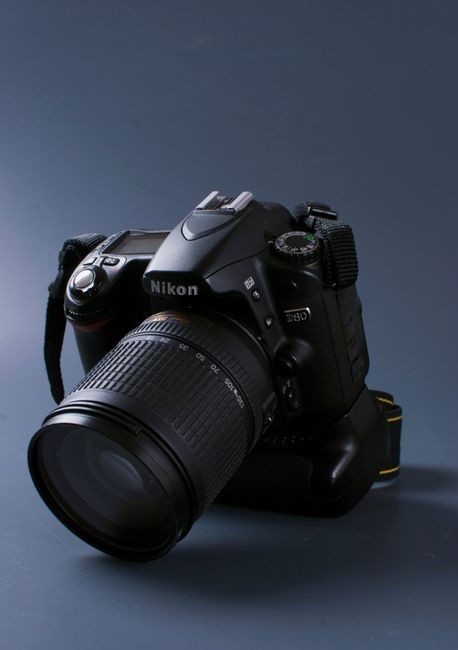
The digital single-lens reflex (DSLR) camera represents a powerful tool for photographers, offering unparalleled control over image quality, creative expression, and a vast ecosystem of lenses and accessories. For those seeking to elevate their photography beyond smartphone limitations or upgrade from entry-level point-and-shoots, understanding the nuances of DSLR selection is paramount. This guide dissects the critical factors to consider, empowering you to zoom in on the perfect digital SLR camera that aligns with your photographic ambitions, budget, and technical proficiency.
The core of a DSLR’s appeal lies in its optical viewfinder and interchangeable lens system. Unlike mirrorless cameras, DSLRs utilize a mirror mechanism that directs light from the lens to the optical viewfinder, providing a true-to-life, lag-free preview of your scene. This direct connection to the subject is a significant advantage for action photography, wildlife, and situations demanding precise framing. The interchangeable lens mount unlocks a universe of creative possibilities. From ultra-wide-angle vistas to telephoto reach for distant subjects, and from sharp prime lenses for portraits to versatile zoom lenses for everyday shooting, the ability to swap lenses allows you to adapt your camera to any photographic scenario. This versatility is a fundamental reason why DSLRs continue to hold a strong position in the market, particularly for enthusiasts and professionals.
Sensor size is a foundational element dictating a DSLR’s image quality and low-light performance. The two primary sensor formats in DSLRs are APS-C and full-frame. APS-C sensors, common in entry-level and mid-range DSLRs, are smaller than full-frame sensors. While they offer a crop factor (effectively magnifying the focal length of your lenses), they also contribute to smaller, lighter, and more affordable camera bodies. APS-C cameras are excellent for general photography, travel, and subjects where extreme shallow depth of field isn’t the absolute priority. Full-frame sensors, found in higher-end DSLRs, are equivalent in size to a 35mm film frame. They excel in low-light conditions due to larger pixel sizes (generally) which gather more light, leading to cleaner images with less noise at higher ISO sensitivities. Full-frame sensors also produce a shallower depth of field more readily, allowing for that desirable background blur (bokeh) often sought after in portraiture. The choice between APS-C and full-frame hinges on your budget, desired image quality, and the types of photography you intend to pursue. For beginners, an APS-C camera offers a fantastic entry point without compromising significantly on image quality. As your skills and demands grow, a full-frame DSLR can provide the ultimate in image fidelity.
Megapixel count, while often touted, is not the sole determinant of image quality. It refers to the number of individual pixels that make up an image. Higher megapixel counts allow for greater detail and larger prints without pixelation. However, more megapixels don’t automatically equate to better photos. A well-designed sensor with fewer megapixels can often outperform a high-megapixel sensor with limitations in noise reduction or dynamic range. For most users, a megapixel count between 20 and 30 megapixels on an APS-C sensor, or 30 to 50 megapixels on a full-frame sensor, offers a healthy balance of detail and manageable file sizes. The real magic happens in how the sensor processes light and color. Look beyond the megapixel race and consider the sensor’s overall quality, including its dynamic range (the ability to capture detail in both bright highlights and deep shadows) and its high ISO performance (how well it handles noise at higher sensitivity settings).
Autofocus (AF) systems are critical for capturing sharp images, especially in dynamic situations. DSLR AF systems typically consist of phase-detection AF sensors located in the mirror box. The number and type of AF points vary significantly between camera models. More AF points offer greater flexibility in composing your shots, especially when tracking moving subjects. Advanced AF systems incorporate features like subject tracking, eye-detection AF, and predictive AF, which significantly enhance your ability to lock onto and follow fast-moving subjects. For sports and wildlife photographers, a robust AF system with numerous cross-type sensors (which are more sensitive to both horizontal and vertical lines) is essential. For general photography and portraits, a competent AF system with good coverage across the frame will suffice. Consider the speed and accuracy of the AF system in different lighting conditions. Many modern DSLRs offer excellent performance, but some excel more than others in low light or when tracking erratic movement.
Continuous shooting speed, measured in frames per second (fps), determines how many images a DSLR can capture in rapid succession. This is a crucial specification for action photography, sports, and capturing fleeting moments. A higher fps allows you to increase your chances of capturing the perfect shot within a burst of activity. For sports enthusiasts, 7fps or higher is highly desirable. For everyday photography, 3-5fps is generally adequate. Beyond the raw fps, buffer depth is also important. The buffer is a temporary memory that stores images before they are transferred to your memory card. A larger buffer allows you to shoot longer bursts at high speeds before the camera slows down. When evaluating continuous shooting, consider not only the fps but also the buffer depth and the speed of your memory card, as these all contribute to your ability to capture extended action sequences.
Video capabilities have become an increasingly important feature in DSLRs. While originally designed for still photography, many modern DSLRs offer impressive video recording options. Look for features like 4K resolution for cinematic quality, higher frame rates (like 60fps or 120fps) for slow-motion effects, and advanced autofocus performance during video recording. Manual control over video settings, such as aperture, shutter speed, and ISO, is essential for serious videographers. Some DSLRs also offer features like headphone and microphone jacks for improved audio recording and flat picture profiles for greater flexibility in post-production color grading. If video is a significant part of your photographic workflow, prioritize cameras with robust video features that meet your specific needs.
Ergonomics and build quality are often overlooked but are vital for a comfortable and enjoyable shooting experience. A DSLR should feel good in your hands, with well-placed buttons and dials that are intuitive to operate. The weight and size of the camera should also be considered, especially if you plan on carrying it for extended periods. Higher-end DSLRs often feature weather-sealed bodies, protecting them from dust and moisture, which is a valuable feature for outdoor photographers or those who shoot in challenging environments. The viewfinder’s brightness and clarity also contribute to the shooting experience. Try to handle different camera models in person to get a feel for their ergonomics and assess their build quality.
The ecosystem of lenses and accessories is a significant advantage of the DSLR system. Canon and Nikon, the two dominant DSLR manufacturers, have extensive lineups of lenses, ranging from affordable kit lenses to professional-grade optics. Beyond lenses, there’s a vast array of accessories available, including flashes, tripods, filters, and battery grips, that can expand your creative capabilities. When choosing a DSLR system, consider the long-term investment in lenses. If you have specific lens needs, research the availability and cost of those lenses within a particular brand’s system. This ecosystem approach allows you to build a versatile kit that can grow with your photographic journey.
User interface and menu systems vary greatly between manufacturers and even between different models within the same brand. A camera with an intuitive and easy-to-navigate menu system can significantly improve your shooting experience, allowing you to quickly access settings and adjust parameters. Some cameras offer customizable buttons and touchscreens, which can further streamline your workflow. Reading reviews and watching video demonstrations can give you a good idea of a camera’s user interface before you make a purchase. Ultimately, a camera should not feel like a chore to operate; it should be an extension of your creative intent.
Budget is, of course, a primary consideration. DSLRs span a wide price range, from entry-level models that are very affordable to professional-grade bodies that represent a significant investment. It’s crucial to balance your desires with your financial realities. Entry-level DSLRs offer excellent image quality and a stepping stone into the DSLR world. Mid-range models provide more advanced features and better performance. High-end and professional DSLRs offer the pinnacle of image quality, speed, and robustness. Consider not just the camera body but also the cost of lenses and other essential accessories. Sometimes, a slightly older but still capable DSLR model at a lower price point can be a more sensible investment than the latest flagship with features you might not fully utilize.
Ultimately, the "right" digital SLR camera is the one that best empowers you to capture the images you envision. It’s a confluence of your photographic goals, technical comfort level, and financial resources. By carefully evaluating sensor size, megapixel count, autofocus capabilities, continuous shooting speed, video features, ergonomics, build quality, lens ecosystem, user interface, and budget, you can make an informed decision that will serve you well on your photographic journey. Don’t be afraid to research, read reviews, and, if possible, get hands-on with different models. The digital SLR landscape offers a wealth of options, and with a focused approach, you can zoom in on the perfect tool to unlock your creative potential.