Anticipating The Apple Saboteur In Motorola
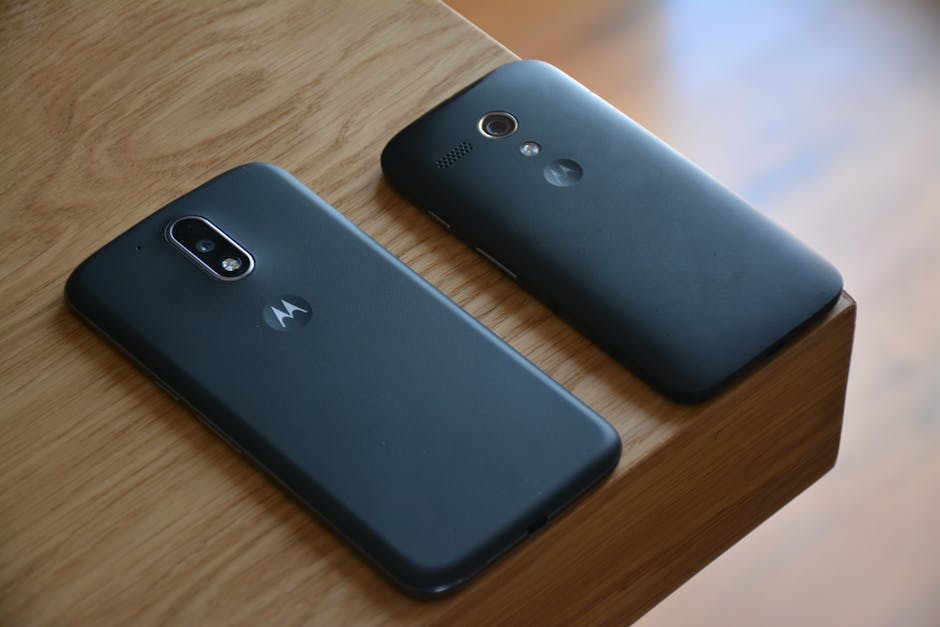
Anticipating the Apple Saboteur: Strategic Defense for Motorola Devices
The persistent threat of Apple’s integrated ecosystem, particularly its aggressive patent enforcement and market dominance, casts a long shadow over competitors like Motorola. For Motorola, a brand with a rich history of innovation in mobile telephony, navigating this competitive landscape requires a proactive and strategic approach to anticipate and counteract potential "sabotage." This isn’t merely about technological competition; it encompasses legal maneuvers, market access challenges, and the subtle erosion of user loyalty through platform lock-in. Motorola must continuously evolve its defensive strategies, not just to survive, but to thrive in a mobile industry increasingly shaped by Apple’s formidable influence. Understanding the multifaceted nature of this "sabotage" – be it through patent litigation, strategic partnerships that sideline rivals, or leveraging its vast app store and developer ecosystem – is paramount. This article will delve into the specific tactics Apple might employ and outline actionable defensive measures for Motorola.
One of the primary avenues through which Apple exerts pressure is its formidable intellectual property portfolio. Apple has a proven track record of aggressively litigating against competitors, using its patents as a weapon to disrupt market access, force product redesigns, or extract licensing fees. For Motorola, this translates into a constant need for robust patent defense and proactive intellectual property management. This involves a multi-pronged strategy: firstly, a meticulous review and strengthening of its own patent portfolio. This means not only filing for new patents on cutting-edge technologies but also strategically reinforcing existing patents to cover potential future innovations by competitors. Secondly, Motorola must invest in rigorous freedom-to-operate (FTO) analyses. Before launching new products or technologies, comprehensive FTO searches are crucial to identify potential patent infringements. This allows for early intervention, whether through design-around strategies, cross-licensing agreements, or, as a last resort, challenging the validity of the infringing patent. Thirdly, Motorola should actively monitor Apple’s patent filings and litigation activities. By understanding Apple’s IP strategy, Motorola can better anticipate potential future challenges and prepare its defenses in advance. This proactive monitoring can inform research and development efforts, steering them away from areas where Apple holds a particularly strong and litigious patent position. The goal is to create a defensive shield of IP that deters frivolous litigation and provides a strong foundation for negotiation should disputes arise. Furthermore, exploring strategic alliances with other technology companies that may also be targets of Apple’s IP enforcement can create a united front, sharing the burden of legal defense and potentially leveraging collective bargaining power.
Beyond the legal battlefield, Apple’s control over its hardware, software, and services creates a powerful ecosystem advantage that can indirectly disadvantage Motorola. This ecosystem lock-in, driven by seamless integration between iPhones, iPads, Apple Watches, and services like iCloud and the App Store, fosters immense user loyalty. When users invest heavily in Apple’s products, the switching cost to another platform, like Android (on which Motorola devices run), becomes a significant barrier. Motorola’s defense here lies in bolstering the Android ecosystem’s appeal and differentiating its offerings. This means not only leveraging the inherent openness of Android to offer greater customization and flexibility but also ensuring a consistently superior user experience. Motorola must focus on delivering hardware that is not only competitive in terms of specifications and design but also introduces unique features and innovations that capture user attention. This could involve advancements in camera technology, battery life, display quality, or even novel form factors. Equally important is optimizing the software experience. While Android offers a robust foundation, Motorola can enhance it through judicious customization – adding intuitive software features that genuinely improve usability without adding bloat. This differentiation can help attract users seeking an alternative to the more constrained Apple experience. Furthermore, fostering strong relationships with app developers is critical. A vibrant app ecosystem is a key differentiator, and Motorola can work with developers to ensure their applications perform optimally on Motorola devices and potentially explore exclusive or early access content opportunities. The goal is to make the Android experience on Motorola devices so compelling that the perceived cost of switching away from Apple becomes less of a deterrent.
Market access and strategic partnerships are another area where Apple can exert influence, often through its sheer market power and established relationships. Apple’s deep ties with major carriers and retailers globally provide it with prime placement, marketing support, and favorable sales terms. This can make it challenging for Motorola to secure similar advantages. Motorola’s counter-strategy involves cultivating its own strong, independent distribution channels and forging strategic alliances that bypass or complement Apple’s established networks. This could involve direct-to-consumer sales initiatives, building a robust online presence, and developing partnerships with emerging retailers or online marketplaces that are less dominated by Apple. Furthermore, Motorola can focus on specific market segments where Apple’s dominance is less pronounced or where its own strengths can be leveraged. This might include targeting developing markets, enterprise solutions, or niche consumer groups with specific needs that Apple doesn’t fully address. Diversifying its product portfolio beyond high-end smartphones to include a range of devices at different price points, and potentially exploring other connected device categories, can also reduce reliance on a single market segment. The key is to create multiple avenues for consumers to discover and purchase Motorola products, thereby mitigating the impact of Apple’s preferential treatment in certain established channels. Building brand loyalty through exceptional customer service and community engagement can also create a resilient customer base that actively seeks out Motorola products, irrespective of competitor influence.
The ongoing evolution of mobile technology presents both threats and opportunities. Apple, with its immense resources, can quickly adopt and popularize new technologies, setting industry standards and forcing competitors to play catch-up. For Motorola, staying ahead of this curve requires a strategic investment in research and development (R&D) and a keen understanding of emerging trends. This means not just reacting to what Apple is doing but proactively identifying and investing in next-generation technologies. This could include advancements in AI and machine learning for enhanced device intelligence, the development of more immersive augmented and virtual reality experiences, or leadership in 5G and future wireless communication technologies. Motorola needs to foster a culture of rapid innovation, allowing its R&D teams the freedom to explore novel concepts and develop them into compelling product features. Collaboration with academic institutions and emerging tech startups can also provide access to cutting-edge research and talent. Furthermore, Motorola should focus on delivering technologies that offer tangible benefits to users, not just incremental improvements. This means understanding user pain points and developing technological solutions that directly address them. For example, if battery life remains a significant concern for Android users, Motorola should prioritize breakthroughs in battery technology and power management. The goal is to not only keep pace with technological advancements but to lead in areas that truly differentiate its products and attract discerning consumers.
Finally, the intangible aspect of brand perception and consumer trust plays a significant role. Apple has cultivated a powerful brand image associated with premium quality, simplicity, and innovation. While Motorola has a heritage of innovation, it needs to actively rebuild and reinforce its brand narrative in the contemporary mobile landscape. This involves a concerted marketing and communications strategy that highlights Motorola’s strengths, its commitment to innovation, and its unique value proposition. This could involve storytelling that emphasizes its pioneering role in mobile communication, showcasing its current R&D efforts, and engaging with consumers on a personal level. Building a strong and active online community around the Motorola brand can foster loyalty and advocacy. Offering transparent communication about product development, addressing customer concerns openly, and providing excellent post-purchase support are crucial for building trust. Motorola should aim to position itself not just as a hardware manufacturer but as a brand that empowers users and provides meaningful technological experiences. This involves understanding the evolving desires of consumers and aligning the brand message with those aspirations. By consistently delivering high-quality products, innovative features, and a positive brand experience, Motorola can cultivate a loyal customer base that is less susceptible to the pervasive influence of a dominant competitor. The long-term success of Motorola hinges on its ability to anticipate the multifaceted "sabotage" from a powerful competitor and implement comprehensive, forward-thinking defensive strategies across intellectual property, ecosystem development, market access, technological innovation, and brand building.