

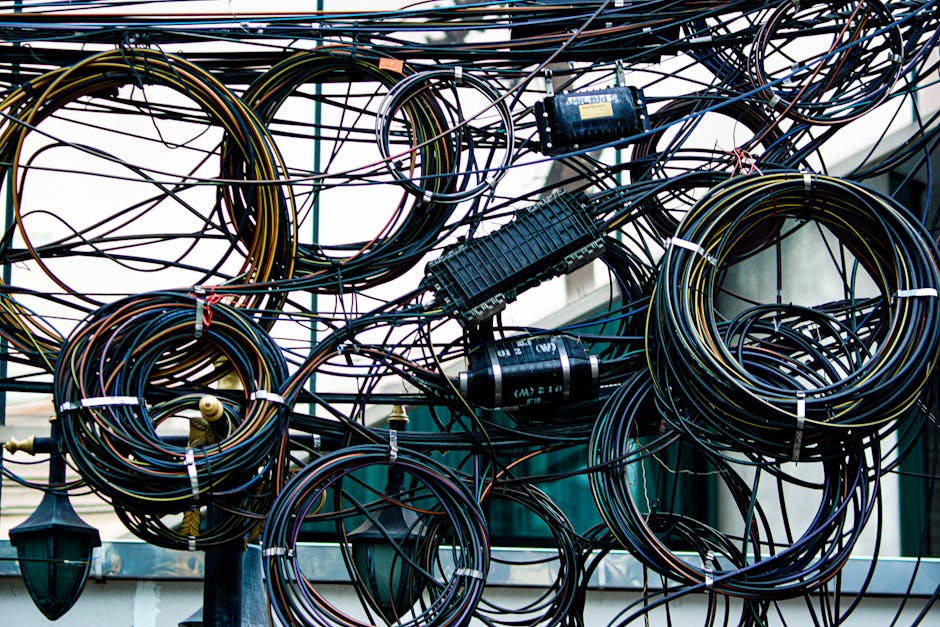
Obama Cautions Grads Against Getting Tangled in Tech: A Deep Dive into Digital Distraction and Real-World Engagement
Former President Barack Obama’s recent commencement address, urging graduates to avoid becoming "tangled up in technology," resonates deeply in an era defined by constant digital connectivity. This powerful admonition goes beyond a simple Luddite sentiment; it’s a call to action for a generation poised to shape the future, a generation whose formative experiences are inextricably linked to the digital realm. Obama’s words serve as a crucial reminder of the potential pitfalls of unbridled technological immersion and the vital importance of cultivating a robust, analog life. Understanding the implications of this caution requires a comprehensive examination of the pervasive influence of technology, its cognitive and social impacts, and actionable strategies for fostering balanced engagement.
The digital landscape, while offering unprecedented opportunities for connection, information access, and innovation, also presents a formidable array of distractions that can ensnare even the most diligent individuals. Social media algorithms, designed to maximize user engagement, create an environment of perpetual notifications and curated realities, fostering a cycle of comparison and validation-seeking. The constant stream of information, while seemingly beneficial, can lead to cognitive overload, diminishing our capacity for deep thinking, sustained attention, and critical analysis. This "tangled" state, as Obama describes it, isn’t merely about time spent online; it’s about the mental bandwidth consumed, the erosion of focus, and the potential for a disconnect from tangible experiences and genuine human interaction. For graduates entering the workforce and navigating the complexities of adult life, this mental clutter can impede their ability to problem-solve, innovate, and build meaningful relationships.
Obama’s caution also highlights the erosion of authentic human connection in favor of digital simulacra. While online platforms can facilitate initial contact and maintain distant ties, they often fall short in replicating the depth and nuance of in-person interactions. The subtle cues of body language, the shared experience of silence, the serendipitous encounters that spark creativity – these vital components of human connection are often absent or distorted in the digital space. Graduates, having grown up with digital communication as their primary mode of interaction, may find themselves more comfortable behind a screen, potentially hindering their development of essential social skills and their capacity for empathy. The "tangled" individual may struggle to navigate the complexities of in-person collaboration, conflict resolution, and the building of strong, supportive networks crucial for personal and professional growth.
The economic and societal implications of this technological entanglement are equally significant. A workforce overly reliant on digital tools without a grounding in critical thinking and problem-solving skills risks becoming less adaptable and innovative. The ability to engage in sustained, focused work, to wrestle with complex problems without immediate digital gratification, is an increasingly valuable asset. Moreover, a society that prioritizes virtual interactions over real-world engagement may experience a decline in civic participation, community involvement, and a broader sense of shared responsibility. Obama’s message is a prescient warning against a future where technological prowess outpaces human wisdom and where our ability to connect with each other and the world around us is compromised by the allure of the digital.
To effectively address Obama’s caution, it’s imperative to understand the psychological mechanisms at play. The dopamine feedback loops inherent in social media and gaming create addictive patterns, making it difficult to disengage. The fear of missing out (FOMO) compels constant checking, further reinforcing these habits. Our brains, seeking novelty and reward, are easily captivated by the ever-changing digital landscape, often at the expense of more challenging but ultimately more rewarding analog pursuits. This isn’t to demonize technology, but to recognize its potent ability to hijack our attention and influence our behavior, making conscious effort necessary to maintain balance. For graduates, this means understanding their own digital vulnerabilities and developing strategies to mitigate them.
The core of Obama’s advice lies in fostering a conscious and deliberate relationship with technology, rather than allowing it to dictate our lives. This involves cultivating digital literacy, which extends beyond mere technical proficiency to encompass an understanding of the ethical, social, and psychological implications of technology. Graduates need to be equipped with the critical thinking skills to discern credible information from misinformation, to understand the persuasive design of digital platforms, and to recognize when their digital engagement is becoming detrimental. This critical lens allows them to use technology as a tool, rather than be consumed by it.
Actionable strategies for graduates to avoid getting "tangled" are multifaceted. Prioritizing "deep work" – periods of uninterrupted concentration on cognitively demanding tasks – is essential. This may involve designating specific times for focused work, disabling notifications, and creating a conducive physical environment. Furthermore, cultivating analog hobbies and interests provides a vital counterpoint to digital immersion. Engaging in activities like reading physical books, playing musical instruments, hiking, gardening, or participating in community sports offers tangible rewards, fosters creativity, and promotes physical and mental well-being. These pursuits demand a different kind of engagement, one that is often slower, more deliberate, and deeply satisfying.
Intentional social interaction is another critical component. While social media can be a starting point, graduates should actively seek out opportunities for face-to-face interactions, fostering deeper connections and building stronger interpersonal skills. This could involve joining clubs, volunteering, attending local events, or simply making time for regular coffee dates or meals with friends and family. These experiences provide the rich tapestry of human connection that digital platforms, by their nature, struggle to fully replicate. The ability to navigate in-person conversations, to read social cues, and to offer genuine empathy are skills that require practice and intentionality.
Mindfulness and digital detox periods are also powerful tools. Practicing mindfulness allows individuals to become more aware of their thoughts, emotions, and behaviors, including their digital habits. This self-awareness can empower them to make more conscious choices about their technology use. Regularly scheduled digital detoxes, whether for a few hours, a day, or even a weekend, can provide a much-needed reset, allowing individuals to reconnect with themselves and their surroundings without the constant influx of digital stimuli. These breaks can improve focus, reduce stress, and foster a greater appreciation for the non-digital world.
For employers and educators, fostering an environment that supports balanced technology use is also crucial. Encouraging deep work, promoting digital well-being initiatives, and valuing offline contributions can help graduates develop healthy habits from the outset of their careers. A workplace that recognizes the importance of human connection and creative problem-solving, independent of constant digital input, will ultimately foster a more innovative and resilient workforce. Similarly, educational institutions can integrate discussions about digital citizenship, responsible technology use, and the benefits of analog engagement into their curricula.
Ultimately, Obama’s caution to graduates is not a rejection of technology, but a plea for discernment and balance. The digital age offers immense possibilities, but its unchecked influence can lead to a disengaged and superficial existence. By understanding the allure and the potential pitfalls of technology, and by actively cultivating a rich and engaging analog life, graduates can harness the power of digital tools while remaining grounded in the tangible realities that shape fulfilling and meaningful lives. The challenge for this generation is to navigate the digital frontier with wisdom, to use technology as a powerful amplifier of their potential, rather than allowing themselves to become entangled in its ever-present web. This requires a conscious effort, a commitment to critical thinking, and a deep appreciation for the enduring value of human connection and real-world experience. The future, shaped by these graduates, will be defined by their ability to strike this crucial balance, ensuring that technology serves humanity, rather than the other way around.












No comments yet. Be the first to join the conversation!