Army To Enlist Smartphones For Active Duty
Army to Enlist Smartphones for Active Duty
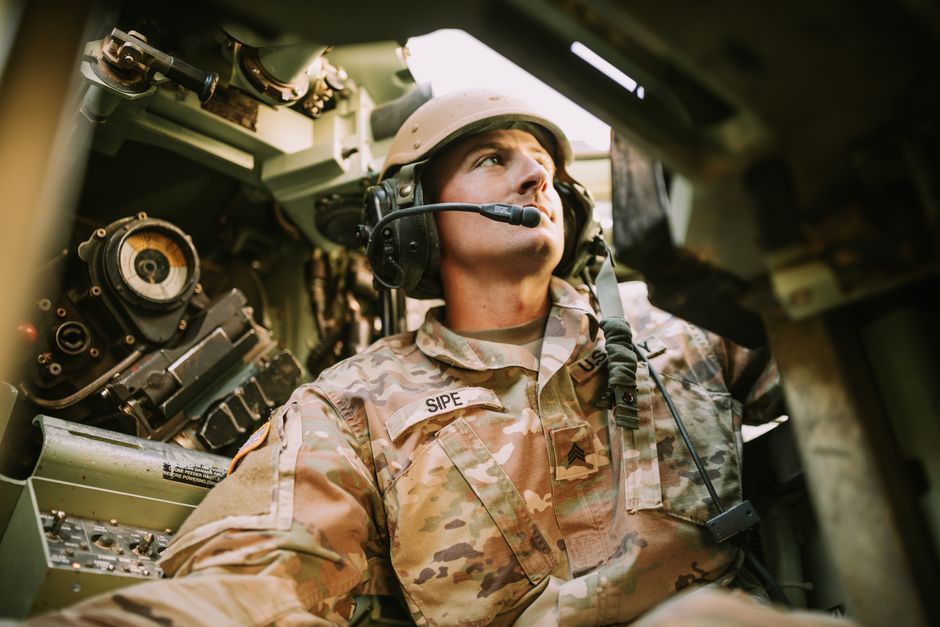
The United States Army is undergoing a fundamental technological paradigm shift, moving beyond specialized, bulky, and often outdated communication and computing devices to embrace the ubiquitous and powerful smartphone. This strategic pivot signifies a monumental leap forward in soldier modernization, promising enhanced battlefield awareness, streamlined communication, increased operational efficiency, and improved soldier welfare. The rationale behind this transition is multifaceted, driven by the need to leverage existing consumer technology, reduce logistical burdens, and equip soldiers with tools that mirror their civilian lives while delivering superior military capabilities. The integration of smartphones is not merely about providing soldiers with a familiar interface; it’s about unlocking a wealth of integrated hardware and software functionalities that can be adapted and optimized for the demanding environment of active duty. This initiative represents a significant investment in the future of warfare, aiming to create a more agile, connected, and lethal fighting force capable of operating effectively in the complex and rapidly evolving modern battlespace.
The primary driver for the Army’s embrace of smartphones is the inherent power and versatility of these devices, coupled with their rapidly declining cost of acquisition. Modern smartphones, even at consumer-grade pricing, boast processing power, high-resolution displays, multiple cameras, GPS receivers, accelerometers, gyroscopes, and robust wireless connectivity (Wi-Fi, Bluetooth, cellular). These capabilities, when harnessed and secured for military applications, offer a significant upgrade over many legacy systems. Historically, the military has relied on specialized, ruggedized devices that are often prohibitively expensive, take years to develop and field, and can become obsolete by the time they reach troops. By leveraging the commercial off-the-shelf (COTS) smartphone market, the Army can access cutting-edge technology much faster and at a fraction of the cost. This accelerated acquisition cycle allows for more frequent hardware refreshes, ensuring soldiers are equipped with the most advanced tools available. Furthermore, the sheer volume of smartphone production by major manufacturers drives down unit costs and fosters a competitive market that continuously pushes innovation. This is not a superficial adoption; it’s a strategic decision to integrate a powerful, adaptable platform into the core of soldier systems.
The operational benefits of equipping soldiers with smartphones are profound and far-reaching. At the forefront is enhanced situational awareness. Through dedicated military applications, smartphones can serve as robust command and control (C2) nodes, displaying real-time maps, troop locations, friendly force tracking (FFT), and enemy intelligence overlays. This allows commanders to have a clearer picture of the battlefield and make more informed decisions rapidly. Soldiers can receive dynamic updates on their location and the disposition of friendly and enemy forces, reducing fratricide risk and improving maneuverability. Furthermore, the integrated GPS and mapping capabilities facilitate navigation in complex terrain and urban environments, reducing reliance on paper maps and traditional compasses. The camera functionality can be utilized for reconnaissance, intelligence gathering, and battle damage assessment, with images and videos being instantly transmitted to higher echelons for rapid analysis. This immediate feedback loop drastically shortens the OODA (Observe, Orient, Decide, Act) loop, giving the Army a critical advantage in time-sensitive operations. The ability to access and disseminate information directly from the front lines in near real-time transforms the traditional intelligence dissemination model from a top-down, often delayed process to a more fluid, distributed, and immediate exchange of critical data.
Communication is another area where smartphones offer a transformative advantage. While the Army maintains its robust strategic communication networks, smartphones provide a complementary layer of tactical communication, enabling seamless voice and data exchange between soldiers, fireteams, and platoons. This can include secure instant messaging, voice-over-IP (VoIP) calls, and the ability to share multimedia messages. Dedicated military messaging applications, built on secure protocols, can bypass traditional radio channels, offering a more resilient and discreet form of communication. In situations where traditional radio communication is jammed or compromised, or in dense urban environments where radio waves struggle to penetrate, the cellular or Wi-Fi capabilities of smartphones can provide an alternative communication pathway. This layered communication approach enhances network redundancy and survivability, ensuring that critical information can always reach its intended recipient. The familiarity of smartphone interfaces also reduces the training burden associated with learning new communication devices, allowing soldiers to become proficient with these tools more quickly. This rapid proficiency translates directly to increased operational readiness.
Beyond tactical applications, smartphones are poised to revolutionize logistics and administrative functions. Soldiers can use their devices to access digital manuals, training materials, and maintenance logs. This reduces the weight and bulk of carrying extensive physical documentation. Furthermore, the ability to submit reports, request supplies, and manage personnel information directly from the field streamlines bureaucratic processes, freeing up valuable time for combat operations. Imagine a soldier being able to digitally submit a request for resupply of ammunition or water, complete with location data and quantity, directly from their smartphone, rather than having to radio it in or wait for a resupply convoy. This efficiency gain, when aggregated across thousands of soldiers, can have a significant impact on operational tempo and resource management. The integration of mobile applications for medical reporting and casualty tracking can also expedite the evacuation and treatment of wounded personnel, a critical factor in battlefield survivability. Furthermore, the potential for integration with future networked systems means that soldiers can provide real-time feedback on equipment performance, maintenance issues, and even environmental conditions, contributing to a more adaptive and responsive logistical support structure.
The security implications of deploying smartphones in a military context are paramount and have been a central focus of the Army’s integration strategy. Recognizing that consumer-grade devices are not inherently secure for military operations, the Army is implementing robust security measures. This includes the development and deployment of hardened operating systems, encrypted communication channels, multi-factor authentication, and dedicated mobile device management (MDM) solutions. Applications are vetted and certified for military use, ensuring they meet stringent security standards and do not contain vulnerabilities. The use of secure enclaves within the smartphone’s hardware provides an additional layer of protection for sensitive data. The Army is also exploring the use of secure SIM cards and dedicated military networks to further enhance the security posture of these devices. The principle of “security by design” is being applied, meaning that security considerations are integrated from the initial stages of application development and device selection, rather than being an afterthought. This comprehensive approach aims to mitigate risks associated with data breaches, unauthorized access, and cyber-attacks, ensuring that the operational advantage gained through smartphone integration is not undermined by security vulnerabilities. The focus is on creating a secure ecosystem where the powerful capabilities of smartphones can be leveraged without compromising the integrity of military information and operations.
The transition to smartphones also presents significant opportunities for soldier welfare and training. Beyond operational tasks, smartphones can be utilized for communication with family, access to morale-boosting entertainment, and even mental health resources. Maintaining morale and connection to home is crucial for soldier well-being, especially during extended deployments. Furthermore, smartphones can serve as platforms for innovative training programs. Augmented reality (AR) and virtual reality (VR) applications, delivered through smartphone integration with compatible headsets, can provide immersive and realistic training scenarios, allowing soldiers to practice complex skills in a safe and controlled environment. This can include everything from vehicle maintenance and tactical drills to medical procedures. The ability to access on-demand training modules and simulations at any time and in any location democratizes learning and allows soldiers to progress at their own pace. This personalized approach to training can lead to higher levels of proficiency and faster skill acquisition, ultimately benefiting both the individual soldier and the overall combat effectiveness of the force. The shift towards a digitally enabled learning environment is a fundamental change that can have lasting positive impacts on soldier development and retention.
The concept of a “soldier as a sensor” is a key tenet of modern warfare, and smartphones are instrumental in realizing this vision. Every soldier equipped with a smartphone becomes a potential data point, contributing to a distributed sensor network. This network can collect and transmit a vast array of information, including environmental data (temperature, humidity), acoustic signatures, and even chemical or biological agent detection through specialized attachments. This real-time data stream provides commanders with unprecedented insights into the operational environment, allowing for proactive decision-making and threat mitigation. The ability to correlate data from multiple soldiers and sensors creates a more comprehensive and accurate understanding of the battlespace than ever before. This distributed intelligence gathering capability is a significant force multiplier, enabling smaller units to conduct more effective operations and gain a decisive advantage over adversaries who rely on more traditional, centralized intelligence collection methods. The smartphone, in this context, transforms from a personal communication device into an integral component of a sophisticated battlefield information system.
The strategic implementation of smartphones for active duty is not a singular event but an ongoing evolutionary process. The Army is continuously evaluating new hardware, software, and security protocols to adapt to the rapidly changing technological landscape. Pilot programs and field tests are essential for identifying the most effective applications and ensuring that these devices are resilient and reliable in diverse operational environments. The lessons learned from these deployments will inform future iterations of the program, ensuring that the Army remains at the forefront of technological innovation. The long-term vision is to create a fully integrated digital soldier system where smartphones act as a central hub, seamlessly connecting to other wearable technologies, dismounted soldier systems, and even vehicle-based platforms. This interconnected ecosystem will enable unprecedented levels of data sharing, communication, and operational coordination, further enhancing the Army’s ability to project power and achieve its objectives in the 21st century. The commitment to continuous improvement and adaptation is crucial for maintaining a technological edge in an era of rapid change.
The financial implications of this strategic shift are also significant and generally favorable. While initial investments in secure software development, network infrastructure, and training are substantial, the long-term cost savings are expected to outweigh these expenditures. By leveraging COTS hardware, the Army avoids the exorbitant development costs associated with custom military-grade electronics. The reduced reliance on specialized, often short-lived equipment also translates to lower maintenance and lifecycle support costs. Furthermore, the increased efficiency and reduced operational errors facilitated by smartphone integration can lead to significant cost avoidance in terms of wasted resources, extended mission durations, and reduced personnel fatigue. The ability to rapidly field upgraded technology also minimizes the risk of obsolescence and the associated costs of replacing outdated equipment. This fiscal prudence ensures that taxpayer dollars are utilized more effectively, allowing for greater investment in other critical areas of military modernization. The economic argument for this technological transition is as compelling as the operational one.