

Virtualization: The Bulletproof Backbone of Modern Disaster Recovery
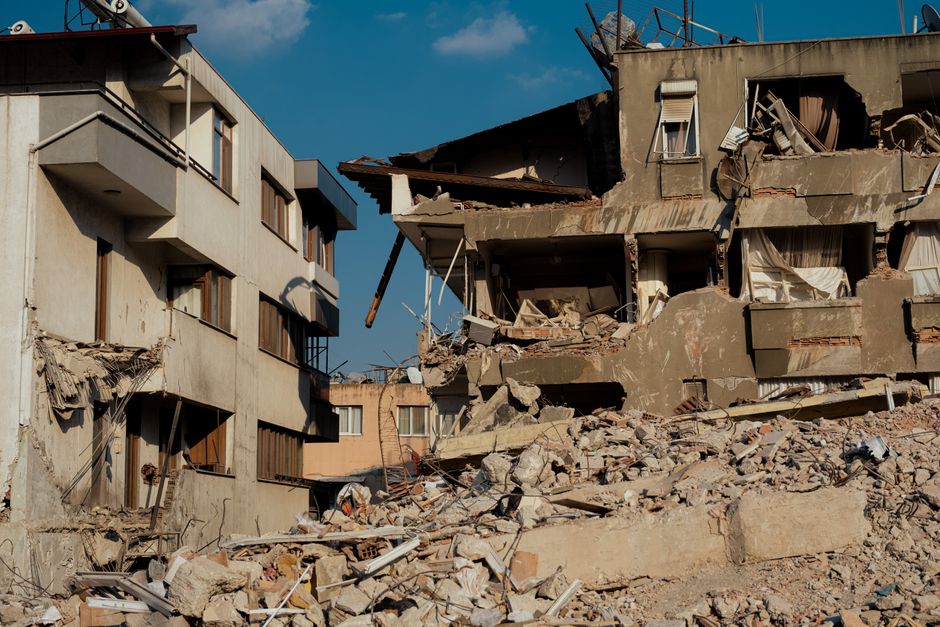
Disaster recovery (DR) is no longer an optional IT strategy; it’s a critical business imperative. Organizations face a constant barrage of potential disruptions, from natural disasters and cyberattacks to hardware failures and human error. Without a robust DR plan, the consequences can be catastrophic: prolonged downtime, significant data loss, reputational damage, and ultimately, financial ruin. Virtualization, a technology that decouples hardware from operating systems and applications, has emerged as the cornerstone of modern, effective disaster recovery. Its inherent flexibility, scalability, and cost-efficiency provide an unparalleled foundation for building resilient and rapidly recoverable IT infrastructures. This article explores how virtualization bulletproofs disaster recovery plans by examining its core benefits, key architectural considerations, and practical implementation strategies.
The foundational advantage of virtualization in DR lies in its abstraction layer. Instead of being tied to specific physical hardware, virtual machines (VMs) are essentially software-defined entities. This means a VM, encompassing its operating system, applications, and data, can be easily moved, copied, or replicated to different physical hardware. This portability is paramount for DR. In the event of a primary site failure, recovery is not about replacing failed hardware; it’s about restoring or activating the pre-configured VMs on available infrastructure at a secondary site. This significantly reduces recovery time objectives (RTOs) and recovery point objectives (RPOs), two critical metrics in any DR plan. RTO, the maximum acceptable downtime, is drastically shortened because the VMs are already present and configured, often requiring only a simple power-on command. RPO, the maximum acceptable amount of data loss, is minimized through continuous replication and snapshotting capabilities inherent in virtualization platforms.
Virtualization also inherently supports high availability (HA) and fault tolerance (FT). HA ensures that if a physical host fails, the VMs running on it are automatically restarted on other available hosts within the same data center. This prevents even short bursts of downtime for individual servers. FT takes this a step further by maintaining a live, synchronized copy of a VM on a separate host. If the primary VM or its host fails, the secondary VM immediately takes over with no discernible interruption. While FT can be resource-intensive and is typically reserved for mission-critical applications, HA is a standard feature in most enterprise virtualization solutions and forms a crucial layer of resilience within the primary data center, reducing the number of events that would even necessitate a full DR failover.
The ease of creating and managing backups is another significant benefit. Virtualization platforms offer sophisticated snapshotting capabilities, allowing for point-in-time copies of VMs to be taken with minimal performance impact. These snapshots can be stored locally or, more importantly for DR, replicated to a remote location. Furthermore, the backup process itself is simplified. Instead of backing up individual physical servers with their complex configurations, administrators can back up entire VMs as single files or collections of files. This streamlined approach reduces complexity and the potential for human error during backup operations. Deduplication and compression technologies, often integrated into virtualization backup solutions, further reduce storage requirements and network bandwidth consumption, making remote backups more efficient.
For disaster recovery planning, the concept of a "golden image" is invaluable. Administrators can create a highly optimized and standardized VM template that includes the operating system, essential applications, and security configurations. This golden image can then be deployed rapidly to create new VMs during a recovery scenario. Instead of rebuilding servers from scratch on new hardware, organizations can spin up these pre-configured VMs from their golden image, significantly accelerating the recovery process and ensuring consistency across recovered systems. This is particularly useful for stateless applications or for environments where rapid scaling is required post-disaster.
The economic advantages of virtualization for DR are undeniable. Implementing a physical DR site can be prohibitively expensive, requiring duplicate hardware, power, cooling, and network infrastructure. Virtualization drastically reduces this cost by allowing organizations to consolidate their DR infrastructure. Instead of a full-scale duplicate data center, a smaller, less costly physical site can host the necessary infrastructure to run a scaled-down version of the production environment or simply to house the replicated VM data. This "pay-as-you-grow" model associated with virtualization allows businesses to scale their DR capabilities as their needs evolve without massive upfront capital expenditures. Furthermore, the reduced physical footprint translates to lower operational costs in terms of power, cooling, and real estate.
Replication is the cornerstone of active-passive and active-active DR strategies enabled by virtualization. Asynchronous replication sends VM data changes to the secondary site with a slight delay, ensuring minimal impact on production performance. Synchronous replication, while demanding higher bandwidth and lower latency, provides near-zero data loss by ensuring that data is written to both the primary and secondary sites simultaneously before the transaction is acknowledged. Virtualization platforms often offer built-in replication engines or integrate seamlessly with specialized replication software. This allows for granular control over replication policies, including frequency, bandwidth throttling, and network traffic management, optimizing for both recovery objectives and network utilization.
VMware’s Site Recovery Manager (SRM) is a prime example of a virtualization-centric DR solution. SRM automates the orchestration of disaster recovery plans. It allows administrators to define recovery plans that include the order in which VMs should be powered on, network configuration changes, and application dependencies. In the event of a disaster, SRM can execute these pre-defined plans with a few clicks, automating complex failover processes and significantly reducing manual intervention, which is prone to error under stressful DR situations. Similar orchestration tools exist for other virtualization platforms like Microsoft Hyper-V with Azure Site Recovery and other cloud-based DRaaS (Disaster Recovery as a Service) offerings.
The ability to perform regular DR testing is crucial for validating the effectiveness of any DR plan. Virtualization simplifies this process immensely. Organizations can conduct non-disruptive DR tests by spinning up replicated VMs in an isolated network environment at the DR site. This allows them to verify that applications function correctly, data integrity is maintained, and RTOs can be met without impacting the production environment. These frequent, low-impact tests build confidence in the DR plan and allow for continuous improvement. Traditional DR testing, involving physical hardware and manual reconfiguration, is often disruptive, time-consuming, and performed infrequently, leading to outdated and unreliable DR capabilities.
Cloud-based DR solutions leverage virtualization extensively. Organizations can replicate their on-premises VMs to a cloud provider’s infrastructure. In the event of a disaster, they can then spin up their VMs in the cloud, providing a flexible and scalable DR solution without the need for maintaining a secondary physical site. This "DRaaS" model offers significant cost savings and agility, allowing businesses to adapt quickly to changing business needs and recover from disasters with minimal capital investment. Cloud providers offer robust virtualization platforms and managed services that simplify the deployment and management of DR environments.
Furthermore, virtualization fosters a culture of IT resilience. By abstracting critical IT components and enabling rapid recovery, it empowers organizations to build more robust and adaptable systems. The ease of experimentation and deployment inherent in virtualization encourages proactive planning and testing, shifting the focus from reactive damage control to proactive risk mitigation. This mindset, coupled with the technical capabilities of virtualization, creates a truly bulletproof disaster recovery strategy.
The transition from physical to virtualized environments for DR is not without its considerations. Network bandwidth for replication, storage capacity at the DR site, and the expertise of IT staff to manage virtualized DR solutions are all important factors. However, the benefits of enhanced agility, reduced costs, faster recovery times, and improved resilience overwhelmingly outweigh these considerations. In conclusion, virtualization is not just a component of disaster recovery; it is the indispensable technology that allows businesses to build truly bulletproof plans, ensuring business continuity and minimizing the impact of disruptive events.







No comments yet. Be the first to join the conversation!