Facebook Fights California Privacy Bill
Facebook spearheads resistance to tough california privacy bill – Facebook spearheads resistance to a tough California privacy bill, sparking a heated debate about consumer rights and the future of data collection. This bill, with its potential impact on businesses beyond Facebook, aims to redefine how companies handle personal information. The proposed regulations, drawing on the California Consumer Privacy Act (CCPA), are expected to set a new precedent for data privacy in the US.
But Facebook, alongside other tech giants, argues that the bill’s strict provisions will have significant economic repercussions.
The bill’s key provisions, as detailed in the California legislation, are at the heart of the controversy. Facebook argues these regulations could hinder its ability to operate effectively. The potential ripple effects on other tech companies and the broader implications for online advertising are also being closely examined. This conflict promises to be a defining moment in the ongoing discussion about balancing consumer rights with the needs of businesses, especially in the tech sector.
Background of the California Privacy Bill
The California Consumer Privacy Act (CCPA) emerged as a landmark piece of legislation aiming to empower consumers with greater control over their personal data. Initially enacted in 2018, the CCPA granted consumers rights regarding their personal information held by businesses. Since then, the landscape of consumer privacy has evolved, leading to various interpretations and proposed amendments. This evolution has resulted in a new bill, and Facebook’s opposition to certain provisions reflects the complex interplay between consumer rights and business operations.
History of the California Consumer Privacy Act (CCPA)
The CCPA was a pioneering effort to address the growing concern over consumer data privacy in the digital age. It established key rights for California consumers, including the right to know what personal information businesses hold about them, the right to delete that information, and the right to opt out of the sale of their personal information. Subsequent legal interpretations and practical applications of the CCPA have shaped the understanding of these rights and their implications for businesses.
Key Provisions of the Proposed Bill that Facebook Opposes
Facebook has voiced concerns about specific provisions in the proposed bill that go beyond the existing CCPA. These concerns center on issues such as the broad definition of personal information, the scope of the right to delete, and the enforcement mechanisms. The proposed legislation may impose stricter obligations on businesses, demanding more detailed disclosures and potentially higher costs for compliance.
Furthermore, the expanded reach of the proposed bill could affect businesses beyond the tech sector.
Potential Impacts on Businesses Beyond Facebook
The proposed bill’s implications extend beyond Facebook, impacting a wide range of businesses. Smaller companies may face significant challenges in adapting to the new regulations, potentially leading to increased compliance costs and administrative burdens. Industries reliant on data analysis, such as marketing and advertising, might see shifts in their operating models. This is especially relevant given the interconnectedness of data in many sectors.
Businesses operating across state lines could also be affected, as they would need to comply with both state and federal regulations.
Different Interpretations of Consumer Rights
Consumer rights regarding personal data are not universally agreed upon. Different interpretations arise from differing perspectives on the balance between individual freedoms and business operations. Some argue that strict regulations are essential to safeguard consumer privacy, while others contend that overly burdensome rules can hinder innovation and economic growth. The ongoing debate highlights the need for a nuanced approach that considers both consumer protection and business viability.
Summary of Key Differences Between Privacy Regulations
| Regulation | Key Provisions | Scope | Enforcement |
|---|---|---|---|
| California Consumer Privacy Act (CCPA) | Right to know, right to delete, right to opt-out of sale | Businesses collecting California residents’ personal information | State Attorney General |
| Proposed Bill | Broader definition of personal information, expanded right to delete, stricter enforcement | Potentially broader scope than CCPA | Likely stronger enforcement mechanisms |
| Other State Laws | Vary widely in scope and provisions | Specific to individual states | State-specific enforcement mechanisms |
The table above illustrates the differing scopes and enforcement mechanisms of various privacy regulations. Understanding these nuances is critical to appreciating the potential impacts of proposed legislation.
Facebook’s Stance and Arguments

Facebook, a dominant player in the digital sphere, has voiced concerns regarding the California Consumer Privacy Act (CCPA) and its potential implications. The company’s opposition centers on the perceived breadth and practical challenges of the legislation. Their arguments highlight potential financial burdens and difficulties in implementing the law’s provisions.
Facebook’s Concerns Regarding the Bill, Facebook spearheads resistance to tough california privacy bill
Facebook’s primary concerns revolve around the significant administrative and operational costs associated with complying with the CCPA. The bill mandates extensive data disclosures, access requests, and deletion procedures. This complex framework demands substantial resources for data mapping, policy updates, and technical infrastructure upgrades. These actions can negatively affect the company’s operational efficiency and profitability.
Potential Economic Consequences
The passage of the CCPA could have substantial financial ramifications for Facebook. The company’s business model heavily relies on data collection and analysis. Increased compliance costs and the potential for reduced user data collection could directly impact revenue streams, advertising targeting, and user engagement. For instance, if the cost of compliance for advertising targeting becomes excessively high, Facebook might adjust pricing, potentially impacting its bottom line and affecting its ability to compete.
Comparison with Consumer Advocacy Groups
Consumer advocacy groups generally champion the CCPA, emphasizing its benefits for user privacy and data protection. They argue that the legislation empowers consumers to have greater control over their personal information. The contrasting viewpoints underscore the inherent tension between corporate interests and consumer rights in the digital age. These groups frequently highlight instances where user data has been misused, arguing that the CCPA’s provisions are essential to preventing future abuses.
Anticipated Legal Challenges
Facebook anticipates facing legal challenges in interpreting and implementing the CCPA. The complexities of the law, particularly concerning data portability and scope of data categories, might lead to legal disputes over interpretation. For example, defining what constitutes “personal information” could create ambiguities and potential litigation. These challenges can result in protracted legal battles, creating uncertainty and potential operational disruptions.
Different Viewpoints on the Bill’s Impact
| Aspect | Facebook’s View | Consumer Advocacy Groups’ View |
|---|---|---|
| Data Collection | Reduced data collection could hinder targeted advertising and personalization features, impacting revenue and user experience. | Increased control over data allows users to decide how their information is used, promoting privacy and trust. |
| Compliance Costs | Significant compliance costs will impact profitability and potentially lead to price increases for users. | Protecting user data is crucial, even if it entails some financial burden on companies. |
| User Privacy | The bill’s provisions could inadvertently impede innovation and create complexities in data analysis. | The bill provides a critical framework to protect user privacy, fostering a more secure online environment. |
Potential Impacts on the Tech Industry
The California Consumer Privacy Act (CCPA) represents a significant shift in data privacy regulations, potentially impacting the tech industry’s operations and future strategies. This legislation, if implemented fully, could force a fundamental reevaluation of how tech companies collect, use, and share user data. The ripple effects are likely to extend beyond California’s borders, affecting businesses nationwide and potentially altering the global tech landscape.The implications for other tech companies are substantial, extending beyond the social media sector.
Companies that rely heavily on user data for targeted advertising, personalized services, and business models face significant challenges in adapting to the new requirements. The act forces a crucial reassessment of their current practices, including data collection policies, transparency standards, and the overall customer experience.
Ripple Effects on Other Tech Companies
The potential for widespread adoption of similar legislation across the US is a major concern for tech companies. If other states follow California’s lead, the industry will face a fragmented regulatory environment, making compliance increasingly complex and costly. This could lead to a decrease in the use of data-driven technologies and potentially hinder innovation. The current landscape of data privacy varies greatly between states, and this legislation could establish a precedent for stricter regulation in the future.
This creates a scenario where businesses must navigate a patchwork of regulations across different jurisdictions, adding considerable administrative overhead.
Likely Responses of Other Social Media Platforms
Other social media platforms will likely respond to similar legislation in various ways. Some may adopt similar privacy policies and practices as Facebook, while others may choose different strategies, such as focusing on specific niche markets or user bases with less stringent regulations. They may also invest heavily in compliance teams to navigate the legal complexities and implement robust privacy measures.
This response will likely depend on the specific platform’s business model and user base.
Alteration of the Future of Data Privacy in the US
The CCPA could alter the future of data privacy in the US by setting a new standard for data protection. The legislation’s emphasis on consumer control over their data could inspire further legislation at the state and federal levels. The increasing focus on user rights could lead to a paradigm shift in how businesses operate, with a greater emphasis on transparency and user consent.
This will likely involve a change in how businesses approach data collection and utilization, emphasizing user rights and transparency.
Examples of Approaches to Similar Issues in Other States
Several states have already considered or enacted legislation addressing data privacy concerns. Vermont’s Act 161, for example, provides residents with specific rights regarding their data. The Virginia Consumer Data Protection Act (VCDPA) is another example of a state-level effort to establish data protection standards. The varying approaches among states highlight the complexity of balancing data protection with business interests.
Comparison of Data Privacy Approaches
| State | Key Approach | Specific Features |
|---|---|---|
| California | Consumer-centric, comprehensive rights | Strong consumer rights, broad data categories, and clear enforcement mechanisms. |
| Vermont | Individual control over data | Focus on individual control over data sharing, with specific rights and mechanisms for data access. |
| Virginia | Balancing consumer rights and business needs | Combines consumer rights with consideration for businesses, aiming for a more practical approach. |
| Other States (e.g., Colorado, Connecticut) | Varying levels of regulation | Specific regulations that focus on certain aspects of data privacy. |
This table illustrates the varying degrees of data privacy regulation across states. California’s comprehensive approach stands out, but other states have their own unique strategies. The diverse landscape underscores the challenges and opportunities for businesses navigating this evolving legal environment.
Public Perception and Debate
The California Privacy Rights Act (CPRA) sparked a heated public debate, particularly regarding Facebook’s opposition. Public opinion on data privacy is multifaceted, ranging from strong support for consumer rights to concerns about the potential impact on businesses and the economy. This complex landscape shaped the discourse around the bill and Facebook’s stance, making it a critical factor in the outcome of the legislation.
Public Discourse Surrounding the Bill and Facebook’s Opposition
Facebook’s public statements regarding the CPRA highlighted concerns about the bill’s potential impact on its business model, arguing that the stringent regulations would hinder its ability to operate effectively and deliver value to its users. The company emphasized its existing privacy protections and the need for a more balanced approach. This opposition, while understandable from a business perspective, further fueled the public debate and created a divide between tech giants and consumer advocates.
Different Public Viewpoints Regarding Data Privacy
Public sentiment on data privacy is a complex spectrum. Some strongly advocate for robust consumer protections, emphasizing the importance of control over personal information. Others are concerned about the potential economic repercussions of strict regulations, fearing that they might stifle innovation and job creation in the tech sector. There are also those who remain neutral, viewing the issue with cautious optimism, waiting to see how the CPRA plays out in practice.
Examples of Public Statements and Opinions on the Issue
Numerous public figures and organizations voiced their opinions on the CPRA and Facebook’s stance. For instance, consumer advocacy groups publicly praised the bill, viewing it as a significant step towards enhancing consumer rights. On the other hand, some business organizations expressed concerns about the potential costs and complexities of compliance, potentially impacting their profitability. News articles and social media posts further amplified the debate, reflecting the wide range of opinions on the issue.
Role of Lobbying and Advocacy in Shaping the Debate
Lobbying efforts significantly influenced the discussion surrounding the CPRA. Tech companies, like Facebook, invested heavily in lobbying campaigns to advocate for their perspective. These efforts, combined with the public statements of consumer groups, created a dynamic exchange of arguments and counterarguments, shaping the final outcome of the bill.
Frequency and Tone of Media Coverage
| Time Period | Frequency of Coverage | Tone of Coverage |
|---|---|---|
| Pre-Bill Passage | High | Mixed; both supportive and critical of the bill |
| During Bill Passage | Very High | More focused on the impact of the bill on Facebook; largely negative for Facebook, largely positive for consumer groups |
| Post-Bill Passage | Moderate | Mixed; discussions on compliance and implementation, with some discussions on Facebook’s future strategy |
The table above illustrates the fluctuation in media coverage of the CPRA. The initial phase was characterized by a high frequency of coverage, reflecting the early stages of the debate. The tone was often mixed, with media outlets reporting both the arguments in favor and against the legislation. During the bill’s passage, media coverage surged, with a focus on the potential impact on Facebook, often portrayed negatively, and positively for consumer groups.
Facebook’s resistance to California’s new privacy bill is raising some eyebrows, and it got me thinking about the bigger picture. Are we truly aware of how our constant connection to tech platforms like Facebook might be impacting our overall well-being? Digging deeper into this, I found a fascinating Q&A session with Jane Velez Mitchell on the topic of tech addiction and its potential for spiritual bankruptcy, which you can check out here: the tech addicts road to spiritual bankruptcy qa with jane velez mitchell.
Maybe this resistance to privacy reform is just another example of prioritizing profits over people’s digital well-being, a topic that is certainly worth further exploration. It makes you wonder if this battle is just one part of a much larger struggle for balance between our digital lives and our true selves.
Post-passage, the frequency decreased, shifting towards discussions on the implementation and practical implications of the law.
Potential Solutions and Alternatives: Facebook Spearheads Resistance To Tough California Privacy Bill
Navigating the complexities of data privacy regulation requires a nuanced approach. Simply opposing a bill like California’s, or rigidly adhering to a single position, often misses the mark. A more productive path involves exploring compromise strategies, alternative regulatory models, and the potential for industry-wide standards. This allows businesses to adapt to the changing landscape while maintaining operational effectiveness and user trust.The California Privacy Rights Act (CPRA) presents a significant challenge for tech giants like Facebook, forcing a re-evaluation of data collection and usage practices.
Finding common ground between the state’s stringent regulations and the industry’s existing business models is crucial. This section explores potential solutions, focusing on compromise, alternative regulations, and industry collaboration.
Potential Compromise Strategies
Finding common ground between Facebook and the state necessitates a pragmatic approach. Compromise strategies involve identifying areas of mutual benefit and crafting solutions that address both privacy concerns and business realities. For instance, Facebook could offer enhanced transparency in data usage, while the state could adjust the scope of regulations to accommodate reasonable business needs. This could involve negotiated exemptions for certain data types or categories, or the establishment of clear timelines for compliance.
Alternative Approaches to Regulating Data Privacy
The California Privacy Rights Act represents a specific regulatory approach. Alternative models could focus on a tiered system of regulations based on data sensitivity or user engagement. This approach could provide flexibility for businesses, adapting regulations to the particular context of data use. Another approach involves incorporating user consent mechanisms into the regulatory framework, giving users greater control over their data.
Potential for Industry-Wide Standards
Industry-wide data privacy standards could offer a framework for consistent practices across the board. This approach would reduce regulatory burdens and foster innovation by promoting predictability. For example, a standardized approach to data encryption, anonymization, and user consent mechanisms could create a baseline for compliance.
Ways Businesses Can Adapt to Changing Privacy Regulations
Adapting to changing privacy regulations necessitates a proactive approach. Businesses must invest in robust data governance frameworks, ensuring compliance with existing and emerging regulations. This includes training employees on data privacy protocols, implementing comprehensive data security measures, and establishing clear communication channels with users. Furthermore, businesses can proactively engage with regulators, advocating for solutions that accommodate their needs and promote a sustainable approach to data privacy.
Table of Solutions to Data Privacy Concerns
| Solution | Pros | Cons |
|---|---|---|
| Negotiated Exemptions | Allows businesses flexibility, addresses specific needs. | Could lead to uneven application of regulations, potentially increasing disparity. |
| Tiered Regulations | Provides tailored regulations based on data sensitivity. | Requires clear criteria for defining tiers, may not address all concerns adequately. |
| User Consent Mechanisms | Empowers users, promotes transparency. | Can be complex to implement, may lead to decreased data collection. |
| Industry-Wide Standards | Promotes consistency, reduces regulatory burden. | Requires broad consensus, may not be sufficient to address all unique contexts. |
| Proactive Data Governance | Ensures ongoing compliance, enhances user trust. | Requires significant investment, may be difficult for smaller businesses. |
Future Implications and Trends
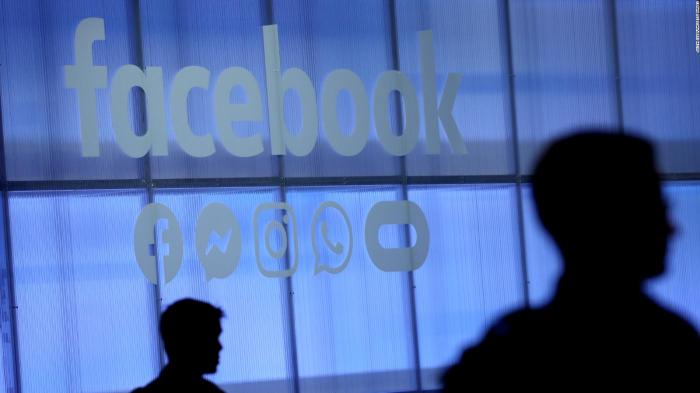
The California Privacy Rights Act (CPRA) and Facebook’s resistance to it represent a pivotal moment in the ongoing debate about online privacy and data collection. This conflict is not just a localized issue; it signals a larger shift in the relationship between technology companies, governments, and consumers. The ramifications extend far beyond the immediate legal battle, impacting the future of online advertising, global data privacy regulations, and public trust in tech giants.The clash between Facebook’s business model and California’s stringent privacy protections underscores a fundamental tension.
Companies like Facebook rely heavily on user data for targeted advertising, a crucial revenue stream. However, consumers are increasingly demanding greater control over their personal information, leading to a growing regulatory push for data privacy. This clash will undoubtedly shape the future landscape of online interactions.
Long-Term Implications of the Conflict
This conflict’s long-term implications are multifaceted. The legal battles surrounding the CPRA could set a precedent for future data privacy legislation, influencing similar initiatives across the nation and globally. The outcome will undoubtedly influence the balance of power between tech companies and governments, impacting how user data is collected, processed, and used. The ongoing legal challenges, if resolved in favor of California’s strict privacy protections, could compel other states to enact similar laws.
Facebook’s resistance to California’s new privacy bill is a big deal, highlighting the ongoing power struggle between tech giants and consumer rights. Meanwhile, similar conflicts are playing out elsewhere, like with Garmin directing users to send their GPS units back—a move that’s sure to be a headache for many. This raises the question: will other tech companies follow suit in their battles against stringent regulations like California’s?
Facebook’s actions are a clear signal of the challenges ahead for privacy advocates as they push for stronger protections against the ever-expanding reach of data collection.
Impact on the Future of Online Advertising
The CPRA, and similar legislation, is likely to fundamentally reshape online advertising. Targeted advertising, a cornerstone of many tech companies’ business models, could face significant limitations. The shift toward more privacy-centric approaches, including consent-based data collection and greater user control over their data, may lead to a more fragmented and potentially less effective advertising landscape. The emphasis on contextual advertising and less reliance on detailed user profiles will become more prominent.
Facebook’s resistance to California’s new privacy bill is interesting, especially considering the recent updates in web technology. While Facebook fights the bill, the tech world keeps innovating. For example, Chrome 2.0 is reportedly boosting JavaScript performance significantly, which could have unexpected implications for how websites operate. This new speed boost, detailed in chrome 2 0 juices up javascript , might indirectly affect the ongoing debate surrounding user data privacy, and how companies like Facebook handle it.
Ultimately, Facebook’s strategy in the face of this California bill remains a key point of contention.
Companies will need to adapt their strategies to comply with these regulations, potentially leading to the development of new advertising models.
Potential Trends in Global Data Privacy Regulations
A significant trend is the global convergence toward stricter data privacy regulations. The CPRA, while California-specific, mirrors a broader global movement toward empowering consumers with greater control over their personal information. Countries worldwide are implementing and updating their own data protection laws, often inspired by the European Union’s General Data Protection Regulation (GDPR). This international alignment suggests a future where data privacy regulations will become increasingly sophisticated and comprehensive.
How This Conflict Might Shape Future Regulatory Strategies
The conflict between Facebook and California over the CPRA highlights the growing tension between the business interests of tech companies and the evolving demands of consumers for data privacy. Future regulatory strategies will likely focus on striking a balance between protecting user rights and enabling innovation. This might involve more detailed regulations concerning data minimization, purpose limitation, and data security, leading to increased scrutiny of data collection practices by businesses.
The concept of ‘data minimization’ is likely to gain further traction in the future. This concept emphasizes the need to collect only the minimum amount of data necessary for the specific purpose.
Potential Influence on Public Trust in Tech Companies
The ongoing debate over the CPRA and Facebook’s response could significantly impact public trust in tech companies. If companies are perceived as prioritizing profit over user privacy, it could lead to a decline in public confidence. Conversely, if companies demonstrate a commitment to transparency and user control, public trust might be enhanced. The outcome of this conflict will be a key indicator of the long-term trust relationship between tech companies and their users.
The current climate, characterized by a perceived lack of transparency and control over data, will be a significant factor in shaping public opinion.
Illustrative Examples
Navigating the complexities of data privacy regulations requires concrete examples to illustrate the potential impacts and conflicts. Understanding how these regulations affect specific features and how companies adapt is crucial for comprehending the broader implications of the California Privacy Rights Act (CPRA). These examples offer a glimpse into the challenges and opportunities presented by this evolving landscape.
Targeted Advertising on Facebook
Facebook’s targeted advertising relies heavily on user data to personalize ads. The CPRA, with its restrictions on data collection and usage, directly impacts this core function. Imagine a user expressing interest in sustainable fashion through online searches and interactions. Under the CPRA, Facebook might need explicit consent to use this data to target ads for eco-friendly clothing brands.
This shift requires Facebook to re-evaluate its advertising strategies, potentially altering the effectiveness of personalized ads and impacting revenue streams.
Fictional Scenario: Tech Company vs. State
A fictional scenario involves a tech company, “InnovateTech,” operating in California, that faces a CPRA-related challenge. InnovateTech collects user data to improve its product recommendations. However, a user files a complaint alleging that InnovateTech is using data beyond the scope of the stated purpose. This sparks a public debate about the extent of data collection and use, leading to a potential lawsuit and a regulatory investigation.
This scenario illustrates the potential for friction between a tech company’s operational needs and the enforcement of data privacy regulations at the state level.
Dropbox’s Adaptation to GDPR
Dropbox, facing the General Data Protection Regulation (GDPR), adapted its practices to comply with stringent data subject rights. The company implemented enhanced data access controls, allowing users to request data deletion or modification more readily. They also updated their privacy policies to be more transparent about data collection and usage. This demonstrates a company proactively responding to a new data privacy regulation to maintain user trust and avoid potential legal issues.
The key to their success was a shift in mindset from a reactive to a proactive approach.
Historical Precedent: Data Privacy Battles
Throughout history, there have been several key precedents for the current battle over data privacy. The landmark case of Roe v. Wade, while not directly related to data privacy, demonstrates the power of legal challenges in shaping societal norms. The development of the Children’s Online Privacy Protection Act (COPPA) highlights the growing awareness and legislative response to protecting children’s data.
These historical precedents illustrate that the struggle for data privacy is not new and that the fight to balance technological advancements with societal values continues.
Timeline of Data Privacy Legislation
| Year | Legislation | Key Feature |
|---|---|---|
| 1974 | Privacy Act of 1974 (US) | Established federal standards for data collection and usage by government agencies. |
| 1995 | Directive 95/46/EC (EU) | Established the first EU-wide data protection framework. |
| 2018 | GDPR (EU) | Strengthened data subject rights and introduced stricter penalties for non-compliance. |
| 2020 | CPRA (CA) | Extended data privacy protections to California residents. |
This table illustrates a crucial point: data privacy regulations have evolved over time, building on previous legislation and adapting to changing societal concerns and technological advancements.
Wrap-Up
The clash between Facebook and the California privacy bill highlights the complex relationship between technology companies and consumer rights. The potential consequences for the tech industry and the future of data privacy in the US are significant. While Facebook opposes the bill, there are strong arguments from consumer advocacy groups pushing for greater protection. Finding a compromise, while ensuring both businesses and consumers are fairly represented, remains the key challenge.