

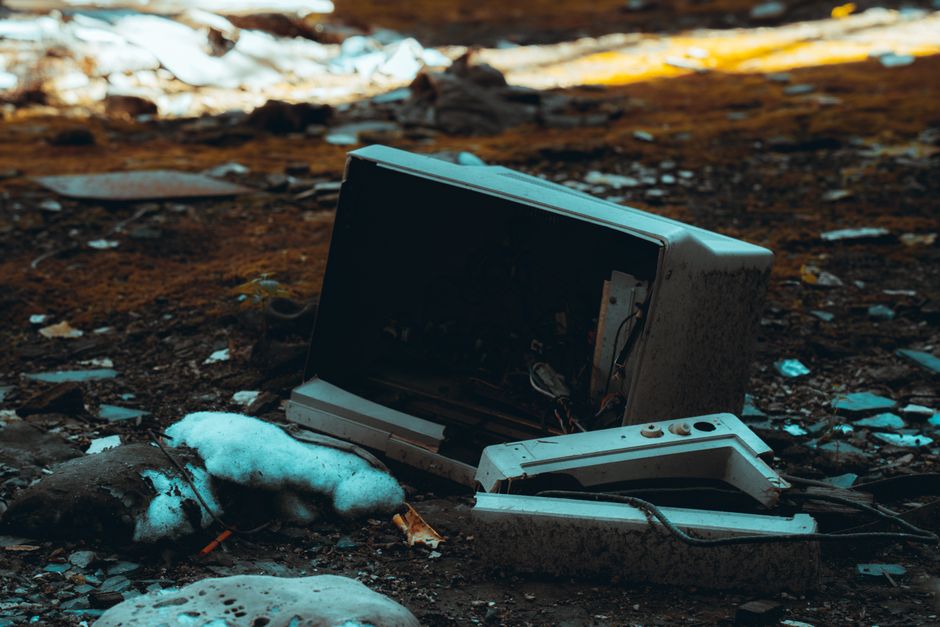
The Unseen Tide: E-Waste’s Poisonous Influx and Developing Nations
The global proliferation of electronic devices, a hallmark of modern convenience and progress, has unleashed a silent, yet devastating, tsunami of electronic waste, or e-waste, that is disproportionately and catastrophically impacting developing nations. What appears as a solution to obsolete technology in wealthier countries transforms into a toxic burden, overwhelming the limited infrastructure and environmental regulations of poorer regions. This article delves into the multifaceted crisis of e-waste dumping, its profound environmental and health consequences, the economic drivers and ethical failings that perpetuate it, and the urgent need for systemic change to stem this poisonous tide.
The sheer volume of e-waste generated annually is staggering. As consumer demand for the latest smartphones, laptops, televisions, and appliances escalates, so does the rate at which older models are discarded. Developed nations, with their higher disposable incomes and rapid technological advancement cycles, are the primary generators of this waste stream. However, instead of investing in responsible recycling and disposal methods domestically, a significant portion of this e-waste is exported, often under the guise of "used electronics" or "donations," to developing countries in Africa, Asia, and Latin America. This clandestine trade is driven by the stark economic disparity in recycling costs. Processing e-waste in developed countries, with their stringent environmental and labor laws, is expensive. In contrast, informal recycling operations in developing nations, characterized by rudimentary techniques and a disregard for safety, offer a cheaper alternative for dismantling these complex devices. The profitability of extracting valuable materials like gold, silver, copper, and rare earth elements fuels this exploitative industry, creating a perverse economic incentive for the continuous influx of toxic refuse.
The environmental devastation wrought by unchecked e-waste dumping is profound and long-lasting. When e-waste is dismantled in open-air sites or inadequately managed facilities, hazardous materials are released into the environment with alarming impunity. Heavy metals such as lead, mercury, cadmium, and chromium, integral components of electronic devices, leach into the soil and groundwater, contaminating vital water sources used for drinking, agriculture, and supporting ecosystems. Lead, a potent neurotoxin, can cause irreversible developmental damage in children, affecting cognitive abilities and behavior. Mercury, another persistent toxin, bioaccumulates in the food chain, posing severe risks to human health through consumption of contaminated fish and other seafood. Cadmium, a known carcinogen, can damage the kidneys and lungs. The burning of plastic casings and circuit boards, a common practice to extract metals, releases dioxins and furans, highly toxic persistent organic pollutants that can travel long distances and have been linked to cancer, reproductive problems, and immune system damage. The informal recycling processes often lack proper ventilation, exposing workers and surrounding communities to these airborne toxins. The accumulation of plastic waste also chokes waterways and pollutes landscapes, creating an environmental scar that can take centuries to heal.
The health consequences for populations in developing nations bearing the brunt of this e-waste crisis are dire and often irreversible. The workers, predominantly women and children, involved in the informal dismantling of e-waste are on the front lines of exposure. They often lack protective gear, working with bare hands to separate components, breathe in toxic fumes from burning plastics, and handle sharp shards of glass and metal. This leads to a spectrum of debilitating health issues, including respiratory illnesses, skin infections, chronic headaches, and severe eye problems. Long-term exposure to heavy metals and other toxins contributes to a higher incidence of miscarriages, birth defects, learning disabilities, and various forms of cancer, including leukemia and lung cancer. Children are particularly vulnerable due to their developing bodies and their tendency to engage in activities that increase exposure, such as playing in waste dumps. Furthermore, the contamination of local food and water sources means that the entire community, not just direct workers, is at risk. This creates a cycle of ill health and poverty, as affected individuals are less able to work and contribute to their families’ livelihoods, further perpetuating their vulnerability.
The ethical and legal lacunae that facilitate this global e-waste trade are deeply concerning. International agreements like the Basel Convention aim to control the transboundary movement of hazardous wastes, but their enforcement is often weak, and loopholes are readily exploited. The classification of e-waste as "used goods" rather than "hazardous waste" allows for its circumvention of these regulations. Developing nations often lack the legislative frameworks, regulatory capacity, and resources to effectively monitor, control, and manage the influx of e-waste. This absence of robust governance creates fertile ground for illegal dumping and exploitation. The wealthy nations, by exporting their waste, are effectively outsourcing their environmental and social responsibility, perpetuating a system of global environmental injustice. This practice highlights a stark imbalance in global responsibility, where the environmental and health costs of technological advancement are borne by those least equipped to handle them, while the benefits accrue to the more affluent. The pursuit of profit by e-waste brokers and unscrupulous companies in developed nations, coupled with the desperation of poverty in recipient countries, creates a morally reprehensible supply chain.
Addressing this escalating crisis requires a multi-pronged approach involving developed nations, developing nations, international organizations, and the electronics industry. Developed countries must take primary responsibility for the end-of-life management of the electronics they produce and consume. This involves investing in and expanding domestic e-waste recycling infrastructure, promoting product design for recyclability and durability, and implementing extended producer responsibility (EPR) schemes where manufacturers are held accountable for the collection and recycling of their products. EPR incentivizes companies to design more sustainable products and to invest in responsible recycling processes. Furthermore, stringent enforcement of international regulations, including robust tracking mechanisms and penalties for illegal dumping, is crucial. Educating consumers in developed nations about the true cost of their electronic consumption and the impact of e-waste is also vital to fostering responsible disposal habits.
Developing nations, while often victims of this global trade, also play a critical role in mitigating its impact. Strengthening domestic environmental legislation, establishing and enforcing regulations for e-waste management, and investing in formal, safe, and environmentally sound recycling facilities are paramount. This requires international cooperation and financial assistance from developed countries to build the necessary infrastructure and capacity. Furthermore, empowering local communities through education and awareness programs about the risks of e-waste exposure and promoting safer disposal practices can make a significant difference. Supporting the transition of informal waste pickers into formal recycling jobs, providing them with training, safety equipment, and fair compensation, is an essential component of a just and sustainable solution.
The electronics industry itself has a significant responsibility to be part of the solution. Designing products that are modular, easily repairable, and made with fewer hazardous materials can extend their lifespan and simplify their recycling. Implementing take-back programs and partnering with certified recycling facilities to ensure responsible disposal are crucial steps. Transparency in supply chains and a commitment to ethical sourcing of materials, including those extracted from recycled electronics, are also vital. Innovation in recycling technologies that can efficiently and safely extract valuable materials while minimizing environmental impact should be prioritized. Companies need to move beyond a linear "take-make-dispose" model towards a circular economy approach where resources are kept in use for as long as possible.
In conclusion, the unchecked flow of e-waste into developing nations represents a profound global environmental and humanitarian crisis. The pursuit of convenience and profit in wealthier countries is directly fueling widespread pollution, devastating health outcomes, and perpetuating cycles of poverty in vulnerable communities. Stemming this poisonous tide necessitates a fundamental shift in global responsibility, from individual consumption habits to corporate practices and governmental policies. Without concerted and immediate action, this unseen tide of toxic technology will continue to drown developing nations in a sea of irreversible environmental damage and human suffering. The time for decisive global collaboration and ethical accountability is not in the future; it is unequivocally now.













No comments yet. Be the first to join the conversation!