

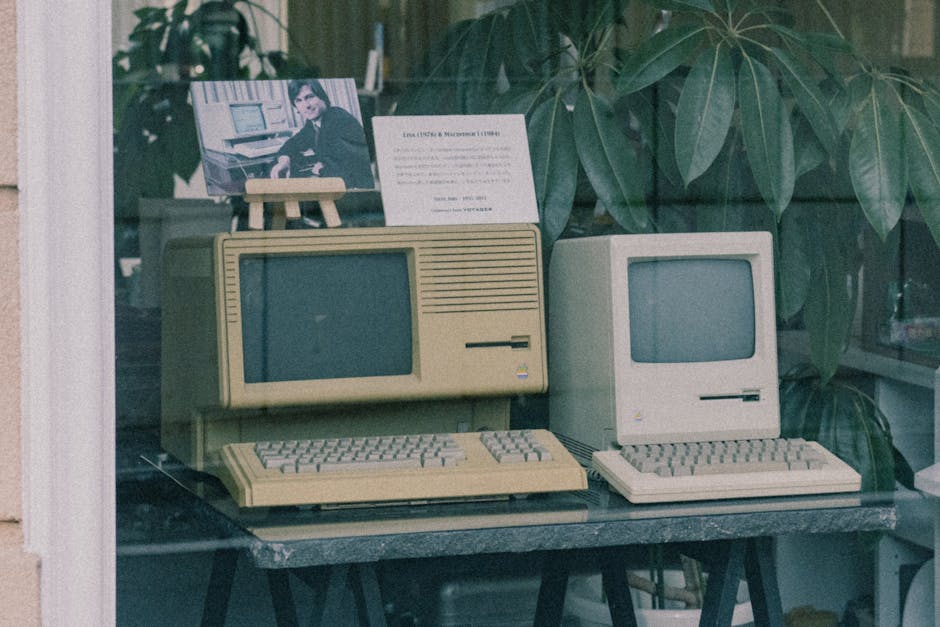
If I Were Steve Jobs and Had Six Weeks to Live
The diagnosis arrives with stark finality: six weeks. The world, for all its intricate marvels and unfinished potential, shrinks to a finite, ticking clock. If I were Steve Jobs, the architect of revolutions, the man who bent industries to his will with a singular vision, this timeframe would not be met with despair, but with a ferocious, laser-focused intensity. The ego, the legend, the public persona – they would recede, replaced by a primal drive to distill a lifetime of experience and ambition into its purest, most impactful essence. My final weeks would be a meticulously orchestrated symphony of legacy, impact, and, most importantly, influence that transcends my physical presence.
My initial reaction would be one of profound introspection, not regret. I’d spend the first 48 hours in absolute solitude, a silent retreat within myself. The noise of Apple, the world, would be shut out. This would be a deep dive into the core principles that have driven me – simplicity, elegance, user experience, the fusion of technology and liberal arts. I would be auditing my life’s work, identifying the absolute bedrock of my contributions, the ideas that truly changed the world and those that were fleeting trends. This isn’t about personal catharsis; it’s about identifying the essential DNA of my impact, the immutable truths I want to leave behind. I would be mentally cataloging every breakthrough, every design decision, every product philosophy that shaped not just Apple, but the very way people interact with the digital realm. This mental archive would become the blueprint for the remaining weeks.
The subsequent week would be dedicated to an unvarnished, brutally honest assessment of Apple’s current trajectory and future potential. This wouldn’t be a celebratory review of recent successes, but a critical, forensic examination. Are we still pushing boundaries, or have we settled into a comfortable oligarchy? Are we innovating for the sake of innovation, or are we genuinely solving problems and enhancing human experience? I would summon Tim Cook and the senior leadership team, not for a pep talk, but for a rigorous, unsparing interrogation. My questions would be sharp, direct, and designed to expose any complacency. I would challenge them on the next big paradigm shift, the technology that will redefine human interaction in the next decade. I’d ask about the ethical implications of our advancements, the societal impact we are creating, and whether we are truly serving humanity or merely optimizing for profit. This is about ensuring the engine I built continues to run with the same relentless spirit, not just in revenue, but in transformative impact.
The following two weeks would be devoted to a final, definitive articulation of my core philosophy. This wouldn’t be a memoir or a sanitized biography. It would be a manifesto, a distilled collection of my most profound insights on design, innovation, leadership, and the pursuit of excellence. I would work with a select, trusted few – perhaps a brilliant writer and a cutting-edge designer – to create a singular artifact. This artifact, whether a book, a digital experience, or a series of meticulously crafted presentations, would be my final testament. It would be filled with my personal anecdotes, yes, but only those that illuminate a universal truth. It would be visually stunning, reflecting the aesthetic principles I hold dear. It would be accessible yet profound, designed to inspire and challenge aspiring entrepreneurs, designers, and thinkers for generations to come. This isn’t about ego; it’s about providing a clear, unambiguous roadmap for those who seek to create meaningful change. The content would focus on the "why" behind my creations, the relentless pursuit of perfection, and the courage to defy convention.
The fifth week would be a strategic intervention in key areas of Apple’s future. I wouldn’t be dictating product roadmaps in detail, but rather setting the strategic north star for several critical initiatives. This might involve a final, impassioned directive on the future of augmented reality, not just as a gadget, but as a fundamental shift in how we perceive and interact with information. Or it could be a firm hand on the tiller of artificial intelligence, ensuring it’s developed with a human-centric, ethical framework. I’d also identify and empower a successor, not just for the CEO role, but for the spirit of innovation. This would involve deep, personal mentorship sessions, imparting not just strategy, but the intangible essence of what it means to lead with vision and conviction. It would be about transferring the "magic," the intuition that has guided me. This is about planting seeds for future growth and ensuring continuity of vision beyond my lifetime.
The final week would be about cementing my personal legacy and ensuring that the lessons learned are not lost to the sands of time. This would involve a series of candid, unscripted conversations with a small, curated group of individuals who represent the future of technology and creativity. These wouldn’t be lectures, but dialogues, designed to spark new ideas and foster new connections. I would also take the time to personally reach out to individuals who have made a significant impact in their respective fields, offering words of encouragement and, perhaps, a final piece of hard-won advice. The goal here is to be a catalyst, to leave behind a ripple effect of inspired action. I would also ensure that my personal archives – not just of work, but of my thoughts, my inspirations, my failures – are meticulously organized and made accessible in a way that is both respectful and illuminating. This isn’t about fame; it’s about contribution. The final days would be spent in quiet contemplation, surrounded by loved ones, accepting the inevitable with grace, but knowing that the essence of my life’s work will continue to resonate, shaping the future in ways I may never fully witness. This is not an ending, but a transition.




No comments yet. Be the first to join the conversation!