
Online Security Very Bad and Getting Worse
Online security very bad and getting worse. It’s a terrifying reality that’s impacting everyone, from individuals to massive corporations. Data breaches are becoming more frequent, sophisticated, and devastating, leaving a trail of compromised accounts, lost data, and damaged reputations. We’re not just talking about petty theft anymore; we’re seeing a relentless escalation in cyberattacks, often fueled by the increasing reliance on interconnected systems and the evolution of malicious actors.
This alarming trend is driven by a multitude of factors. From the ever-evolving tactics of cybercriminals to the vulnerabilities inherent in our interconnected digital world, the situation is complex and deeply concerning. Recent high-profile breaches have exposed just how vulnerable we all are, demonstrating the urgent need for better protection and preventative measures.
Defining the Problem
Online security, in its broadest sense, encompasses the protection of digital assets and sensitive information from unauthorized access, use, disclosure, disruption, modification, or destruction. It’s a multifaceted discipline that’s crucial for individuals, businesses, and governments in today’s interconnected world. A strong online security posture is essential to safeguard privacy, maintain operational continuity, and prevent significant financial and reputational damage.The core components of online security are interconnected and interdependent.
They include maintaining user privacy by controlling access to personal data, employing robust authentication methods to verify users’ identities, and implementing secure data protection measures to prevent unauthorized access and breaches. Failure in any of these areas can create vulnerabilities, leaving systems susceptible to various threats.
Key Components of Online Security
Protecting sensitive information is fundamental to online security. This includes personally identifiable information (PII), financial data, intellectual property, and operational information. Robust authentication methods verify user identities, preventing unauthorized access to accounts and systems. Data protection measures, including encryption and access controls, safeguard information from breaches and unauthorized use.
Threats to Online Security
Various threats target online security, each with its own approach and impact. Malware, a broad category encompassing viruses, worms, Trojans, and ransomware, often aims to disrupt operations, steal data, or gain unauthorized access. Phishing attacks, which involve tricking users into revealing sensitive information, are a significant concern. Social engineering exploits human psychology to manipulate individuals into performing actions that compromise security, such as clicking malicious links or divulging passwords.
Denial-of-service (DoS) attacks flood systems with traffic, making them unavailable to legitimate users.
Online security is truly a mess, and it’s getting worse by the day. Just look at the recent news about the Pentagon being hacked – pentagon yep we got hacked. This high-profile breach highlights the alarming vulnerability of even the most secure systems, and unfortunately, this is just another example of the growing problem with online security.
We need serious improvements across the board to protect our sensitive data.
Increasing Sophistication of Cyberattacks
Cyberattacks are constantly evolving, becoming more sophisticated and difficult to detect. Attackers are increasingly employing advanced techniques like exploiting zero-day vulnerabilities (previously unknown software flaws) and employing polymorphic malware (malware that changes its code to avoid detection). The use of AI and machine learning in cyberattacks is another emerging trend, enabling attackers to adapt their strategies and tactics in real time.
Automated tools and botnets facilitate the widespread distribution of malware and phishing campaigns.
Evolving Nature of Online Threats
Online threats adapt to new technologies and trends. For example, the rise of mobile devices and cloud computing has introduced new attack vectors. As more devices connect to the internet and as more data is stored in the cloud, the attack surface expands, requiring proactive and adaptive security measures. Attackers leverage vulnerabilities in emerging technologies like IoT devices and blockchain platforms.
For example, a rise in the use of social media platforms has opened up new avenues for phishing and social engineering attacks.
Comparison of Online Security Breaches
| Year | Type of Breach | Description | Impact |
|---|---|---|---|
| 2022 | Phishing | Sophisticated phishing campaigns targeting financial institutions and individuals | Significant financial losses and data breaches |
| 2023 | Ransomware | Widespread ransomware attacks affecting critical infrastructure and businesses | Operational disruptions and substantial financial demands |
| 2024 | Supply Chain Attacks | Compromising software supply chains to gain access to multiple systems | Large-scale data breaches and disruption of services |
The table above highlights the variety and evolving nature of online security breaches over recent years. Each type of breach poses distinct challenges, emphasizing the need for a comprehensive and adaptable security strategy.
Evidence of Deterioration: Online Security Very Bad And Getting Worse
The digital landscape is increasingly treacherous. While progress has been made in some areas of online security, the sophistication and frequency of cyberattacks are alarmingly escalating. This relentless rise demands a comprehensive understanding of the evolving threat landscape, including the types of breaches, their impact, and the contributing factors. The need for robust defenses and proactive measures is more critical than ever.
Recent High-Profile Security Breaches
Numerous high-profile security breaches have dominated headlines in recent years, highlighting the vulnerability of even the largest organizations. The impact of these breaches can be devastating, causing significant financial losses, reputational damage, and erosion of consumer trust. Examples include the 2021 Colonial Pipeline ransomware attack, which crippled fuel distribution across the Southeast US, and the 2022 data breaches at major retailers, which exposed sensitive customer information.
These events underscore the growing sophistication of cybercriminals and the need for enhanced security measures.
Impact of Breaches on Individuals and Organizations
The consequences of these breaches extend far beyond the immediate victims. Individuals often face identity theft, financial fraud, and emotional distress. Organizations can suffer substantial financial losses, operational disruptions, and legal liabilities. Loss of customer trust and damaged reputation can be equally detrimental, leading to long-term negative consequences.
Statistics on the Rise in Cybercrime Incidents
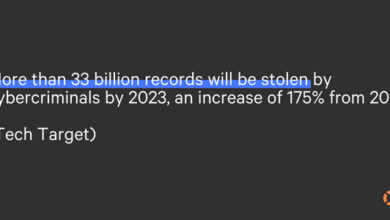
Data from various sources consistently demonstrates a rising trend in cybercrime incidents. Reports from cybersecurity firms indicate a significant increase in phishing attempts, malware infections, and ransomware attacks over the past few years. This increase highlights the urgent need for organizations to invest in robust security measures and employee training. Reliable statistics from reputable sources like the FBI’s Internet Crime Complaint Center (IC3) and the Cybersecurity and Infrastructure Security Agency (CISA) provide further insight into the escalating problem.
Comparison of Attack Frequency and Severity
Comparing attack frequency and severity across different periods reveals a clear upward trend. While traditional attacks like phishing and malware still persist, the sophistication and scale of advanced persistent threats (APTs) have significantly increased. Analysis of incident reports shows a rise in ransomware attacks targeting critical infrastructure and supply chains, causing widespread disruption and substantial economic losses.
Factors Contributing to the Decline in Online Security
Several factors contribute to the growing threat landscape. These include the increasing complexity of technology, the proliferation of mobile devices and cloud computing, the lack of cybersecurity awareness among users, and the increasing availability of sophisticated hacking tools and techniques. Furthermore, the growth of the dark web provides a platform for cybercriminals to sell stolen data and tools.
These factors, combined, create a breeding ground for malicious activity.
Cost of Cybercrime in Different Sectors, Online security very bad and getting worse
The cost of cybercrime varies significantly across different sectors. The table below illustrates the financial impact of cyberattacks on various industries.
| Sector | Estimated Annual Cost (USD Billions) | Impact Description |
|---|---|---|
| Healthcare | $10 – $15 | Patient data breaches, ransomware attacks on hospitals. |
| Finance | $15 – $20 | Fraudulent transactions, account compromises. |
| Retail | $5 – $10 | Credit card fraud, data breaches affecting customer records. |
| Manufacturing | $2 – $5 | Supply chain disruptions, operational downtime due to ransomware attacks. |
The figures in the table represent estimates based on publicly available data. The actual costs may vary depending on the specific incident and the mitigation efforts implemented by the targeted organizations.
Vulnerabilities and Trends

The digital landscape is constantly evolving, presenting new and sophisticated threats to online security. Cybercriminals are adept at adapting their tactics, exploiting vulnerabilities in software, systems, and human behavior. This dynamic environment demands a proactive and multifaceted approach to security, requiring vigilance and continuous adaptation from both individuals and organizations.
Major Vulnerabilities Exploited by Cybercriminals
Cybercriminals leverage a wide array of vulnerabilities to gain unauthorized access. These vulnerabilities range from outdated software and weak passwords to social engineering tactics and sophisticated malware. Understanding these vulnerabilities is crucial to implementing effective security measures.
- Outdated Software: Software vulnerabilities are frequently exploited due to a lack of timely updates. Cybercriminals often target known vulnerabilities in outdated software versions to gain access to systems. Examples include unpatched operating systems, browsers, and applications, making them susceptible to known exploits.
- Weak Passwords: Simple or easily guessed passwords are a significant weakness. Cybercriminals employ various techniques to crack passwords, including brute-force attacks and dictionary attacks. Using strong, unique passwords for each account is a critical security measure.
- Social Engineering: This involves manipulating individuals into divulging sensitive information. Phishing emails, malicious websites, and pretexting are common social engineering tactics. Awareness of these tactics and vigilance in verifying information are essential.
- Malware: Malicious software, such as viruses, worms, and Trojans, can infiltrate systems and steal data or disrupt operations. Sophisticated malware can bypass traditional security measures and cause significant damage.
Growing Reliance on Interconnected Systems and Security Risks
The interconnected nature of modern systems, from IoT devices to cloud infrastructure, presents significant security challenges. A breach in one interconnected component can have cascading effects on the entire network. The increased reliance on shared resources and data exchange requires robust security measures across the entire ecosystem.
- Interconnected Systems: The increasing reliance on interconnected systems, including the Internet of Things (IoT), creates vulnerabilities. A breach in one system can compromise other interconnected systems. For instance, a compromised smart home device could provide access to a home network.
- Supply Chain Vulnerabilities: Attacks on software supply chains can compromise multiple systems that rely on the compromised software. For example, a vulnerability in a widely used library or framework could affect numerous applications that utilize it.
- Cloud Security: Storing data and running applications in the cloud introduces new security concerns. Protecting cloud environments requires careful configuration, access controls, and monitoring.
Influence of Social Media and Online Interactions on Security Threats
Social media platforms and online interactions are often used by cybercriminals to gather information, spread misinformation, and launch attacks. The ease of communication and information sharing also presents risks to individuals and organizations.
Online security is seriously in a bad spot, and it’s only getting worse. Recent reports highlight the alarming trend, and a new wake-up call for global IT security wonks is definitely needed. The recent article “global it security wonks get wake up call” here really hammers home just how vulnerable we all are, and how crucial it is to take proactive steps to protect ourselves.
This is a major problem that needs immediate attention, and the issues highlighted in the article will only amplify the struggles we face.
- Data Breaches: Social media profiles often contain personal information that can be used for targeted attacks. Cybercriminals may use this data to craft personalized phishing emails or social engineering attempts.
- Phishing and Scams: Social media platforms are frequently used to distribute phishing emails and fraudulent schemes. These attacks can target individuals and organizations, leading to financial losses and data breaches.
- Misinformation and Disinformation: Social media platforms can be used to spread false or misleading information. This can influence public opinion and compromise security by manipulating individuals.
Artificial Intelligence and Machine Learning in Cybersecurity and Cyberattacks
Artificial intelligence (AI) and machine learning (ML) are transforming both cybersecurity and cyberattacks. AI-powered tools can detect and respond to threats more effectively, while cybercriminals leverage AI and ML to automate attacks and evade detection.
- AI-powered Cybersecurity Tools: AI algorithms can analyze vast amounts of data to identify patterns and anomalies indicative of malicious activity. This allows for faster threat detection and response.
- AI-driven Cyberattacks: AI and ML are used by cybercriminals to develop more sophisticated attacks, including automated phishing campaigns and targeted malware. AI can enhance the efficiency and effectiveness of attacks, making them harder to detect and defend against.
Impact of Different Types of Devices on Online Security
Different devices, from smartphones to IoT devices, present varying security risks. The increasing number of interconnected devices and their varying levels of security create a complex security landscape.
- Smartphones: Smartphones are frequently targeted by malware and phishing attacks due to their widespread use and access to sensitive information.
- IoT Devices: IoT devices, such as smart home appliances and wearables, often lack robust security measures. This makes them vulnerable to attacks that can compromise entire networks.
- Workstations and Servers: Workstations and servers, containing sensitive corporate data, are prime targets for cyberattacks. Strong access controls and regular security updates are critical.
Rise of Ransomware and Its Effect
Ransomware attacks have significantly impacted businesses and individuals. These attacks encrypt data and demand payment for its release, causing substantial financial and operational disruption.
- Financial Impact: Ransomware attacks can cripple businesses and individuals by encrypting valuable data and demanding payment. This can lead to significant financial losses, including downtime, recovery costs, and reputational damage.
- Data Loss: The encrypted data may be lost permanently if the ransom is not paid or if decryption tools are unavailable. This can have severe consequences for businesses and individuals who rely on the data.
- Operational Disruption: Ransomware attacks can disrupt business operations by preventing access to critical systems and data. This can lead to delays, loss of productivity, and damage to reputation.
Impacts and Consequences
The escalating threat landscape in online security has far-reaching consequences that extend beyond technical vulnerabilities. The impacts of breaches ripple through individuals, businesses, and governments, causing financial losses, reputational damage, privacy violations, and psychological distress. Understanding these multifaceted impacts is crucial to developing effective mitigation strategies and fostering a more secure digital environment.
Financial Losses Associated with Breaches
Financial losses stemming from online security breaches can be substantial, impacting organizations of all sizes. Stolen financial data, fraudulent transactions, and the cost of incident response and recovery represent significant financial burdens. The cost of a data breach can include direct costs like credit monitoring services for affected individuals and the costs of incident response teams and forensic investigations.
Indirect costs, such as lost productivity, decreased customer confidence, and damage to brand reputation, can be even more substantial in the long run. For example, a large retail company may face millions of dollars in losses due to a breach that compromises customer credit card information.
Online security is in a seriously bad state, and it’s only getting worse. It’s terrifying to think about the recent news of the “winpho 7 update gives some phones fatal brain spasm” issue. This incident highlights just how vulnerable our devices are, and by extension, our personal data. This further emphasizes the urgent need for stronger security measures across the board, from individual users to major tech companies.
Reputational Damage Caused by Security Incidents
Security incidents can irrevocably damage an organization’s reputation. Public perception of a company’s trustworthiness and reliability can plummet following a breach, leading to loss of customer confidence and decreased sales. Negative publicity and media attention can significantly impact brand image and market share. For instance, a major hotel chain facing a data breach might experience a decline in bookings and a tarnished image as customers lose trust in their security protocols.
Privacy Violations Stemming from Data Breaches
Data breaches often lead to significant privacy violations, exposing sensitive personal information such as social security numbers, addresses, and financial details. The unauthorized access and potential misuse of this information can result in identity theft, financial fraud, and other harmful consequences for individuals. For example, the theft of medical records can lead to identity theft and financial fraud, as well as potentially compromising sensitive health information.
Psychological Effects of Online Security Breaches on Individuals
Security breaches can have a profound psychological impact on individuals. Experiencing a data breach can cause anxiety, stress, and feelings of vulnerability. The fear of identity theft, financial loss, and potential harm can negatively affect mental well-being. The emotional toll can be significant, requiring support and resources for affected individuals. For example, individuals whose personal information is exposed in a data breach might experience significant stress, anxiety, and difficulty sleeping.
Disruption of Services Caused by Security Attacks
Security attacks can disrupt essential services and critical infrastructure, impacting various sectors, from healthcare to finance and government. Distributed denial-of-service (DDoS) attacks can overwhelm online systems, rendering them inaccessible to users. This disruption can lead to significant economic losses, operational inefficiencies, and reputational damage. For example, a critical infrastructure facility experiencing a ransomware attack could face operational downtime, potentially endangering public safety.
Summary of Impacts
| Impact Category | Individuals | Businesses | Governments |
|---|---|---|---|
| Financial Losses | Identity theft, financial fraud | Direct costs of incident response, lost revenue, regulatory fines | Economic losses, disruption of services, security funding |
| Reputational Damage | Loss of trust, anxiety | Tarnished brand image, loss of customers | Erosion of public trust, political fallout |
| Privacy Violations | Identity theft, fraud | Loss of customer data, regulatory penalties | Compromised national security data, breaches of public trust |
| Psychological Effects | Anxiety, stress, vulnerability | Employee stress, decreased morale | Fear and distrust of government institutions |
| Disruption of Services | Inaccessible services, online outages | Operational downtime, loss of productivity | Critical infrastructure failures, loss of public services |
Addressing the Problem

The escalating threat landscape demands proactive measures to combat online security risks. Individuals and organizations must recognize the evolving nature of these threats and adopt a multi-faceted approach to strengthen their defenses. This involves understanding the vulnerabilities, implementing robust security practices, and fostering a culture of cybersecurity awareness.This section Artikels practical steps individuals and organizations can take to enhance online security.
From strengthening passwords to utilizing security software, the following strategies aim to mitigate risks and build resilience against cyberattacks.
Enhancing Online Security Awareness
Cultivating a heightened awareness of online security risks is paramount. This involves educating oneself and others about common threats, such as phishing scams, malware, and social engineering tactics. Individuals should be cautious of suspicious emails, websites, and messages. Regularly reviewing security updates and implementing best practices can significantly reduce the likelihood of falling victim to a cyberattack.
Importance of Strong Passwords and Multi-Factor Authentication
Strong passwords are the first line of defense against unauthorized access. Creating complex, unique passwords for each online account is crucial. These passwords should incorporate a combination of uppercase and lowercase letters, numbers, and symbols. Avoid using easily guessable information, like birthdays or names. Furthermore, implementing multi-factor authentication (MFA) adds an extra layer of security.
MFA requires a second form of verification, such as a code sent to a mobile device, beyond a username and password. This significantly increases the difficulty for attackers to gain unauthorized access.
Role of Security Software and Updates
Security software, including antivirus and anti-malware programs, plays a vital role in protecting systems from malicious software. Keeping this software up-to-date with the latest definitions is essential. Regularly updating operating systems and applications is equally important. These updates often include critical security patches that address vulnerabilities. Failing to update systems leaves them exposed to known exploits.
Best Practices for Safe Online Browsing and Interactions
Safe online browsing involves recognizing phishing attempts and avoiding suspicious links. Verify the legitimacy of websites before entering personal information. Avoid clicking on unsolicited emails or messages, and be cautious of requests for sensitive data. Use strong and unique passwords for all accounts and enable multi-factor authentication where possible.
Importance of Cybersecurity Education for Individuals and Organizations
Cybersecurity education is crucial for both individuals and organizations. Training programs can equip individuals with the knowledge and skills to recognize and avoid common threats. Organizations should implement comprehensive cybersecurity policies and training for employees to maintain a secure environment. Regularly updated training programs are essential to address evolving threats.
Steps Individuals Can Take to Protect Themselves Online
- Create strong, unique passwords: Use a password manager to generate and store complex passwords for different accounts. Avoid using easily guessable information.
- Enable multi-factor authentication (MFA): MFA adds an extra layer of security to online accounts.
- Keep software updated: Regularly update operating systems, applications, and security software to patch vulnerabilities.
- Be cautious of suspicious emails and messages: Avoid clicking on links or downloading attachments from unknown senders. Verify the legitimacy of requests for sensitive information.
- Use strong Wi-Fi connections: Avoid using public Wi-Fi networks for sensitive transactions. Use a VPN when connecting to public Wi-Fi.
- Regularly review and update security settings: Monitor security settings for your online accounts and update them regularly to reflect best practices.
- Practice safe online browsing: Avoid clicking on suspicious links and only download files from trusted sources.
The Future of Online Security
The ever-evolving digital landscape presents a constant struggle against cyber threats. While past efforts have yielded improvements, the future of online security hinges on a proactive and multifaceted approach. Emerging technologies and innovative strategies are crucial to staying ahead of increasingly sophisticated attacks.
Emerging Technologies for Enhanced Security
The future of online security is intricately linked to emerging technologies. Quantum computing, for instance, promises unprecedented processing power, but also poses a significant threat to current encryption methods. This necessitates the development of quantum-resistant cryptography. Artificial intelligence (AI) and machine learning (ML) play a pivotal role in detecting anomalies and patterns indicative of malicious activity. Sophisticated algorithms can analyze vast datasets to identify threats in real-time, significantly enhancing the ability to prevent and mitigate attacks.
Blockchain technology, known for its security and transparency, can be leveraged to secure data and transactions, potentially revolutionizing digital identity management.
The Role of Predictive Analytics in Anticipation
Predictive analytics, utilizing historical data and machine learning models, can forecast potential cyberattacks. By identifying patterns and anomalies, security systems can anticipate and mitigate attacks before they occur. This proactive approach allows for the implementation of preventative measures, thereby minimizing the impact of successful breaches. For instance, analyzing past attack vectors, user behavior, and network traffic can identify vulnerabilities and predict potential exploits, enabling the development of targeted security measures.
Future-Proofing Online Security Systems
Future-proofing online security systems demands a proactive approach. This involves developing robust, adaptable security architectures capable of handling emerging threats. Regular security audits and penetration testing are essential to identify and address vulnerabilities. Continuous monitoring and threat intelligence gathering are critical for staying ahead of the curve. Employee training and awareness programs play a vital role in educating users about common security threats and best practices.
Global Efforts to Combat Cybercrime
International cooperation is crucial in the fight against cybercrime. Collaboration between governments, law enforcement agencies, and private sector organizations is essential to share information, coordinate investigations, and develop effective strategies. Global forums and initiatives play a vital role in fostering a unified approach to tackling cyber threats. Examples include international agreements and joint task forces dedicated to combating cybercrime, enabling information sharing and coordinated responses to cyberattacks.
Potential Future Challenges and Opportunities in Online Security
| Challenge | Opportunity ||—|—|| Increasing sophistication of cyberattacks | Development of advanced security tools and techniques || Rapid advancement of technology | Enhanced security measures leveraging emerging technologies || Growing reliance on interconnected systems | Creation of robust and secure systems for the digital infrastructure || Lack of skilled cybersecurity professionals | Investment in education and training programs to address the talent gap || Geopolitical tensions and conflicts | Increased collaboration and standardization in cybersecurity practices || The need for adaptability to new technologies | Implementation of innovative strategies that use predictive analytics and AI for threat detection and prevention |
International Cooperation in Tackling Online Threats
International cooperation is essential to address the global nature of cyber threats. Sharing best practices, intelligence, and resources among nations fosters a more unified and effective response to cyberattacks. Joint investigations and collaborative efforts to apprehend perpetrators can help bring cybercriminals to justice. International agreements and treaties can establish legal frameworks for addressing cybercrime and promoting global cybersecurity standards.
Ultimate Conclusion
In conclusion, the state of online security is dire, and the future doesn’t appear promising without significant changes. The constant adaptation of cyber threats necessitates a proactive and multifaceted approach. From individual vigilance to industry-wide collaborations, we need a comprehensive strategy to safeguard our digital world. This means bolstering security awareness, investing in cutting-edge technologies, and fostering international cooperation to combat the growing menace of cybercrime.
The fight for secure online spaces is a continuous one, and the need for collective action is undeniable.