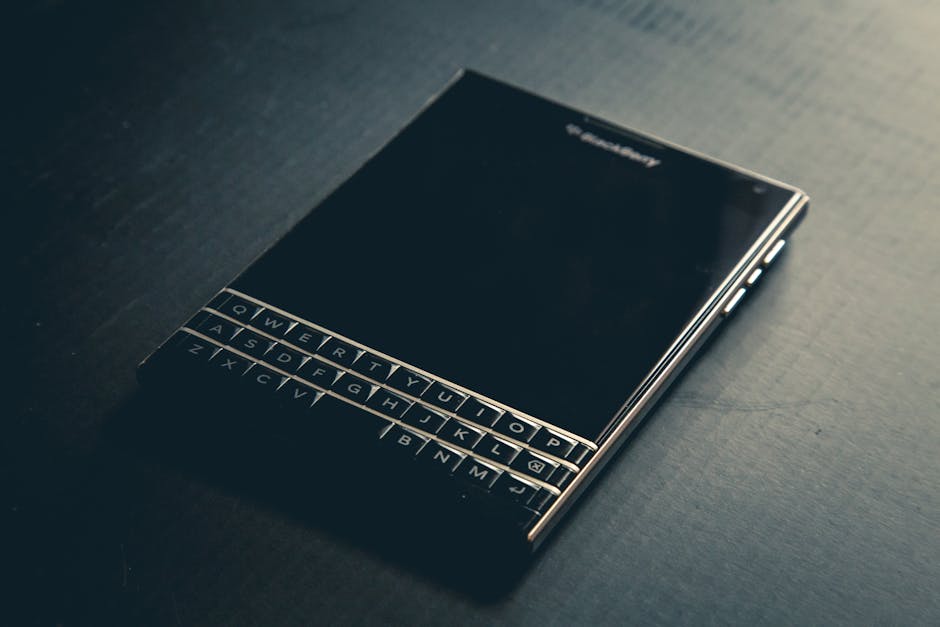
Droid X More Athlete Than Aesthete

Droid X: More Athlete Than Aesthete
The Motorola Droid X, a device that arrived in the burgeoning smartphone landscape with a statement, was often lauded for its impressive technical specifications and robust performance. While marketing often painted a picture of sleek design and cutting-edge aesthetics, a deeper dive into its architecture, user experience, and intended purpose reveals a machine built for utility and power – a veritable athlete in a world increasingly focused on its visual appeal. The Droid X wasn’t just a phone; it was a tool, a powerhouse, and for those who valued function over fleeting fashion, it was a compelling choice. Its very existence challenged the prevailing notion that advanced mobile technology had to be wrapped in an exclusively delicate, almost fragile, package.
The Droid X’s physical design, while undeniably substantial, prioritized ergonomics and resilience over overtly minimalist trends. Its generous 4.3-inch display, a significant size for its era, allowed for greater on-screen real estate, directly benefiting productivity and media consumption. This larger screen wasn’t merely for show; it was a functional advantage, enabling users to comfortably navigate complex applications, view detailed spreadsheets, and enjoy videos with a clarity and immersion that smaller devices couldn’t match. The device’s robust build, featuring a durable plastic chassis and a prominent camera hump, suggested a device built to withstand the rigors of daily use. This was a phone that wouldn’t flinch at being slipped into a busy pocket or bag, a testament to its "athlete" persona. While some might have decried its lack of ultra-slim profiles, this very heft contributed to a sense of solidity and reliability. It felt like a device that could keep up with an active lifestyle, not one that needed to be constantly protected from the slightest bump or scrape.
Under the hood, the Droid X was a performance beast. Its TI OMAP 3630 processor, clocked at 1 GHz, was a significant leap forward, providing a smooth and responsive user experience that was crucial for multitasking and demanding applications. This raw processing power was the engine that drove its "athletic" capabilities. Whether it was launching applications quickly, navigating the Android operating system with fluidity, or handling resource-intensive games, the Droid X delivered. The 512MB of RAM further amplified this performance, allowing for more applications to run concurrently without noticeable slowdowns. This was a device designed for users who expected their phone to keep pace with their demanding schedules, not a device that would stutter and lag under pressure. The emphasis was on getting things done, efficiently and without compromise, a hallmark of any high-performing athlete.
The camera system on the Droid X, a standout feature, further underscored its utilitarian prowess. The 8-megapixel sensor, coupled with a Xenon flash, was a significant upgrade over many of its contemporaries, offering superior image quality, especially in low-light conditions. This wasn’t just about capturing casual snapshots; it was about providing users with a capable photographic tool that could produce genuinely usable images. The Xenon flash, a professional-grade component, delivered a brighter and more consistent light source than typical LED flashes, resulting in sharper and better-exposed photos. For users who relied on their phone for documentation, content creation, or simply capturing important moments with clarity, the Droid X’s camera was a powerful asset. It was a feature that spoke to functionality and performance, akin to the specialized equipment an athlete might use to excel in their discipline.
Beyond its core hardware, the Droid X’s software experience, driven by Android, offered a level of customization and openness that appealed to power users. While Motorola’s Blur interface sometimes drew criticism for its visual embellishments, the underlying Android platform provided a flexible ecosystem that allowed users to tailor their device to their specific needs. This adaptability is another facet of its "athlete" nature. An athlete doesn’t use a one-size-fits-all approach; they adapt their training and equipment to their sport and their body. Similarly, Droid X users could install a vast array of applications, customize widgets, and fine-tune settings to optimize their device for productivity, entertainment, or whatever their individual goals dictated. This freedom and flexibility were not about superficial aesthetics but about enabling users to maximize the device’s potential.
The Droid X’s connectivity options also cemented its role as a workhorse. Featuring support for 3G networks, Wi-Fi, and Bluetooth, it was equipped to handle the demands of a connected world. Its ability to act as a mobile hotspot, a feature that was particularly valuable in the early days of widespread mobile data, allowed users to share their internet connection with other devices. This was a practical, real-world application that directly benefited productivity and convenience, reinforcing its image as a device built for action and utility. It wasn’t just about browsing the web; it was about enabling a connected workflow, wherever the user might be.
When comparing the Droid X to its contemporaries, the distinction between form and function becomes even clearer. While some devices may have boasted more visually striking designs, they often fell short in terms of raw performance, camera capabilities, or the sheer ruggedness that the Droid X offered. The Droid X wasn’t trying to be a delicate piece of jewelry; it was striving to be a reliable and powerful companion for users who demanded more from their technology. It was a device that understood that true beauty in technology often lies in its ability to perform, to endure, and to empower.
The legacy of the Droid X is that of a device that prioritized substance over superficiality. It offered a compelling blend of processing power, display size, camera quality, and connectivity that made it a powerhouse for its time. While the smartphone market has since evolved with more refined designs and even greater performance, the Droid X remains a significant benchmark for devices that dared to be more than just aesthetically pleasing. It proved that a smartphone could be both technologically advanced and practically oriented, a true athlete ready to tackle any challenge thrown its way. Its enduring appeal lies in its unapologetic focus on functionality and its ability to deliver a robust and reliable user experience, a testament to its status as more athlete than aesthete. The Droid X was a device that didn’t shy away from its utilitarian roots, embracing them to offer a powerful and dependable mobile experience for those who valued performance and practicality above all else.