From Head To Toe Identifying The Weakest Points In Human Anatomy
The Human Anatomy’s Achilles’ Heels: A Comprehensive Exploration of Vulnerable Points
The human body, a marvel of biological engineering, is nonetheless riddled with inherent vulnerabilities that have shaped its evolutionary trajectory and continue to be significant considerations in medicine and sports. From the outermost layers to the deepest structures, specific anatomical regions exhibit a disproportionate susceptibility to injury, disease, and systemic compromise. Identifying these "Achilles’ heels" is crucial for preventative care, effective treatment, and a deeper understanding of human physiology and its limitations.
Beginning at the head, the brain itself represents a paradoxical vulnerability. Encased within the rigid skull, its delicate neural tissue has limited capacity for expansion. This makes it highly susceptible to traumatic brain injury (TBI). Even moderate impacts can lead to concussions, characterized by temporary neurological dysfunction, while severe trauma can result in irreversible damage, hemorrhage, or herniation. The cerebrospinal fluid (CSF) offers some cushioning, but its efficacy is finite. Moreover, the brain’s high metabolic demand makes it acutely sensitive to oxygen deprivation. Ischemia, even for a few minutes, can initiate neuronal death, leading to strokes or global brain damage. The blood-brain barrier, while protective, can also be a conduit for pathogens and toxins to enter the central nervous system, leading to encephalitis or meningitis. The brainstem, controlling vital autonomic functions like breathing and heart rate, is particularly vulnerable; even minor damage here can be catastrophic. The eyes, though complex sensory organs, are exposed and susceptible to trauma, infection, and degenerative diseases like glaucoma and macular degeneration, leading to vision loss. The delicate cornea can be easily abraded or scarred, impacting visual acuity. The optic nerve, a direct extension of the brain, can be damaged by pressure or disease. The ears, responsible for hearing and balance, are also prone to damage. The tympanic membrane, or eardrum, can rupture from loud noises or direct impact. The delicate ossicles in the middle ear can be dislodged, impairing sound transmission. The inner ear, with its cochlea and semicircular canals, is highly sensitive to viral infections and age-related changes, leading to hearing loss and vertigo. The jaw, particularly the temporomandibular joint (TMJ), is another area of vulnerability. Its complex articulation makes it prone to dislocation, osteoarthritis, and internal derangement, causing pain, clicking, and limited jaw movement. The facial bones, while providing structure, are relatively thin and can be fractured easily during impact.
Moving down to the neck, the cervical spine is a region of immense vulnerability due to the critical structures it protects and its inherent mobility. The spinal cord, a direct continuation of the brainstem, runs through the vertebral canal, and any compression or severing of nerve fibers can result in paralysis, sensory deficits, and loss of autonomic function below the level of injury. The inherent instability of the cervical vertebrae, allowing for a wide range of motion, also makes them susceptible to whiplash injuries from sudden acceleration-deceleration forces. Ligaments and muscles in the neck are easily strained, leading to pain and stiffness. The pharynx and larynx, vital for swallowing and vocalization, are also situated in the neck and are susceptible to infection, inflammation, and tumors, impacting respiration and alimentation. The carotid arteries and jugular veins, major blood vessels supplying and draining the brain, traverse the neck, making them vulnerable to compression, injury, and atherosclerosis, which can lead to strokes.
The shoulders, while offering remarkable range of motion, are inherently unstable joints. The glenohumeral joint, a ball-and-socket joint with a shallow socket, relies heavily on the rotator cuff muscles and ligaments for stability. Tears in the rotator cuff, dislocations, and impingement syndrome are common injuries, often stemming from overuse, trauma, or degenerative changes. The clavicle, or collarbone, is the most frequently fractured bone in the body, often due to direct impact on the shoulder. The scapula, or shoulder blade, while more robust, can also be fractured.
The elbows, hinge joints that allow for flexion and extension, are susceptible to overuse injuries. Tendinitis, such as tennis elbow (lateral epicondylitis) and golfer’s elbow (medial epicondylitis), results from repetitive strain on the tendons attaching to the epicondyles of the humerus. Dislocations and fractures of the humerus, radius, and ulna can occur with significant trauma. The ulnar nerve, passing close to the medial epicondyle, is vulnerable to compression, leading to "funny bone" sensations and potential nerve damage.
The wrists, intricate articulations of carpal bones, are subjected to significant stress and repetitive motion. Carpal tunnel syndrome, caused by compression of the median nerve within the carpal tunnel, is a prevalent condition leading to numbness, tingling, and pain in the hand. Fractures of the distal radius and scaphoid bone are common due to falls onto an outstretched hand. Sprains and ligamentous injuries are also frequent. The delicate network of tendons and nerves in the hand makes it vulnerable to lacerations and crush injuries. The thumb’s unique opposable nature, while invaluable for dexterity, also makes its metacarpophalangeal and carpometacarpal joints susceptible to injury, such as skier’s thumb (ulnar collateral ligament tear).
The torso presents a multitude of vulnerabilities. The rib cage, while protective of vital organs like the heart and lungs, is susceptible to fractures, which can be extremely painful and, if displaced, can puncture these organs. The sternum, or breastbone, can also be fractured, often in severe trauma. The thoracic spine, supporting the rib cage, is less mobile than the lumbar spine, but fractures and dislocations can still occur, potentially leading to spinal cord injury. The lungs, essential for respiration, are susceptible to a wide range of diseases, including pneumonia, emphysema, and lung cancer, as well as physical trauma such as pneumothorax (collapsed lung). The heart, while remarkably resilient, is prone to cardiovascular diseases like coronary artery disease, heart attacks, and arrhythmias, often linked to lifestyle factors and genetic predisposition. The esophagus, a muscular tube connecting the pharynx to the stomach, can be affected by reflux disease (GERD), dysphagia (difficulty swallowing), and cancer. The stomach, exposed to a harsh acidic environment, is vulnerable to ulcers, gastritis, and cancer. The intestines, particularly the appendix, are prone to inflammation and infection (appendicitis), which can lead to rupture and peritonitis, a life-threatening condition. The liver, a vital organ for metabolism and detoxification, can be damaged by viral infections (hepatitis), alcohol abuse, and fatty liver disease. The pancreas, crucial for digestion and hormone production, is susceptible to pancreatitis and diabetes. The spleen, involved in filtering blood, can rupture from trauma. The kidneys, responsible for filtering waste and regulating blood pressure, are vulnerable to infections (pyelonephritis), kidney stones, and chronic kidney disease. The bladder, storing urine, can be affected by infections (cystitis) and stones.
The lumbar spine, the lower back, is a region of chronic pain and dysfunction for many. The large intervertebral discs are prone to herniation, compressing spinal nerves and causing sciatica. Degenerative disc disease and osteoarthritis are common. The large paraspinal muscles are susceptible to strains and sprains due to poor posture, heavy lifting, and lack of conditioning. The sacroiliac (SI) joints, connecting the sacrum to the ilium, can become inflamed and painful.
The pelvis, a sturdy bony ring, provides support for the trunk and protects pelvic organs. However, it is susceptible to fractures in high-impact trauma, which can lead to severe bleeding and damage to internal organs such as the bladder and reproductive organs. The hip joints, while strong, can develop osteoarthritis, leading to pain and limited mobility. Fractures of the femoral neck are common in the elderly, often resulting from falls.
The knees are complex hinge joints that bear significant weight and are prone to injury, especially in athletes. Ligamentous injuries, such as tears of the anterior cruciate ligament (ACL) and medial collateral ligament (MCL), are common. Meniscal tears, damage to the C-shaped cartilage pads, are also frequent. Osteoarthritis of the knee is a widespread degenerative condition. Patellofemoral pain syndrome, pain around the kneecap, is common in active individuals.
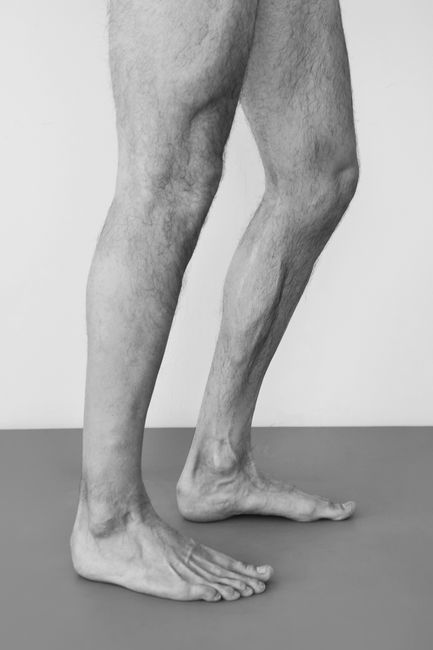
The lower legs, consisting of the tibia and fibula, are strong weight-bearing bones but are susceptible to fractures, particularly in high-impact situations. Shin splints, a common overuse injury, cause pain along the tibia. The Achilles tendon, connecting the calf muscles to the heel bone, is prone to rupture or tendinitis, particularly in athletes.
The ankles, crucial for mobility and balance, are frequently injured. Ankle sprains, involving the stretching or tearing of ligaments, are the most common injury, often occurring with inversion of the foot. Fractures of the tibia, fibula, and talus can occur with significant trauma. The feet, bearing the entire body’s weight, are susceptible to a myriad of problems. Plantar fasciitis, inflammation of the thick band of tissue on the sole of the foot, is a common cause of heel pain. Stress fractures, particularly in the metatarsals, can occur with repetitive impact. Bunions, hammertoes, and ingrown toenails are common foot deformities and conditions. The toes themselves, while small, are vulnerable to being stubbed or fractured.
Finally, the skin, the body’s largest organ, acts as a primary barrier against the environment. However, it is susceptible to burns, cuts, abrasions, infections, and skin cancers. Scar tissue formation, while part of the healing process, can lead to reduced flexibility and function. The network of veins and arteries throughout the body is vulnerable to blockages (atherosclerosis), inflammation (vasculitis), and rupture (aneurysms), impacting blood flow and oxygen delivery to tissues. Nerves, carrying sensory and motor signals, can be compressed, severed, or damaged by disease, leading to pain, weakness, and loss of sensation. The lymphatic system, crucial for immune function and fluid balance, can be compromised by infections or cancer, leading to swelling (lymphedema). The endocrine system, with its network of glands producing hormones, can be disrupted by diseases like diabetes, thyroid disorders, and adrenal insufficiency, leading to widespread physiological dysregulation. The immune system, designed to protect against pathogens, can itself become a source of vulnerability through autoimmune diseases, where the body attacks its own tissues, or immunodeficiency disorders, where the body’s ability to fight infection is compromised. This comprehensive overview highlights the intricate web of interconnectedness and vulnerability within the human anatomical framework.