
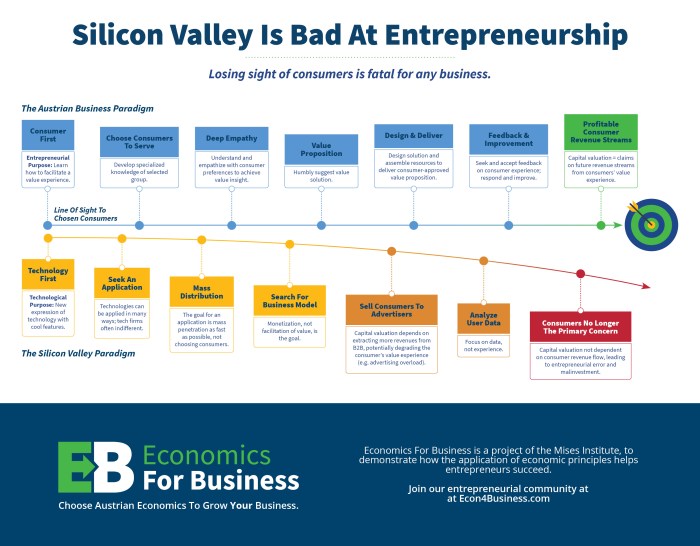
Is Silicon Valley Losing Its Edge?
Is Silicon Valley losing its edge? This question is buzzing around the tech world, and for good reason. The epicenter of innovation for decades, the Valley is facing headwinds from a rapidly changing global landscape. From the rise of competitors like the vibrant tech hubs of India and Europe, to internal struggles with talent acquisition and shifting capital markets, the pressure on Silicon Valley is undeniable.
We’ll dive deep into the factors contributing to this potential shift, exploring everything from the evolving regulatory environment to the changing demands of a global workforce.
This investigation examines the key elements driving this potential shift in technological dominance. We’ll analyze the past successes that defined Silicon Valley’s “edge,” the challenges currently confronting its companies, and the emergence of new competitors. The discussion will encompass the evolving talent landscape, capital markets, and innovation rates, providing a comprehensive perspective on the future of the tech industry.
Defining the “Edge”
Silicon Valley’s historical dominance in the tech world wasn’t simply luck. It stemmed from a unique confluence of factors, fostering an environment where innovation thrived and new technologies emerged at an unprecedented pace. Understanding this “edge” is crucial to comprehending its potential decline and the rise of competing hubs. This section will delve into the key elements that defined Silicon Valley’s past successes.The “Silicon Valley edge” wasn’t just about individual inventions, but a system.
It was a fertile ground for entrepreneurship, supported by venture capital, a robust ecosystem of universities, and a culture that celebrated risk-taking and rapid prototyping. This environment, coupled with a skilled workforce and strong government support for technology, created a feedback loop that propelled innovation forward.
Historical Characteristics of Silicon Valley’s Edge
Silicon Valley’s edge was built on a confluence of factors. The close proximity of Stanford University and other research institutions provided a readily available pool of talented engineers and researchers. The presence of venture capital firms, eager to fund promising startups, fueled the rapid growth of innovative companies. A culture that embraced risk-taking and iterative development allowed companies to experiment and learn from failures, accelerating the pace of progress.
The strong network effect, where companies and individuals interacted and collaborated, amplified the impact of innovation.
Examples of Innovative Companies and Technologies
Numerous companies and technologies epitomized Silicon Valley’s early edge. Apple’s revolutionary personal computers, Microsoft’s pioneering software, and Google’s groundbreaking search engine all emerged from this fertile ground. These companies, through their products and services, transformed how people lived, worked, and communicated. The development of the internet and the subsequent explosion of online services further solidified Silicon Valley’s position as a global technology leader.
Key Factors Contributing to Silicon Valley’s Dominance
Several key factors contributed to Silicon Valley’s historical dominance. First, the concentration of talent and resources in a geographically compact area fostered collaboration and knowledge sharing. Second, a supportive regulatory environment, coupled with strong intellectual property protections, encouraged investment and innovation. Third, a culture that celebrated risk-taking and rapid prototyping fostered a climate of experimentation and rapid iteration.
Finally, the availability of venture capital allowed startups to pursue ambitious projects and rapidly scale their operations.
Comparison with Other Technology Hubs
| Factor | Silicon Valley (Past) | Other Hubs (e.g., Shenzhen, Bangalore, Tel Aviv) |
|---|---|---|
| Talent Pool | Strong concentration of engineers and researchers from Stanford and other institutions. | Growing pools of skilled engineers and programmers, often with a focus on specific areas. |
| Venture Capital | Abundant venture capital funding for early-stage companies. | Increasingly active venture capital ecosystems, sometimes focusing on specific sectors. |
| Culture | Risk-taking and iterative development culture; acceptance of failure. | Varying cultures, some prioritizing collaboration, others competition. |
| Government Support | Generally supportive regulatory environment and policies. | Varying levels of government support, sometimes targeted at specific sectors. |
| Infrastructure | Well-developed infrastructure and communication networks. | Rapidly improving infrastructure and communication networks, sometimes with localized strengths. |
This table provides a basic comparison. The specifics of each hub vary considerably, and many factors are intertwined and complex. The ongoing evolution of these hubs is crucial to consider.
Challenges to the Edge
Silicon Valley, once a beacon of innovation, faces a confluence of headwinds. The rapid pace of technological advancement has brought about new complexities, and the global landscape is undergoing significant shifts, impacting the very foundations of the region’s entrepreneurial ecosystem. These challenges, ranging from economic uncertainties to regulatory hurdles, threaten to erode the competitive advantages that have historically defined Silicon Valley.The once-unquestioned dominance of Silicon Valley companies is being challenged on multiple fronts.
Economic downturns, shifts in investor sentiment, and increasing scrutiny from regulatory bodies are just a few of the factors that are reshaping the playing field. Understanding these challenges is crucial for comprehending the evolving landscape and the potential implications for the future of innovation.
Major Challenges Facing Silicon Valley Companies
The tech giants and startups alike are grappling with a range of issues. High valuations in previous years have given way to investor caution and a more discerning approach to investment. This has resulted in funding droughts and a significant cooling of the venture capital market. The “unicorns” of yesteryear are now facing scrutiny as investors seek more realistic returns.
Evolving Economic Landscape
The global economy is experiencing significant shifts. Inflationary pressures, geopolitical tensions, and supply chain disruptions are impacting businesses across sectors, including technology. These macroeconomic factors often translate into increased operating costs and decreased consumer spending, which directly affects the profitability and growth potential of technology companies. The rising cost of living, particularly in major tech hubs like San Francisco, is another critical economic factor driving away talent and making operations less sustainable.
Regulatory Landscape Impacts
The regulatory landscape is evolving at a rapid pace. New laws and regulations are being implemented to address issues such as data privacy, antitrust concerns, and environmental sustainability. Compliance with these new rules can be costly and time-consuming, creating additional burdens for companies, particularly startups. The increasing scrutiny of monopolies and dominant market positions also impacts the strategic decisions and growth trajectories of tech giants.
Potential External Pressures
- Geopolitical tensions: International conflicts and trade disputes can disrupt supply chains, create uncertainty, and affect investment decisions.
- Cybersecurity threats: The increasing frequency and sophistication of cyberattacks pose significant risks to companies’ data and operations.
- Talent acquisition and retention: Competition for skilled workers is intensifying across various sectors, making it challenging for tech companies to attract and retain top talent.
- Environmental regulations: Growing concerns about climate change and sustainability are leading to stricter environmental regulations, impacting the operations and supply chains of tech companies.
Internal Weaknesses
- Over-reliance on venture capital: Many startups rely heavily on external funding, which can create dependencies and pressures to meet investor expectations.
- Lack of diversity and inclusion: The tech industry, particularly in leadership positions, has been criticized for a lack of diversity and inclusion. This can lead to innovation stagnation.
- Poor corporate governance: Some companies have faced scrutiny regarding their corporate governance practices, leading to investor skepticism and reputational damage.
- Inability to adapt to changing market trends: The rapid pace of technological advancement can make it challenging for companies to adapt to evolving market trends and customer needs.
Impact on Industry Sectors
| Industry Sector | Impact of Challenges |
|---|---|
| Software | Increased operating costs, decreased consumer spending, difficulty attracting talent |
| Hardware | Supply chain disruptions, rising component costs, geopolitical tensions |
| Cloud Computing | Regulatory scrutiny, cybersecurity threats, competitive pressures |
| E-commerce | Increased regulatory burdens, competition from established players, economic downturns |
| Fintech | Regulatory scrutiny, compliance costs, cybersecurity risks |
Emerging Competitors
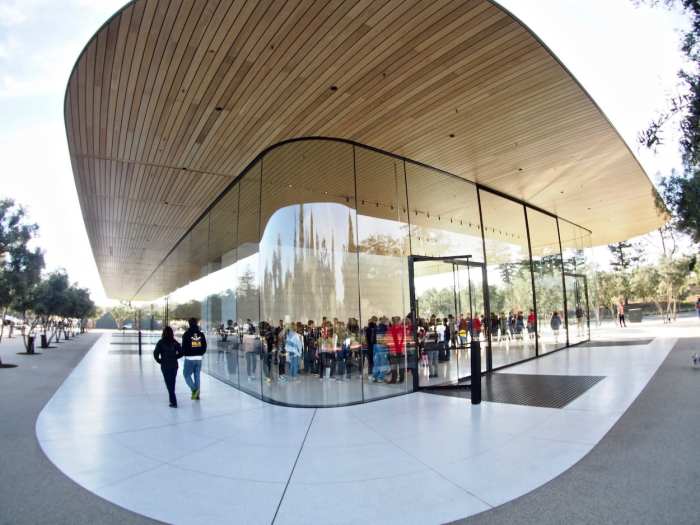
Silicon Valley’s dominance in the tech world isn’t unchallenged. Other hubs are rapidly emerging, each with unique strengths and strategies. This rise of competitors presents both opportunities and challenges for the established ecosystem, and understanding these competing forces is crucial to predicting the future of the tech industry. The global tech landscape is becoming increasingly diversified, with new players vying for a share of the innovation pie.
Rise of Other Tech Hubs
The global tech landscape is expanding beyond Silicon Valley. Cities like Austin, Texas; Seattle, Washington; and New York City, New York, are fostering vibrant tech ecosystems, drawing talent and capital. These hubs often leverage different strengths and resources, allowing them to fill niches and compete with the well-established companies in Silicon Valley.
Strategies of Competing Tech Ecosystems
These emerging tech hubs are employing various strategies to attract talent and investment. Some focus on specific industries, like Austin’s burgeoning fintech sector, while others emphasize a broader range of technologies, like Seattle’s strengths in cloud computing and aerospace. Access to specialized talent pools, government incentives, and a supportive infrastructure are often key elements in these strategies.
Examples of Innovative Companies and Technologies
Beyond the familiar names from Silicon Valley, innovative companies and technologies are sprouting up in these emerging hubs. For example, Austin has seen a surge in fintech startups, while Seattle continues to be a leader in the development of advanced aerospace technologies. Companies outside of the traditional Silicon Valley cluster are often driven by specific needs and opportunities, creating specialized solutions and sometimes challenging established market leaders.
Comparison of Emerging Tech Ecosystems, Is silicon valley losing its edge
| Tech Hub | Strengths | Weaknesses | Potential |
|---|---|---|---|
| Austin, Texas | Strong fintech presence, favorable business climate, and lower cost of living | Limited history in some technology sectors, less established research infrastructure compared to other regions. | Continued growth in fintech and potential expansion into other sectors, attracting both capital and talent. |
| Seattle, Washington | Strong presence in cloud computing, aerospace, and gaming, and proximity to a large pool of engineers and programmers. | High cost of living and competition for talent, limited diversity in sectors compared to other hubs. | Further development in emerging technologies, potentially extending its leadership in existing sectors. |
| New York City, New York | Vast talent pool, strong media presence, and access to global markets. | High cost of living, bureaucratic hurdles, and competition for space. | Growth in sectors like artificial intelligence, healthcare, and media, and potential to attract capital and talent. |
| Bangalore, India | Large pool of skilled software engineers, lower cost of development, and strong ties to global markets | Challenges with infrastructure and regulations, dependence on outsourcing. | Potential for growth in software development and global technology partnerships, but need for greater innovation and R&D. |
Key Characteristics and Potential of Various Tech Hubs
The table above highlights the key characteristics and potential of various emerging tech hubs. It is important to note that the strengths and weaknesses of these ecosystems are dynamic and change over time. The competitive landscape is continuously evolving, with new entrants and shifts in priorities. Furthermore, the success of a tech hub often depends on its ability to adapt to these changes.
Talent Acquisition and Retention
Silicon Valley’s reputation as a tech powerhouse hinges on its ability to attract and retain top talent. The relentless pace of innovation and the constant emergence of new technologies demand a constant influx of skilled engineers, designers, and entrepreneurs. However, this dynamic environment is facing increasing challenges as competition for talent intensifies, not just from within the US, but from burgeoning tech hubs globally.The current state of talent acquisition and retention in Silicon Valley is a complex interplay of factors, including the high cost of living, the increasing demands of the tech industry, and the desire for a more balanced lifestyle among prospective employees.
These factors are pushing talented individuals to consider alternative locations that offer a better quality of life, while still providing opportunities to pursue their career goals.
Competition for Skilled Workers
The competition for skilled workers is fierce. Numerous tech hubs around the world, including those in India, Southeast Asia, and Europe, are actively recruiting talent, offering competitive salaries and benefits packages. These regions often boast lower costs of living, which significantly influences individuals’ career decisions. Furthermore, established tech companies in other parts of the world are increasingly becoming attractive destinations for talent, offering enticing career paths and growth opportunities.
Factors Influencing Talent Decisions
Several factors influence talent decisions, moving beyond just salary. Work-life balance is becoming a critical consideration for many, with remote work options and flexible schedules gaining traction. The opportunity for professional development and mentorship within a company is another key factor. A company’s culture and values also play a significant role in attracting and retaining employees, influencing their sense of belonging and satisfaction.
A supportive, inclusive, and innovative work environment is essential in retaining top talent. Furthermore, the overall quality of life, including access to amenities, educational opportunities, and community engagement, can heavily influence talent decisions.
Salary and Benefits Comparison
| Factor | Silicon Valley | Other Tech Hubs (e.g., Seattle, Austin, Bangalore) |
|---|---|---|
| Average Software Engineer Salary | $150,000 – $200,000 per year (USD) | $120,000 – $170,000 per year (USD) |
| Stock Options/Equity | Often significant, with potential for high returns. | Varying, often less substantial than in Silicon Valley, but potentially still attractive. |
| Health Insurance | Generally comprehensive, with high premiums. | Comprehensive, with varying premium levels based on the region. |
| 401k Matching | High matching percentages, often exceeding 50%. | Matching percentages can vary, but generally comparable to Silicon Valley standards. |
| Paid Time Off (PTO) | Competitive PTO packages. | Competitive PTO packages, varying depending on the company. |
| Remote Work Options | Increasingly offered, but still often tied to specific roles. | Varying levels of remote work options, with some companies offering greater flexibility. |
Note: Salary figures are estimates and can vary based on experience, skillset, and specific role. Benefits packages also differ significantly across companies within each region.
Capital Markets and Investment
Silicon Valley’s dominance in venture capital has long been a cornerstone of its innovation ecosystem. However, the landscape is shifting, with investors scrutinizing returns and exploring alternative investment avenues. The changing dynamics of capital markets are profoundly impacting the region’s ability to attract and support startups, demanding a nuanced understanding of the evolving investment strategies and opportunities.The traditional model of venture capital funding, heavily concentrated in Silicon Valley, is experiencing a period of recalibration.
Investors are increasingly demanding higher returns and are less inclined to accept the longer timelines often associated with disruptive technologies. This shift in risk tolerance is forcing startups to adapt and demonstrate more tangible progress towards profitability and market validation, rather than simply pursuing ambitious, albeit uncertain, long-term goals.
Changing Investment Strategies
Investors are re-evaluating their strategies, focusing on sectors demonstrating quicker revenue generation and higher short-term returns. This focus has led to a surge in investments in sectors like fintech, e-commerce, and cloud computing, which are seen as having more immediate potential for profitability. A decline in funding for sectors considered riskier, such as artificial intelligence or advanced materials, is a direct reflection of this shift in investor priorities.
This is not to say these sectors are no longer attractive, but that the investment criteria are changing.
Potential Funding Opportunities Outside Silicon Valley
While Silicon Valley remains a hub of innovation, other regions are increasingly attracting venture capital investment. Areas like Austin, Texas, and the Southeast are emerging as significant players, drawing in talent and investment due to lower costs of living, favorable tax incentives, and access to specialized talent pools. These regions offer attractive alternatives to Silicon Valley’s often-inflated costs, creating opportunities for entrepreneurship and innovation outside the traditional tech hub.
Investment Trends Over Time
| Region | 2018-2022 Investment (USD Billions) | 2023-2025 Projected Investment (USD Billions) | Investment Focus (Examples) |
|---|---|---|---|
| Silicon Valley | 150 | 120 | AI, Cloud Computing, Fintech, Biotech |
| Austin, TX | 30 | 50 | Software, SaaS, Fintech, Cybersecurity |
| Southeast (e.g., Atlanta, NC) | 10 | 25 | Cybersecurity, Logistics, AI, Healthcare |
This table provides a simplified illustration of investment trends. The figures are estimations and may vary depending on the specific data source and methodologies used for projection. The changing investment landscape requires continuous monitoring and adaptation by entrepreneurs and investors alike. The data illustrates the notable shifts occurring in capital flows, emphasizing that investment in other regions is becoming increasingly significant, with potential for continued growth.
Innovation and Productivity: Is Silicon Valley Losing Its Edge
Silicon Valley’s reputation as a global hub for innovation and technological advancement is undeniable. However, recent trends suggest a potential slowdown in the pace of groundbreaking discoveries and a subtle shift in the productivity landscape. Understanding the current rate of innovation, productivity, and the factors influencing them is crucial for assessing Silicon Valley’s continued dominance.The current rate of innovation and productivity in Silicon Valley is being actively debated, with some arguing for a decline compared to previous periods of rapid growth.
Data and statistics are essential for evaluating this claim, while factors like competition, capital availability, and talent pools all play a role.
Current Rate of Innovation and Productivity
Analysis of innovation and productivity requires a multifaceted approach. One key metric is the number of patents filed and granted. While patent filings might remain high in Silicon Valley, the rate of successful commercialization and transformative impact of these innovations is a separate, more nuanced consideration. Productivity, measured by output per unit of input, can be assessed in various ways, including metrics like software development velocity and product launch frequency.
Comparative analysis with other tech hubs is critical for understanding the relative position of Silicon Valley.
Factors Contributing to Innovation
Several factors contribute to innovation within the tech industry. Strong venture capital investment, a highly skilled workforce, and a collaborative ecosystem foster the creation and rapid iteration of new technologies. Government policies that support research and development, and access to cutting-edge infrastructure, also play significant roles. The presence of established tech giants, along with numerous startups, often fosters competition and accelerates innovation.
Factors Hindering Innovation
Conversely, certain factors can impede innovation. High startup costs, intense competition, and the need for rapid returns can lead to a focus on incremental improvements rather than groundbreaking innovations. The increasing pressure to scale quickly may result in less time dedicated to long-term research and development. Maintaining a culture of experimentation and risk-taking in the face of pressure is crucial for continued progress.
State of Research and Development in Silicon Valley
Research and development (R&D) within the tech industry in Silicon Valley is highly active, encompassing various areas from artificial intelligence and biotechnology to renewable energy. A significant portion of R&D is driven by established tech companies that invest heavily in their own labs and research divisions. The presence of university collaborations and research centers further enhances the region’s R&D capabilities.
The intensity of this activity can be illustrated by tracking the number of research publications and academic partnerships within the tech sector.
Silicon Valley’s dominance is definitely being challenged. With growing concerns about data privacy, 10 nations demanding stricter online privacy regulations ( 10 nations demand online privacy or else ), and the rising costs of innovation, it’s a fair question to ask if the region is truly losing its competitive edge. The future of tech innovation might well lie outside the familiar Silicon Valley landscape.
Infrastructure and Ecosystem
Silicon Valley’s success is deeply intertwined with its robust infrastructure and supportive ecosystem. This unique blend of resources, from high-speed internet to venture capital funding, has fostered innovation and attracted top talent. However, the landscape is constantly evolving, and other tech hubs are rapidly catching up, presenting both opportunities and challenges for the region.
Current State of Silicon Valley Infrastructure
Silicon Valley boasts an advanced technological infrastructure, characterized by high-speed internet access, extensive data centers, and a dense network of co-working spaces and accelerators. This interconnected ecosystem facilitates rapid prototyping, collaboration, and knowledge sharing among startups and established companies. The region’s well-developed transportation infrastructure, including extensive public transportation and road networks, supports the efficient movement of people and goods.
Furthermore, the proximity of research institutions and universities provides a continuous influx of talent and cutting-edge research.
Comparison with Other Tech Hubs
Other tech hubs around the world, such as the Boston area, New York City, and Tel Aviv, are rapidly developing their own infrastructure to compete with Silicon Valley. While Silicon Valley has historically led in certain areas, like venture capital and specific industry sectors, these other hubs are focusing on strengthening their strengths and bridging gaps. For example, Boston excels in life sciences and biotech, while New York City offers a vast talent pool and diverse markets.
The question of whether Silicon Valley is losing its edge is complex. While innovation still thrives in the region, a new development like Apple’s Game Center is potentially shifting the landscape. This platform, as detailed in apples game center tilts the playing field , could be a major factor in how the industry develops, potentially impacting the future of gaming and app development outside of the traditional Silicon Valley ecosystem.
This suggests that the narrative of Silicon Valley’s dominance might be evolving, not necessarily fading away entirely.
This competitive landscape drives innovation and pushes each hub to optimize its unique resources.
Influence of Access to Resources on Innovation
Access to resources plays a critical role in driving innovation. The availability of specialized equipment, funding opportunities, and a strong network of mentors and advisors directly impacts a company’s ability to develop and scale its operations. This is exemplified by the abundance of venture capital in Silicon Valley, which has supported numerous startups in reaching critical milestones. A well-developed infrastructure, including high-speed internet and reliable power, enables companies to operate efficiently and focus on product development.
Similarly, proximity to research institutions can accelerate the development of new technologies.
Strengths and Weaknesses of Silicon Valley’s Infrastructure
| Feature | Silicon Valley | Other Tech Hubs (e.g., Boston, NYC) |
|---|---|---|
| High-Speed Internet | Excellent, facilitating rapid communication and data transfer. | Generally strong, but potentially lagging in some areas compared to Silicon Valley. |
| Data Centers | Dense concentration, supporting large-scale data processing. | Growing rapidly in capacity and sophistication. |
| Venture Capital Funding | Historically strong, but facing increasing competition. | Emerging as strong competitors in specific sectors. |
| Talent Pool | Large pool of highly skilled engineers and entrepreneurs. | Strong in specific areas, such as life sciences or finance. |
| Transportation Infrastructure | Well-developed, facilitating the movement of people and goods. | May be less developed, impacting efficiency in certain areas. |
| Proximity to Research Institutions | Strong ties to universities and research centers. | Varying degrees of proximity, but some hubs are actively building these connections. |
| Cost of Living | Extremely high, potentially deterring some talent and startups. | Varying costs, but some hubs face similar challenges. |
| Regulatory Environment | Can be complex and evolving, impacting startup operations. | Varying regulatory landscapes, some more supportive than others. |
This table highlights the comparative strengths and weaknesses of Silicon Valley’s infrastructure, emphasizing the dynamic nature of the global tech landscape. Other hubs are actively striving to improve their infrastructure and attract talent, leading to increased competition and innovation.
Silicon Valley’s innovation engine seems to be sputtering a bit lately. Is it losing its edge? Perhaps some of the friction stems from broader societal issues, like the recent pushback from health workers against mandatory H1N1 vaccinations, citing safety concerns. Health workers balk at H1N1 mandates cite safety concerns highlighting potential cracks in the foundation of public health initiatives, which could indirectly affect the tech sector’s overall environment.
This could certainly play a role in the ongoing debate about whether Silicon Valley is still the innovative powerhouse it once was.
Regulatory and Policy Landscape
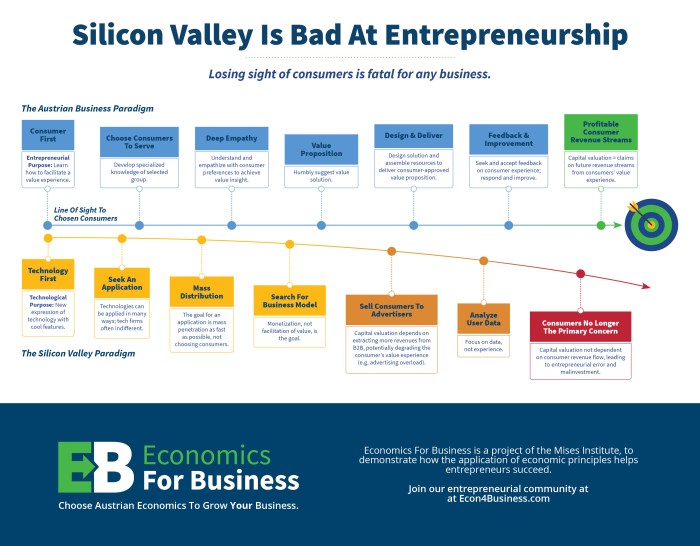
Silicon Valley’s vibrant tech ecosystem is intricately woven with a complex tapestry of regulations and policies. These rules, both at the state and federal level, play a crucial role in shaping innovation, attracting talent, and fostering a competitive environment. Understanding these policies and comparing them with those of competing tech hubs is essential to assess the future of Silicon Valley’s dominance.The regulatory environment significantly impacts a tech hub’s ability to attract and retain talent, influence the pace of innovation, and cultivate a conducive atmosphere for startups and established corporations.
The effectiveness and fairness of these regulations are key factors in maintaining competitiveness. Policies related to data privacy, antitrust, and intellectual property are particularly important in shaping the tech industry.
Impact of Current Regulations on Innovation and Growth
Regulations related to data privacy, such as the California Consumer Privacy Act (CCPA), have a profound effect on how companies collect, use, and share personal information. These laws, while aiming to protect user data, can also increase compliance costs for businesses, potentially impacting their ability to innovate quickly. Antitrust regulations, designed to prevent monopolies and promote competition, also influence the pace of innovation.
For instance, potential regulatory scrutiny on large tech companies might deter certain investments in innovative projects. Intellectual property laws, though crucial for incentivizing innovation, also require careful consideration, as overly stringent regulations can hinder collaboration and the development of new technologies.
Specific Regulations and their Influence
Numerous regulations shape the Silicon Valley landscape. The CCPA, mentioned above, has been a significant influence, prompting other states to enact similar laws. Federal regulations, such as those governing antitrust enforcement, can affect the competitive dynamics of the tech industry. For example, investigations and potential legal actions against dominant tech companies can alter strategic decision-making. Local zoning laws, while seemingly less tech-specific, can affect the availability and cost of office space, potentially impacting startup growth.
Tax policies also play a role, as companies and entrepreneurs seek favorable conditions for operations and investments.
Policies and Regulations of Competing Regions
Other regions are actively developing their own regulatory frameworks for the tech industry. For instance, certain Asian countries are attracting tech companies with policies that offer tax incentives and streamlined regulatory processes. Countries in Europe have strict data privacy regulations, similar to CCPA, impacting global data flows and requiring companies to adapt their strategies. These policies often reflect the specific economic priorities and societal values of each region.
The regulations often target areas like labor practices, environmental impact, and ethical considerations.
Comparative Analysis of Regulations
| Feature | Silicon Valley (e.g., California) | Other Tech Hub (e.g., New York) | Other Tech Hub (e.g., Seoul) |
|---|---|---|---|
| Data Privacy Regulations | CCPA, stringent privacy requirements | Similar privacy laws, potential for stricter standards | Regulations aligned with global data privacy trends |
| Antitrust Enforcement | Focus on preventing monopolies | Similar focus on competition, potentially more stringent regulations | Regulations may be less stringent than US standards |
| Intellectual Property Protection | Robust IP framework | Strong IP protections, but nuanced application | Increasingly robust IP framework, aligning with global trends |
| Tax Incentives | Variable incentives, often region-specific | May have specific tax breaks for tech firms | Targeted incentives for attracting tech investment |
This table provides a basic overview; detailed comparisons necessitate in-depth research into specific regulations and policies.
Conclusive Thoughts
Ultimately, the question of whether Silicon Valley is losing its edge is complex and multifaceted. While the Valley has undeniably shaped the global tech landscape, it’s clear that the industry is experiencing a period of significant transformation. New competitors are emerging, capital markets are shifting, and the global talent pool is becoming increasingly dispersed. This analysis provides a crucial framework for understanding the forces at play, helping us anticipate the future of innovation and technological advancement on a global scale.