

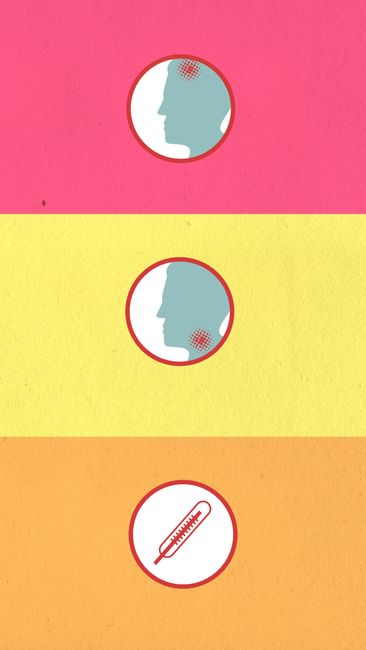
Flu Fear Goes Viral: Navigating the Digital Outbreak of Anxiety
The digital landscape, a ubiquitous force shaping modern communication and information dissemination, has become a potent amplifier of public health anxieties, particularly concerning seasonal influenza. In an era where information, both factual and speculative, travels at unprecedented speeds, "flu fear goes viral" is more than a catchy phrase; it’s a palpable phenomenon. Social media platforms, online news aggregators, and personal blogs create a fertile ground for the rapid spread of concerns, anxieties, and misinformation surrounding the flu. This article delves into the multifaceted ways flu fear manifests and propagates online, exploring the underlying psychological drivers, the mechanisms of viral spread, the impact of misinformation, and strategies for responsible online engagement and mitigation. Understanding this digital contagion is crucial for public health communicators, healthcare professionals, and the general public alike, enabling a more informed and less fear-driven approach to influenza preparedness and response. The sheer volume of daily online content, coupled with the inherent biases of algorithms that prioritize engagement, often leads to a disproportionate focus on worst-case scenarios, fueling a cycle of heightened anxiety that can overshadow rational preparedness measures.
The psychological underpinnings of flu fear’s virality are deeply rooted in human nature. Fear itself is a primal emotion, designed to alert us to danger. When faced with potential threats, our brains are wired to seek information and react. The internet, with its constant stream of updates and personal narratives, provides an endless supply of perceived threats related to the flu. This is exacerbated by confirmation bias, where individuals actively seek out and interpret information that aligns with their pre-existing beliefs, including those about the severity of the flu. If someone is already anxious about the flu, they are more likely to click on sensationalized headlines, engage with alarming posts, and remember anecdotal evidence that reinforces their fear. Furthermore, the concept of social proof plays a significant role. When numerous people express concern or fear about the flu online, it can validate and amplify those feelings in others. Witnessing a cascade of worried posts can create a sense of collective anxiety, making the threat feel more real and immediate, even if the statistical evidence doesn’t support such widespread alarm. The online environment, characterized by its anonymity and rapid-fire communication, also allows for the unfiltered expression of anxieties, which can then be amplified through shares, likes, and comments, creating an echo chamber of fear. The visual nature of many social media platforms further contributes, with images and videos, even if taken out of context or misrepresentative, carrying a powerful emotional impact.
The mechanisms through which flu fear goes viral online are diverse and interconnected. Social media platforms are the primary conduits. Algorithms designed to maximize user engagement often push trending topics, which can include discussions about influenza outbreaks, public health advisories, or even personal stories of illness. This creates a feedback loop where popular, fear-inducing content is shown to more users, leading to further engagement and wider dissemination. Hashtags serve as powerful organizing tools, allowing users to aggregate and discover content related to the flu. Popular hashtags like #FluSeason, #Influenza, or even more localized and urgent tags can become central hubs for the viral spread of information, both accurate and inaccurate. Online news outlets and blogs, driven by the need for clicks and readership, may also resort to sensationalized headlines and alarmist reporting to capture attention. This "clickbait" approach, while effective in generating traffic, can contribute significantly to public anxiety. Word-of-mouth in the digital age is no longer confined to physical proximity. Online forums, chat groups, and comment sections allow for rapid peer-to-peer dissemination of personal experiences and opinions, which can range from informed advice to unsubstantiated fears. The ease with which individuals can share information, often without critical evaluation, facilitates the rapid propagation of anxieties. The speed of sharing, coupled with the emotional resonance of fear, often bypasses rational consideration, making the online flu fear contagion a significant public health challenge.
Misinformation and disinformation are critical components in the virality of flu fear. Misinformation refers to unintentionally false information, often spread by individuals who believe it to be true. This can include inaccurate statistics about flu severity, misunderstandings about vaccine efficacy, or misinterpretations of public health guidelines. Disinformation, on the other hand, is the intentional creation and dissemination of false information with the intent to deceive or manipulate. This can range from anti-vaccine propaganda to conspiracy theories about the origins of the flu. The online environment, with its lack of editorial oversight and the speed of dissemination, makes it incredibly difficult to control the spread of false narratives. Once a piece of misinformation gains traction, it can be shared and retweeted thousands of times, reaching a vast audience before it can be effectively debunked. The emotional appeal of conspiracy theories, which often offer simplistic explanations for complex problems, makes them particularly susceptible to viral spread. For example, claims that flu vaccines cause more harm than good, or that the flu is a manufactured pandemic, often gain traction due to their ability to tap into existing distrust of authorities. The sheer volume of content also makes it challenging for individuals to discern credible sources from unreliable ones.
The impact of online flu fear on individuals and public health is multifaceted. For individuals, heightened anxiety can lead to unnecessary stress and worry, impacting mental well-being. This can manifest as sleep disturbances, irritability, and even a reluctance to engage in normal social activities due to fear of contagion. It can also lead to over-treatment, with individuals seeking medical attention for mild flu symptoms or overusing over-the-counter remedies, straining healthcare resources. In some cases, extreme fear can lead to avoidance behaviors, such as school or work absenteeism, impacting productivity and economic activity. From a public health perspective, the viral spread of fear can undermine trust in public health institutions and scientific recommendations. When a significant portion of the population is swayed by misinformation, it can lead to decreased vaccination rates, making communities more vulnerable to influenza outbreaks. It can also lead to panic buying of essential supplies, creating shortages and further exacerbating public anxiety. The diversion of resources to address the consequences of fear, such as managing overwhelmed emergency rooms or combating the spread of misinformation, detracts from essential public health efforts. The digital amplification of fear can also lead to a cycle where actual flu outbreaks are perceived as more severe than they are, making it harder to gauge the true public health impact and implement targeted interventions.
Mitigating the viral spread of flu fear requires a multi-pronged approach involving public health organizations, healthcare professionals, and responsible online engagement from individuals. Proactive and transparent communication from public health authorities is paramount. This includes providing clear, accurate, and up-to-date information about influenza, its risks, and prevention strategies through accessible channels. Utilizing social media effectively, by sharing accurate infographics, debunking common myths, and engaging in two-way communication with the public, is essential. Healthcare professionals play a crucial role in educating their patients, addressing their concerns, and providing evidence-based information. They can act as trusted sources of information in a sea of online noise. Media literacy education is vital for empowering individuals to critically evaluate online content, identify reliable sources, and recognize the signs of misinformation. Teaching people how to fact-check, cross-reference information, and be aware of algorithmic biases can help them navigate the digital landscape more effectively.
Furthermore, social media platforms themselves have a responsibility to implement measures to combat the spread of health misinformation. This can include partnering with public health organizations, flagging or downranking false information, and promoting authoritative sources. Developing and enforcing policies against the dissemination of harmful health-related content is crucial. For individuals, practicing mindful online consumption is key. This involves being aware of the emotional impact of online content, taking breaks from social media when feeling overwhelmed, and actively seeking out diverse and credible sources of information. It’s important to remember that online narratives often represent extreme viewpoints and may not reflect the broader reality. Engaging in respectful online discourse and avoiding the spread of unverified information are essential for fostering a more informed and less anxious online environment. The goal is not to suppress all discussion about the flu, but rather to ensure that the information circulating is accurate, balanced, and conducive to rational preparedness rather than irrational panic. This requires a collective effort to foster a more discerning and resilient digital community.
The ongoing evolution of the digital landscape necessitates a continuous adaptation of strategies for addressing the virality of flu fear. Emerging platforms and evolving user behaviors require public health communicators to remain agile and innovative in their approach. This includes exploring new content formats, such as short-form videos or interactive Q&A sessions, to disseminate information effectively. The use of influencer marketing for public health campaigns, when done ethically and with careful vetting of influencers, can also be a powerful tool for reaching younger demographics. However, the potential for such campaigns to be co-opted by misinformation or to inadvertently amplify fear must be carefully considered.
Moreover, understanding the network effects of online information spread is crucial. Identifying key influencers and early adopters of both accurate and inaccurate information can help public health efforts to target their interventions more effectively. This involves analyzing online conversations, tracking the spread of hashtags, and identifying emerging trends in flu-related discussions. The development of AI-powered tools for monitoring social media and identifying potential outbreaks of misinformation is also a promising area of development. These tools can help to flag problematic content for human review and enable a faster response to emerging threats.
Ultimately, combating the viral spread of flu fear is not simply about dispelling myths; it’s about fostering a more informed, resilient, and critically thinking digital citizenry. It requires a long-term commitment to education, transparent communication, and the responsible use of technology. The internet, while a conduit for anxiety, can also be a powerful tool for empowerment and preparedness. By harnessing its potential for accurate information dissemination and fostering a culture of healthy skepticism and critical evaluation, we can navigate the digital outbreaks of fear more effectively, ensuring that public health responses are guided by science and reason, not by the amplified anxieties of the online world. The constant vigilance and adaptive strategies are not merely optional; they are fundamental to maintaining public trust and ensuring effective public health outcomes in the digital age. The success of these efforts hinges on a collaborative ecosystem where technology, public health, media, and individuals all play their part in shaping a more informed online discourse surrounding health.











No comments yet. Be the first to join the conversation!