

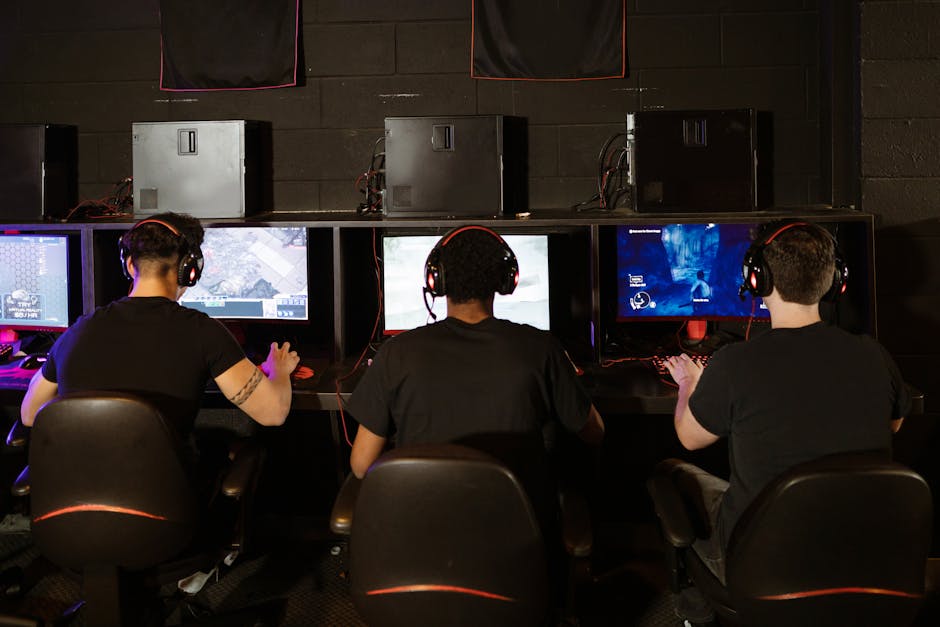
Unwind and Connect: Mastering the Art of Relaxed Online Social Gaming
The digital landscape offers a vast playground for connection and entertainment, and within it, online social gaming has emerged as a dominant force for casual enjoyment. This isn’t about grueling esports training or chasing competitive glory; it’s about unwinding, de-stressing, and fostering genuine connections through shared digital experiences. The beauty of this sector lies in its accessibility and diverse offerings, catering to a spectrum of preferences, from laid-back cooperative adventures to lighthearted competitive showdowns. For those seeking respite from the pressures of daily life, strategically engaging with the online social gaming scene provides a potent antidote. It’s a space where strategy meets sociability, and the primary objective is often as simple as having a good time with like-minded individuals. Understanding the nuances of this environment, from platform selection to effective communication, is key to unlocking its full potential for relaxation and social fulfillment. This article will delve into the core elements that define relaxed online social gaming, providing actionable insights for enthusiasts and newcomers alike, ensuring a fulfilling and stress-free digital leisure experience.
The fundamental appeal of relaxed online social gaming lies in its ability to democratize fun. Unlike traditional gaming, which often demands significant time investment and mastery of complex mechanics, social games are typically designed with lower barriers to entry. This inclusivity ensures that individuals of varying skill levels and time availabilities can participate and derive enjoyment. Think of the ubiquitous appeal of titles like Among Us, which prioritizes communication and deduction over intricate gameplay. Or the enduring popularity of cooperative building games such as Minecraft in its creative modes, where collaboration and shared vision supersede intense challenges. The social aspect is paramount; these games thrive on interaction, laughter, and the formation of ephemeral or lasting friendships. The inherent low-stakes nature of many social games also contributes to their stress-reducing qualities. Victories are celebrated, but losses are rarely devastating, fostering an atmosphere of lighthearted camaraderie. Furthermore, the asynchronous or flexible nature of many social games allows players to dip in and out as their schedules permit, a critical factor for busy individuals seeking brief but rewarding moments of escape. The visual aesthetics of these games also often lean towards vibrant, engaging, and non-intimidating designs, further enhancing their appeal as a relaxing pastime. This accessibility, combined with a focus on social interaction and low-pressure gameplay, forms the bedrock of the online social gaming experience for those looking to simply unwind.
Choosing the right platform and games is paramount to cultivating a relaxed social gaming experience. Mobile gaming platforms, with their widespread accessibility and intuitive touch interfaces, host a substantial portion of the social gaming universe. Apps like Words With Friends or Candy Crush Saga offer quick, turn-based challenges that can be enjoyed during brief moments of downtime. The social integration on these platforms, often through Facebook or direct friend invites, makes connecting with existing acquaintances effortless. For those seeking more involved, yet still relaxed, experiences, PC and console platforms offer a deeper dive. Platforms like Steam on PC, or the PlayStation and Xbox networks, boast a vast library of cooperative and multiplayer titles. Games such as Stardew Valley, with its peaceful farming simulation and optional co-op mode, or Fall Guys: Ultimate Knockout, a chaotic but undeniably fun battle royale with a focus on silly physics, exemplify the relaxed social gaming ethos. The key is to identify genres that align with your desired level of engagement. Cooperative puzzle games, creative sandboxes, and lighthearted party games are often excellent starting points. Avoid titles that are heavily reliant on constant high-octane action or possess a notoriously toxic player base, unless you have a dedicated group of like-minded friends already committed to a more structured, yet still fun, approach. Researching game reviews, watching gameplay footage, and paying attention to community discussions can help steer you towards titles that prioritize fun and social interaction over intense competition.
Effective communication is the linchpin of any successful social gaming endeavor. In relaxed settings, communication should be clear, concise, and considerate. In-game chat features, whether text-based or voice, are invaluable tools. For voice chat, platforms like Discord have become the de facto standard for gamers, offering robust server structures that allow for organized group communication, private channels, and high-quality audio. When communicating, remember that the goal is to enhance the shared experience, not to dictate or criticize. Simple callouts, expressions of gratitude, and lighthearted banter all contribute to a positive atmosphere. Avoid excessive negativity or frustration, especially if the game has a learning curve or involves elements of chance. If playing with strangers, adopting a friendly and approachable demeanor can foster a more welcoming environment. Patience is a virtue, particularly when navigating games with new players. Offering gentle guidance or tips without being condescending can make a significant difference. The ability to self-moderate your communication is also crucial. If you find yourself becoming overly frustrated or agitated, it’s perfectly acceptable to take a short break. The essence of relaxed social gaming is enjoyment, and if the communication becomes a source of stress, it defeats the purpose. Building rapport through consistent, positive interactions is key to transforming a group of individuals into a cohesive and enjoyable gaming unit.
Building and maintaining a social circle within the online gaming sphere requires a proactive approach. The initial step often involves leveraging existing connections. Invite friends and family who share similar interests to join you in games. Many social games are designed with easy friend invitation systems, making this process seamless. Beyond your existing network, online gaming communities offer fertile ground for meeting new people. Participating in forums, subreddits, or Discord servers dedicated to specific games can lead to finding like-minded individuals. Engaging in discussions, offering help, and simply being present in these communities can open doors to new friendships. When playing with new people, focus on shared enjoyment. Celebrate successes together, commiserate over minor setbacks, and actively seek opportunities for laughter and lighthearted interaction. Be open to trying different games and playing styles, as this can expose you to new groups and broaden your gaming horizons. Reliability and positivity are also key attributes that attract people. Being a dependable player, showing up for planned gaming sessions, and maintaining an optimistic attitude will make you a desirable companion. Conversely, if you’re looking to establish a more consistent group, consider forming a dedicated guild, clan, or crew within a specific game. This provides a structured framework for regular interaction and shared goals, further solidifying social bonds. The digital realm, while vast, can feel surprisingly intimate when you find your tribe.
Navigating the social dynamics of online gaming, especially in relaxed settings, requires a mindful approach to avoid common pitfalls. One prevalent issue is the presence of toxicity. While social games generally aim for a more positive atmosphere, encounters with negative or aggressive players are inevitable. The most effective strategy is often to disengage. Most platforms offer robust blocking and reporting features. Utilize them without hesitation to remove disruptive individuals from your experience. Muting chat functions is another immediate remedy. Remember that you have control over your online environment. Furthermore, be wary of overly demanding or pushy players, even within a seemingly relaxed game. If a player consistently prioritizes their own perceived objectives over the group’s enjoyment or attempts to micromanage every aspect of the game, it can detract from the relaxed experience. Politely declining their suggestions or, if necessary, finding a different group to play with are valid options. Overcommitting to too many gaming sessions or groups can also lead to burnout. It’s important to set realistic expectations for your gaming time and to prioritize quality over quantity. Finally, remember that the objective is to unwind. If a particular game or group consistently leaves you feeling stressed or drained, it’s a clear signal to reassess your involvement. The beauty of online social gaming lies in its flexibility; you are free to curate your experiences to maximize enjoyment and minimize friction.
Monetization models in social gaming often present a delicate balance between accessibility and profitability. Many social games operate on a "free-to-play" model, meaning the base game is accessible without an upfront cost. This allows for broad adoption and immediate engagement. However, these games typically generate revenue through in-app purchases, cosmetic items, or optional subscription services. For a relaxed social gaming experience, it’s crucial to distinguish between purchases that enhance gameplay and those that offer only cosmetic appeal. Games where progression is heavily tied to spending money can quickly become frustrating and detract from the relaxed atmosphere. Prioritize titles where in-app purchases are primarily for customization, such as unique character skins, emotes, or decorative elements for player-created spaces. These purchases allow for personal expression without conferring a significant gameplay advantage. Battle passes, which offer tiered rewards for playing and completing challenges, can also provide a sense of progression and value for those who choose to invest, but they should never feel mandatory for enjoyment. Understanding these monetization strategies allows you to make informed decisions about where to invest your time and, if desired, your money. Ultimately, the most enjoyable relaxed social gaming experiences are those where the core gameplay is fun and accessible, and any monetization elements are optional and unobtrusive, serving to enhance, rather than dictate, the player’s journey.
The future of relaxed online social gaming points towards even greater integration of immersive technologies and increasingly sophisticated social features. Virtual reality (VR) and augmented reality (AR) are poised to revolutionize how we interact within digital spaces. Imagine stepping into a virtual lobby where you can have natural conversations with friends before embarking on a cooperative adventure, or playing a game of digital charades where your physical movements are translated into the game world. VR environments offer a level of presence and immersion that can amplify the social connection, making interactions feel more genuine and engaging. Furthermore, expect to see a continued evolution of AI-powered social features. AI assistants could help curate matchmaking based on personality and playstyle preferences, or even facilitate smoother onboarding for new players by offering dynamic tutorials and guidance. The development of more nuanced player-ranking and reputation systems, beyond simple win/loss ratios, could also foster healthier communities by highlighting positive contributors. As bandwidth improves and hardware becomes more accessible, cloud gaming will also play a significant role, allowing for high-fidelity social gaming experiences on a wider range of devices without the need for powerful local hardware. The emphasis will undoubtedly remain on creating accessible, engaging, and stress-free environments where players can connect, collaborate, and simply enjoy their time together, pushing the boundaries of what it means to "kick back" in the digital realm.











No comments yet. Be the first to join the conversation!