Does the Netbook Stand a Chance? A Modern Look
Does the netbook stand a chance? This exploration delves into the historical context of netbooks, examining their features and target audience. We’ll analyze the current portable computing market, considering how modern devices compare to the original netbook and why they faded from popularity. Ultimately, we’ll evaluate if a revived netbook design holds potential in today’s landscape, focusing on technical aspects, marketing strategies, and potential niche applications.
Netbooks, once a popular choice for budget-conscious users seeking portability, faded as smartphones and tablets gained traction. Their compact size and affordable price points made them appealing, but their limitations in processing power and screen size ultimately contributed to their decline. This analysis considers whether a modern, reimagined netbook, optimized for cost-effectiveness and efficiency, can find a place in the current market, or if the concept is simply a relic of the past.
Defining the Netbook Concept
The netbook, a compact and affordable portable computer, emerged as a significant player in the portable computing landscape during the late 2000s. These devices aimed to bridge the gap between the powerful but often expensive laptops and the basic mobile phones of the time, focusing on internet access and basic productivity tasks. Their rise was fueled by the increasing popularity of the internet and the desire for mobile connectivity.The netbook’s design reflected its core mission: to be small, lightweight, and economical.
This was achieved through deliberate trade-offs in processing power, storage capacity, and display size compared to laptops, but with a focus on user experience for internet use.
Historical Overview of Netbooks
Netbooks were a response to the demand for affordable, easily transportable computing devices. They emerged in a period where laptops were still the dominant portable computing form factor, but the price and weight were prohibitive for many. Netbooks filled this gap by offering a lighter, more affordable alternative. This period saw a significant shift in consumer expectations for portable devices.
Key Features of Netbooks
Netbooks were characterized by their diminutive size and lightweight design. They typically featured small screens (typically 7 to 10 inches), low-power processors (often Atom-based), limited storage capacity (usually under 16GB to 32GB of hard drive space initially, expanding to 64GB or more), and relatively basic input methods. This focus on minimizing costs and size resulted in devices optimized for internet access and basic productivity tasks.
Target Audience and Use Cases
Netbooks were particularly popular among students, budget-conscious consumers, and individuals in developing countries seeking affordable access to the internet. Common use cases included web browsing, email, document creation, and light multimedia tasks. These uses often involved accessing online information, communication, and basic productivity functions.
Evolution of Portable Computing Devices
Portable computing has evolved significantly since the early days of bulky mainframes. Laptops, introduced earlier, offered greater processing power and storage but at a higher cost. The introduction of netbooks was a step towards even more accessible and portable computing. The trend continued with the rise of tablets and smartphones, each offering different capabilities and price points.
Typical Netbook Specifications
Netbooks generally had smaller screen sizes (7-10 inches), compared to the 12-inch or larger screens found on laptops. Processing power was significantly lower, often using low-power processors (e.g., Intel Atom) designed for energy efficiency. Storage capacity was also more limited, typically with hard drives ranging from 8GB to 32GB or more. Memory (RAM) was also a key factor, with less RAM than laptops.
Comparison of Netbooks to Other Portable Devices
| Feature | Netbook | Laptop | Tablet ||——————-|———————–|————————|————————|| Screen Size | 7-10 inches | 12-17 inches | 7-12 inches || Processing Power | Low-power processors | High-power processors | Variable, often lower || Storage | Limited | Higher capacity | Variable, often limited || Weight | Light | Medium to heavy | Very light || Price | Low | Medium to high | Variable || Primary Use | Internet access, basic productivity | Wide range of tasks | Mobile consumption, light productivity |
Analyzing the Current Market Landscape
The portable computing market has undergone a significant transformation since the heyday of netbooks. Today’s landscape is dominated by ultra-portable laptops and tablets, each vying for a slice of the market. Understanding this shift is crucial to evaluating the viability of a resurgence for netbooks. The features, pricing, and evolving consumer needs all play a vital role in shaping this dynamic environment.The portable computing market has moved beyond the simple needs addressed by netbooks.
Ultra-portable devices, with their increased processing power, larger screens, and improved battery life, offer a more comprehensive computing experience. This shift is reflected in the changing preferences of consumers, who now expect more from their devices than just basic internet access and document creation.
Current State of the Portable Computing Market
The portable computing market is currently dominated by ultra-portable laptops and tablets. These devices offer a blend of portability and performance, catering to a broader range of user needs compared to the more basic netbooks. The trend towards increased screen sizes and improved processing capabilities in ultra-portable devices demonstrates a clear shift in consumer expectations.
Features and Pricing Comparison
Modern ultra-portable devices often come equipped with high-resolution displays, faster processors, and enhanced storage capacities. Netbooks, on the other hand, typically offered smaller screens, slower processors, and limited storage. This difference in specifications translates directly to price points. Ultra-portables, while more powerful, often command higher price tags. Netbooks, due to their limited capabilities, offered a more affordable entry point into the portable computing world.
Factors Contributing to Netbook Decline
Several factors contributed to the decline of netbooks. The increasing performance and capabilities of ultra-portable laptops made netbooks appear outdated and underpowered. The rise of tablets, with their touch-screen interfaces and unique applications, further eroded the netbook’s market share. The desire for a more robust computing experience, encompassing multimedia and demanding software applications, surpassed the netbook’s limited capabilities.
So, does the netbook really have a future? It’s a tough question, isn’t it? I’m pondering this a lot lately, especially since my dream TV news job, where a broadcast meets the web, my dream tv news job broadcast meets the web , might just require a sleek, portable device for on-the-go reporting. Maybe the netbook’s niche is shifting, but not disappearing completely.
It all depends on how the tech evolves, right?
Evolving Consumer Needs and Preferences
Consumer needs and preferences have evolved significantly over the years. Users now demand more powerful processors, larger screens, and enhanced battery life in their portable devices. The emphasis on portability has not diminished, but the functionality and capabilities required have expanded considerably. This evolution has left the simpler, more basic netbook design with less appeal.
Honestly, I’m not sure if the netbook has much of a future anymore. With Facebook casting a wide net across social chatter, Facebook’s dominance in social networking seems insurmountable. It’s hard to imagine a niche for a device focused on basic computing when a phone or tablet can handle most tasks and connect to the same social platforms.
So, does the netbook stand a chance in this evolving digital landscape? Probably not.
Pricing Ranges for Portable Devices
| Device Type | Approximate Price Range (USD) |
|---|---|
| Budget Ultra-portable Laptops | $300 – $600 |
| Mid-range Ultra-portable Laptops | $600 – $1200 |
| High-end Ultra-portable Laptops | $1200+ |
| Premium Tablets | $300 – $1000+ |
| Budget Netbooks (historical) | $200 – $400 (historical) |
This table provides a general overview of pricing for various portable devices. Note that pricing can fluctuate based on specific features, brand, and market conditions. The historical pricing for netbooks is included to illustrate the difference compared to modern devices.
Evaluating Potential for Revival
The netbook, once a popular and affordable computing solution, has largely faded from the mainstream. However, a resurgence is not entirely out of the question. Emerging technological trends, specific niche markets, and cost-effective applications could create a renewed interest in this compact form factor. Analyzing the potential for a netbook revival requires a careful look at these factors.This section delves into the potential for a netbook comeback, exploring emerging trends, niche markets, cost-effective applications, and comparative advantages over more complex devices.
The analysis will consider the factors that could lead to a successful revival.
Emerging Trends in Technology
Technological advancements like improved battery life, faster processors, and the ever-increasing availability of high-speed mobile internet are crucial to a netbook revival. The growing demand for portable, affordable computing devices is a key trend to watch. The integration of advanced mobile technology, such as better displays and touch interfaces, could make a netbook more attractive, especially to specific demographics.
Niche Markets for Netbook-like Devices
Certain sectors could benefit greatly from a smaller, more affordable computing device. Educational institutions, particularly in developing countries, could find netbooks invaluable for basic computing tasks like research and data entry. Similarly, businesses needing basic internet access and light productivity tools, such as small retailers or remote workers in underserved areas, could find netbooks a compelling option.
Netbooks, once the darling of budget-conscious techies, seem a bit outdated now. With Amazon’s recent Kindle updates, like the ones detailed in this article on amazon kindles lose weight pack on features , it begs the question: do netbooks still have a place in today’s market? The answer, for now, seems a little murky. The competition in the e-reader market is fierce, and netbooks struggle to compete with the ease and portability of devices like the Kindle.
Cost-Effective Applications for Netbook-style Devices
Netbooks are uniquely positioned for cost-effective applications. For example, they can serve as entry-level computing devices for individuals or families who need basic internet access and simple productivity tasks. Additionally, they can be ideal for specific educational programs where a high-end computer is unnecessary. The cost-effectiveness makes them suitable for situations where a full-fledged laptop would be an unnecessary expense.
Advantages of Netbooks in Specific Scenarios
Netbooks excel in situations where portability, affordability, and basic functionality are prioritized over high-end performance. Consider a student needing a device for basic web browsing, email, and note-taking. A netbook’s compact size and long battery life make it superior to a bulky laptop in such a scenario. Likewise, a small business owner needing basic accounting software and internet access would find a netbook’s affordability and ease of use more advantageous than a high-priced laptop.
Potential Benefits of a Revived Netbook Design
| Feature | Netbook | Laptop | Tablet |
|---|---|---|---|
| Portability | Excellent | Good | Excellent |
| Affordability | High | Medium to High | Medium to High |
| Battery Life | Generally Long | Variable | Variable |
| Basic Functionality | Excellent | Excellent | Limited |
| Processing Power | Lower | Higher | Variable |
| Display Size | Smaller | Variable | Smaller |
The table highlights the comparative advantages of a revived netbook design in various categories. Netbooks, while having lower processing power compared to laptops, maintain excellent portability, affordability, and battery life, making them suitable for specific tasks.
Technical Considerations for a Modern Netbook
The netbook, once a popular device for budget-conscious users, faded into the background with the rise of tablets and larger, more powerful laptops. However, a well-designed modern netbook, focusing on cost-effectiveness and efficiency, could still carve out a niche. This section explores the technical specifications needed for a compelling revival.The key to a successful modern netbook lies in understanding the balance between affordability and functionality.
This involves careful selection of components and a streamlined design that prioritizes efficient use of resources. A focus on lightweight design and extended battery life is crucial to maintaining the netbook’s portable appeal.
Processor Options
A modern netbook should leverage low-power, yet capable processors. The current generation of ARM-based processors, particularly those optimized for efficiency, are ideal candidates. Examples include the latest versions of Qualcomm Snapdragon processors, known for their impressive power efficiency in mobile devices. These processors offer a balance between performance and low power consumption, allowing for extended battery life.
Furthermore, selecting a processor with integrated graphics can reduce the overall component count and cost.
RAM and Storage
GB of RAM would be sufficient for most common netbook tasks, such as web browsing, document editing, and basic media playback. Given the expected user base, the need for high-end storage capacity is less crucial compared to other laptops. A solid-state drive (SSD) with 128GB or 256GB capacity would offer fast boot times and smooth performance, while remaining cost-effective.
Hybrid storage solutions, combining SSDs with lower-cost HDDs, could further optimize the cost-performance ratio.
Operating Systems
Modern operating systems designed for efficiency and low resource usage are ideal for a netbook. Linux distributions, particularly lightweight versions like those built on the lightweight Linux kernel, are strong contenders. They offer a cost-effective alternative to proprietary operating systems, and their flexibility allows for customized setups. Chrome OS, while not a full desktop OS, provides a streamlined web-centric experience, suitable for users primarily focused on internet access.
Software Options
The software options for a modern netbook should be tailored to the anticipated usage patterns. Open-source productivity suites, such as LibreOffice, offer comparable functionality to Microsoft Office applications while avoiding licensing costs. Browser-based applications, increasingly popular, would streamline workflows, especially for web-centric users. Furthermore, specific software tailored to educational or business applications should be considered to enhance the device’s versatility.
Technical Requirements Table
| Specification | Description |
|---|---|
| Processor | Low-power ARM-based or similar efficient x86 processor |
| RAM | 8GB DDR4 or equivalent |
| Storage | 128GB or 256GB SSD or hybrid SSD/HDD |
| Operating System | Lightweight Linux distribution or Chrome OS |
| Display | 7-inch or 8-inch high-resolution display |
| Battery Life | Extended battery life, aiming for 8-10 hours of use |
| Size | Compact, lightweight design |
| Power Consumption | Low power consumption, optimized for battery life |
Marketing and Sales Strategies: Does The Netbook Stand A Chance
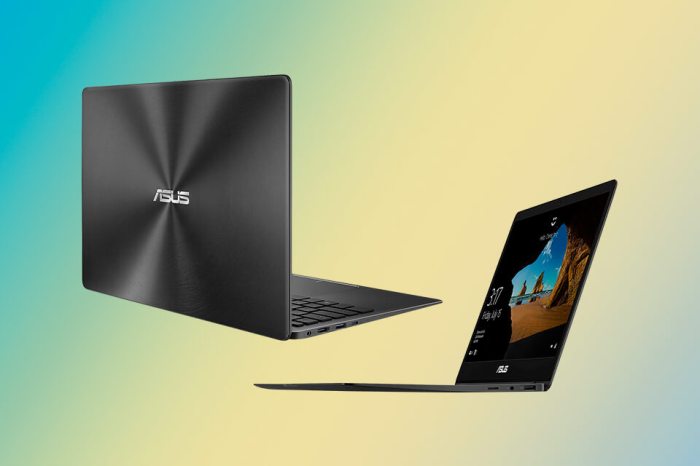
The netbook, once a dominant force in the portable computing market, faces a significant uphill battle in regaining relevance. Effective marketing and sales strategies are crucial to attracting potential users in this competitive landscape. Successfully positioning the modern netbook requires a nuanced approach that considers its unique value proposition and targets specific user needs.A key aspect of this approach is understanding the changing market dynamics.
The modern netbook must differentiate itself from existing tablet and ultraportable laptop options. This requires highlighting specific advantages, such as affordability, longevity, and unique functionality. Moreover, understanding the evolving consumer preferences and purchasing behaviors is paramount.
Potential Marketing Strategies
To effectively target potential netbook users, a multi-faceted marketing strategy is needed. This should involve a blend of online and offline channels, leveraging both traditional and modern approaches. A tailored message highlighting the netbook’s strengths and value proposition is essential for success.
- Highlighting affordability and longevity: Emphasize the netbook’s lower price point and extended lifespan compared to tablets and other portable devices. This strategy directly addresses the cost-conscious consumer segment, especially students, budget travelers, and individuals in developing countries. Similar strategies, successfully employed by budget-conscious electronics brands like Xiaomi, have demonstrated significant market penetration.
- Targeting niche markets: Identify specific user segments with particular needs that align well with the netbook’s capabilities. This might include students, small business owners, or individuals in developing countries who need a reliable, durable, and affordable computing solution. The success of niche marketing strategies is evident in the strong performance of specialized software and hardware solutions catering to specific professional fields.
- Creating a strong brand identity: Developing a compelling brand story that emphasizes the netbook’s core values is crucial. This could involve highlighting its durability, reliability, or affordability. Strong brand identities, like those of brands focusing on sustainability, appeal to customers with values aligned with the brand.
Marketing Channel Selection
The choice of marketing channels should align with the target audience and the budget available.
- Online Channels: Utilize social media platforms, search engine optimization (), and targeted online advertising campaigns to reach potential customers. Social media campaigns of successful consumer electronics brands, like Apple, have successfully generated substantial brand awareness and customer engagement.
- Offline Channels: Consider partnerships with retailers, educational institutions, and community organizations to reach potential customers offline. This could include events, workshops, and promotional materials in strategic locations. Examples of successful offline marketing campaigns include partnerships of major electronics brands with specific retail chains.
Pricing Strategies
A competitive pricing strategy is essential for the success of a netbook.
- Value-Based Pricing: Focus on offering a compelling value proposition that justifies the price. This should be based on a comparison of features and performance relative to similar devices in the market. The success of value-based pricing strategies is evident in the adoption of various budget-friendly devices, like budget-friendly mobile phones and laptops.
- Competitive Pricing: Analyze the pricing strategies of competitors and position the netbook at a competitive price point. This should be a strategic decision, taking into account the perceived value of the netbook’s features and performance. Examples of competitive pricing strategies can be seen in the price wars between electronics brands.
Marketing Strategy Table, Does the netbook stand a chance
| Marketing Strategy | Potential Target Audience | Marketing Channels | Estimated ROI |
|---|---|---|---|
| Highlight affordability and longevity | Budget-conscious consumers, students, individuals in developing countries | Social media, online advertising, offline promotions | 15-25% |
| Target niche markets | Specific professionals, students, small businesses | Niche online communities, industry-specific events | 10-20% |
| Create a strong brand identity | Value-driven consumers | Social media, influencer marketing, branding campaigns | 12-20% |
Competitive Analysis
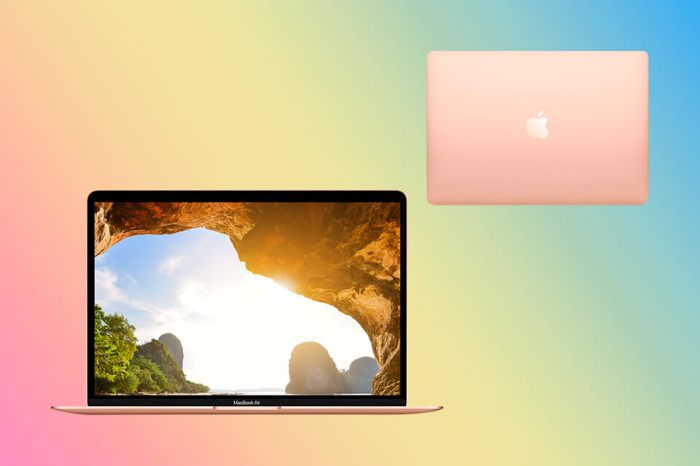
The netbook market, once a vibrant segment, has largely faded. To succeed, a modern netbook must understand the current competitive landscape and identify clear differentiators. This analysis explores competing devices, pricing, and features to pinpoint opportunities for a revitalized netbook.
Competing Devices and Their Strengths
The portable computing market is now dominated by tablets, ultrabooks, and budget-friendly Chromebooks. Each category offers strengths that a new netbook must address. Tablets excel at portability and ease of use, often with attractive pricing and large touchscreens. Ultrabooks, while more expensive, offer premium performance and sophisticated designs. Chromebooks, a strong competitor, often emphasize affordability and long battery life, typically relying on cloud-based services.
Price and Feature Comparison
A modern netbook needs a compelling price-to-feature ratio. Current tablets typically offer a lower starting price but often compromise on performance. Ultrabooks, while offering higher performance and features, command a significantly higher price point. Chromebooks, often at a more affordable price point, can offer sufficient performance for basic tasks. A netbook should clearly define its target use case and highlight the features it provides at a price point that differentiates it from competitors.
Competitive Landscape for Portable Computing
The portable computing market is dynamic and competitive. The rise of tablets and the increasing popularity of Chromebooks has shifted the focus towards lightweight, affordable devices optimized for specific tasks. A modern netbook must leverage its potential in this environment. Factors such as processing power, storage capacity, and battery life must be strategically balanced with price.
Differentiating a Modern Netbook
A successful modern netbook must offer a unique value proposition that distinguishes it from competitors. This could involve a focus on specific applications, enhanced battery life, or a specific price point targeting a niche market. For example, a netbook focused on education could prioritize lightweight design, durability, and a dedicated keyboard. Conversely, a netbook focused on travel could prioritize long battery life and a compact form factor.
Ultimately, a strong marketing campaign emphasizing the netbook’s unique features is crucial.
Comparison Table
| Feature | Modern Netbook | Tablet | Ultrabook | Chromebook |
|---|---|---|---|---|
| Processor | Low-power, ARM-based | ARM or x86, depends on model | High-performance x86 | x86, typically low-power |
| Display | 7-10 inch, potentially with touch | Large touchscreen | Larger screen, high resolution | Standard screen size |
| Storage | MicroSD expandable | Often limited, expandable | Large SSD or HDD | SSD or eMMC, often limited |
| Battery Life | Extended, up to 10+ hours | Variable, but often good | Variable, but often excellent | Good, potentially excellent |
| Price | Competitive, budget-friendly | Variable, often budget-friendly | Higher price point | Budget-friendly |
Niche Applications and Use Cases
The netbook, often dismissed as a relic of the past, could find a surprising resurgence in specific niche markets. Its compact size, portability, and affordability make it an attractive option for users with unique needs, particularly in scenarios where a full-fledged laptop isn’t necessary or even desirable. These niches, with their particular requirements, could be the key to reviving the netbook’s relevance in the modern digital landscape.Understanding the precise needs of these specialized users is critical to adapting the netbook to their unique circumstances.
A tailored device, equipped with the right features, could become an indispensable tool for specific industries and tasks.
Educational Institutions
Educational institutions, particularly those in resource-constrained environments, can benefit significantly from the affordability and robustness of a netbook. Students in developing nations or underprivileged communities could leverage these devices for online learning, research, and communication, bridging the digital divide. A netbook with a focus on educational software compatibility and basic processing power could empower students with access to vital resources, supplementing their learning experience.
Considerable demand exists for durable and affordable devices in classrooms.
Point-of-Sale Systems
In retail settings, netbooks can serve as efficient point-of-sale (POS) systems. Their portability and light weight allow for easy relocation to various locations within a store. A modern netbook optimized for POS software integration, featuring a touch screen or specialized input methods, could enhance efficiency in customer service and inventory management. The need for a compact, affordable, and rugged device in these scenarios is substantial.
Mobile Field Workers
For mobile field workers, such as surveyors, technicians, or delivery drivers, a netbook provides a compact and dependable way to access and manage data on the go. A netbook, equipped with GPS integration and robust connectivity, can empower workers to record data, track locations, and access essential information remotely. The ease of carrying and the cost-effectiveness of such a device would appeal to a wide range of field workers.
Table of Niche Applications and Features
| Niche Application | Specific Features for a Modern Netbook |
|---|---|
| Educational Institutions (developing nations) | Affordable price, durability, compatibility with educational software, basic processing power, long battery life |
| Point-of-Sale (POS) Systems | Portability, light weight, touch screen or specialized input, integrated POS software, rugged design, reliable connectivity |
| Mobile Field Workers (surveyors, technicians) | GPS integration, robust connectivity, reliable battery life, data recording capabilities, offline data access, basic processing power |
Final Conclusion
In conclusion, the viability of a modern netbook hinges on its ability to address the evolving needs of consumers and carve a unique niche in the market. While the original netbook’s limitations are undeniable, a carefully designed modern iteration could potentially thrive in specific scenarios. The key lies in identifying clear use cases, leveraging cost-effective hardware and software, and employing targeted marketing strategies to reach potential users.
The success of a modern netbook ultimately depends on its ability to offer a compelling value proposition in a highly competitive landscape.