Cisco Wraps Arms Around Enterprise Computing
Cisco Wraps Arms Around Enterprise Computing: A Strategic Embrace for the Modern Digital Landscape
Cisco’s strategic maneuvering to embrace and solidify its position within enterprise computing is not merely an opportunistic expansion; it represents a fundamental reorientation and a deliberate assertion of its continued relevance in an evolving technological ecosystem. The company’s approach is multifaceted, leveraging its deeply entrenched networking infrastructure as a foundational bedrock upon which to build a comprehensive suite of solutions addressing the complex demands of modern enterprises. This encompasses a deliberate push into areas like cloud computing, security, collaboration, and data center modernization, all orchestrated through a unified vision of seamless, intelligent, and secure digital operations. By intertwining its legacy strengths with forward-looking innovations, Cisco aims to become the indispensable partner for organizations navigating the intricacies of digital transformation, from the edge to the core and across hybrid cloud environments. The company’s success hinges on its ability to deliver integrated platforms that simplify management, enhance performance, and bolster security, thereby reducing operational overhead and accelerating business agility.
The cornerstone of Cisco’s enterprise computing strategy lies in its pervasive networking infrastructure. For decades, Cisco has been synonymous with robust, reliable, and scalable networks, a position that grants it unparalleled visibility and control over enterprise IT environments. This deep integration allows Cisco to collect and analyze an immense volume of network telemetry data, which in turn fuels its intelligent automation and security solutions. The evolution from traditional hardware-centric networking to software-defined networking (SDN) and intent-based networking (IBN) has been pivotal. SDN decouples network control from forwarding functions, enabling centralized management and programmatic automation. IBN takes this a step further by allowing IT to define desired business outcomes, with the network then automatically configuring itself to achieve those goals. This transformation is critical for enterprises grappling with the dynamic nature of modern applications, the proliferation of devices, and the increasing demand for agility and speed. Cisco’s Catalyst 9000 series switches, for example, are designed with programmability and automation at their core, facilitating easier deployment, management, and troubleshooting of complex network infrastructures. Furthermore, its Meraki cloud-managed networking solutions offer a simplified yet powerful alternative for organizations seeking centralized control and visibility across distributed locations. This foundational networking capability provides Cisco with a unique vantage point, enabling it to proactively identify and address performance bottlenecks, security threats, and operational inefficiencies before they impact business operations. The ability to offer a cohesive and intelligent network fabric is the bedrock upon which all other enterprise computing initiatives are built.
Cisco’s strategic expansion into cloud computing is not about building a public cloud from scratch but rather about enabling and securing hybrid and multi-cloud environments for its enterprise customers. Recognizing that most enterprises are not, and likely will not be, exclusively on a single public cloud, Cisco focuses on providing solutions that bridge the gap between on-premises data centers and public cloud platforms. Cisco’s Intersight, for instance, is a cloud-connected management platform that extends unified management capabilities to bare-metal servers, virtual machines, and containerized applications across private and public clouds. This enables IT teams to manage diverse infrastructure from a single pane of glass, reducing complexity and operational overhead. Furthermore, Cisco’s partnerships with major public cloud providers like AWS, Azure, and Google Cloud are crucial. These collaborations allow Cisco to integrate its networking, security, and collaboration solutions seamlessly with cloud services, offering customers a more unified and secure experience. For example, Cisco SecureX, a cloud-native security platform, integrates with various security products across an enterprise’s environment, including cloud-based security services, to provide a unified threat detection and response capability. This hybrid cloud strategy is essential for enterprises that need to leverage the scalability and innovation of public clouds while retaining control over sensitive data and critical applications in their own data centers. The ability to orchestrate and secure workloads across these disparate environments is a key differentiator for Cisco in the enterprise computing landscape.
Security is no longer an afterthought; it is an intrinsic component of any enterprise computing strategy, and Cisco has strategically woven it into the fabric of its offerings. The company’s approach is to provide end-to-end security that spans the network, endpoints, applications, and cloud. Cisco’s vast installed base of network devices acts as a crucial sensor network, providing unparalleled visibility into traffic patterns and potential threats. This data feeds into its sophisticated security analytics platforms, such as Cisco SecureX, which leverages artificial intelligence and machine learning to detect and respond to threats in real-time. The integration of security features directly into its networking hardware, such as firewall capabilities and intrusion prevention systems, further strengthens the perimeter. Beyond the network, Cisco’s endpoint security solutions, like Secure Endpoint (formerly AMP for Endpoints), provide advanced threat detection and remediation on devices. Its Secure Cloud solutions extend this protection to cloud-based workloads, ensuring consistent security policies are applied regardless of where data resides or applications are deployed. The concept of "zero trust" is central to Cisco’s security philosophy, where every access request is verified, regardless of its origin. This is facilitated by its identity and access management solutions, which ensure that only authorized users and devices can access sensitive resources. The increasing sophistication of cyberattacks necessitates a holistic and integrated security approach, and Cisco’s comprehensive portfolio aims to deliver precisely that, providing enterprises with the confidence to embrace new technologies and expand their digital footprint without compromising on safety.
Collaboration has become a critical pillar of enterprise productivity, and Cisco has long been a dominant player in this space. The COVID-19 pandemic further accelerated the adoption of remote and hybrid work models, underscoring the importance of seamless and effective communication and collaboration tools. Cisco’s Webex platform has evolved from a video conferencing solution to a comprehensive collaboration suite that integrates messaging, calling, meetings, and event capabilities. The strategic advantage here lies in Cisco’s ability to deeply integrate Webex with its other enterprise computing offerings. For instance, Webex can leverage the underlying network infrastructure for optimal performance and quality of service, ensuring clear audio and video even in challenging network conditions. Security is also a paramount concern, and Webex employs robust end-to-end encryption and advanced security features to protect sensitive communications. Furthermore, Cisco is investing in AI-powered features for Webex, such as real-time translation, noise cancellation, and meeting summaries, to enhance user experience and productivity. The integration of Webex with other business applications, such as calendaring and CRM systems, further streamlines workflows. Cisco’s vision is to create a unified collaboration experience that fosters engagement, productivity, and innovation, regardless of location or device. This focus on integrated collaboration solutions is vital for enterprises seeking to empower their distributed workforces and maintain a connected and productive organizational culture.
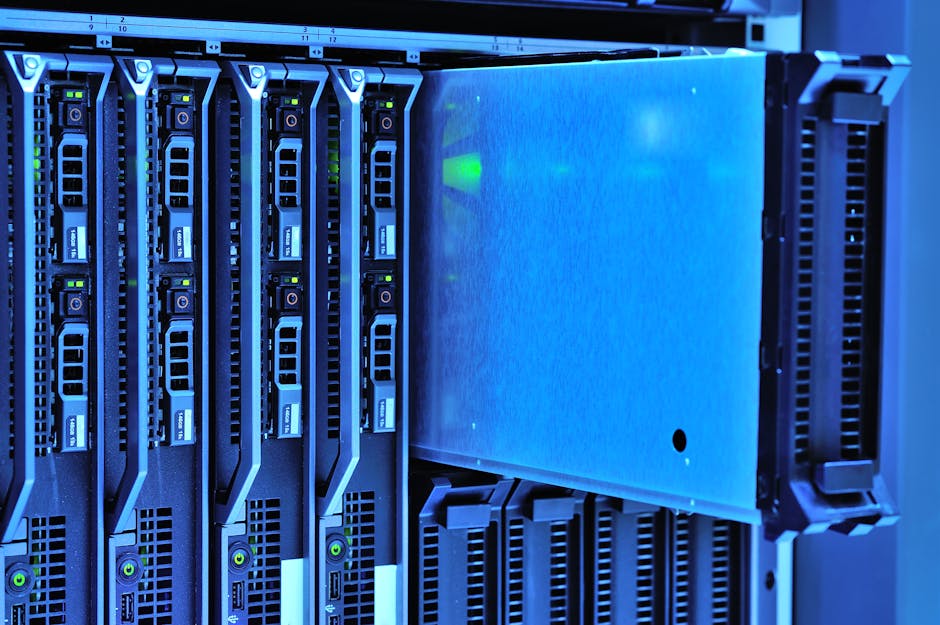
The modern enterprise data center is a complex ecosystem, and Cisco’s strategy encompasses its modernization and optimization. Cisco’s Unified Computing System (UCS) is a converged infrastructure platform that integrates compute, networking, and storage into a single, managed system. This simplifies deployment, management, and scaling of data center resources. UCS is designed to be highly programmable and automated, aligning with the principles of software-defined data centers (SDDC). Cisco’s focus extends to hyperconverged infrastructure (HCI), with solutions like HyperFlex, which combines compute, storage, and networking into a single, software-defined platform. HCI simplifies data center operations, reduces costs, and enables faster deployment of applications. Furthermore, Cisco is a significant player in the network fabric for data centers, with its Nexus switches providing high-performance, scalable, and reliable connectivity for virtualized and containerized workloads. The integration of ACI (Application Centric Infrastructure) allows for policy-based automation of network provisioning and management, enabling IT to align network behavior with application requirements. As enterprises increasingly adopt containerization and microservices architectures, Cisco’s data center solutions are evolving to support these modern application development paradigms, ensuring that the underlying infrastructure is agile, efficient, and secure. The ability to offer a holistic data center solution, from the physical hardware to the software-defined control plane, is a key element of Cisco’s enterprise computing strategy.
The concept of the "edge" has gained immense importance in enterprise computing, driven by the proliferation of IoT devices, the need for real-time data processing, and the demands of distributed applications. Cisco is strategically positioning itself at the edge by extending its networking and security capabilities to the periphery of the enterprise network. This includes ruggedized network devices designed for harsh environments, secure gateways for IoT devices, and compute solutions that enable local data processing and analytics. Cisco’s commitment to the edge is evident in its growing portfolio of IoT solutions, which aim to connect, secure, and manage a vast array of devices and sensors. For example, its Kinetic for Cities platform leverages edge computing to enable smart city initiatives by collecting and analyzing data from various urban infrastructure components. The integration of its security solutions at the edge is crucial for protecting against threats that originate from connected devices. Cisco’s edge strategy is about enabling new business models and unlocking the potential of data generated at the edge, ensuring that this data is processed securely and efficiently, and that insights are delivered in real-time to drive business value. This expansion to the edge is a natural extension of its core networking expertise, allowing it to maintain its pervasive influence across the entire enterprise IT landscape.
In conclusion, Cisco’s comprehensive embrace of enterprise computing is a strategic imperative driven by the evolving needs of businesses in the digital age. By leveraging its foundational strength in networking, the company is building an integrated ecosystem of solutions that address cloud computing, security, collaboration, data center modernization, and edge computing. This unified approach simplifies complexity, enhances operational efficiency, and bolsters security for enterprises. Cisco’s continued investment in software, automation, AI, and partnerships is crucial for its success in this dynamic market. The company’s ability to offer end-to-end solutions that are seamlessly integrated and intelligently managed positions it as an indispensable partner for organizations navigating the intricate landscape of digital transformation and seeking to harness the full potential of technology to drive business growth and innovation. The strategic vision is clear: to be the ubiquitous, intelligent, and secure foundation upon which the modern enterprise is built and operates.