
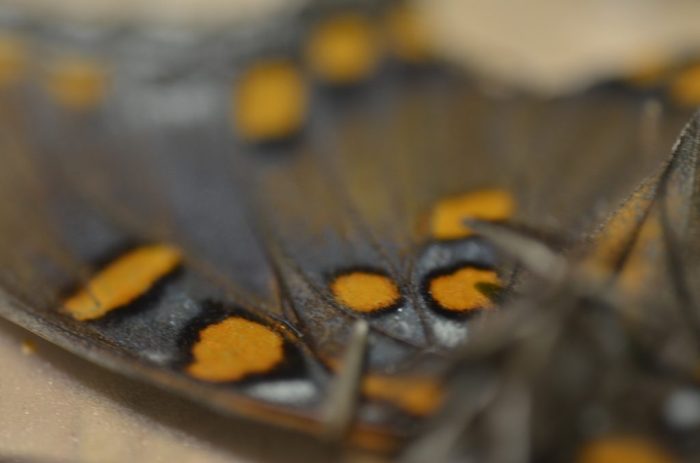
Butterfly Wings Nanotechs Guiding Light
Butterfly wings offer guiding light for nanotech innovation, revealing a world of intricate structures that could revolutionize the field. From the mesmerizing patterns on their delicate scales to the hierarchical organization of their veins, these natural masterpieces hold secrets that scientists are eager to unlock. Imagine replicating the remarkable properties of butterfly wings in nanomaterials – this exploration dives deep into the possibilities, examining the structural marvels of butterfly wings and how they inspire new frontiers in nanotechnology.
The unique structural features of butterfly wings, like their scales and veins, offer a wealth of inspiration for creating innovative nanomaterials. We’ll examine the hierarchical organization of these structures and explore the methods used to study them. The comparisons across various butterfly species will be highlighted, showcasing the remarkable diversity in their wing designs.
Butterfly Wing Structure
Butterfly wings, with their intricate beauty and exquisite patterns, offer a fascinating glimpse into nature’s nanotechnology. Their remarkable structural features, meticulously engineered over millions of years, provide inspiration for innovative solutions in various fields, including engineering and materials science. This detailed exploration delves into the unique characteristics of butterfly wings and how they are studied.Butterfly wings are not just aesthetic marvels; they are sophisticated micro-architectural masterpieces.
The interplay of scales, veins, and other components creates a robust and lightweight structure capable of withstanding flight stress while simultaneously showcasing vibrant colors and intricate patterns. This structural sophistication, at the nanoscale, presents a rich source of inspiration for developing novel materials and designs.
Structural Features of Butterfly Wings
Butterfly wings are composed of a complex hierarchical structure. The outermost layer consists of numerous tiny scales, overlapping like shingles on a roof. These scales contribute to the wing’s strength, water repellency, and aerodynamic properties. The scales are often imbued with pigments that produce the vibrant colors observed in butterflies. Veins, which are essentially strengthened, branched channels, provide structural support and facilitate the transport of fluids and nutrients within the wing.
Hierarchical Organization
The hierarchical organization of butterfly wing structures is a key element of their functionality. The scales, which are themselves complex structures, are arranged in a precise pattern, forming a composite material that is strong yet lightweight. This hierarchical structure allows for an optimized distribution of material, leading to greater efficiency and strength in the wing. The intricate patterns and colors are also a result of this hierarchical organization, with pigment-bearing structures within the scales themselves creating the desired aesthetic effects.
Methods for Studying Butterfly Wing Structures
Various methods are employed to study the unique structural features of butterfly wings. Microscopy techniques, such as scanning electron microscopy (SEM) and atomic force microscopy (AFM), provide detailed visualizations of the scales, veins, and other components at the nanoscale. These techniques allow researchers to observe the precise shapes, sizes, and arrangements of these structures. Furthermore, techniques like X-ray diffraction can analyze the crystallographic structure of the materials comprising the scales.
These combined approaches offer a comprehensive understanding of the butterfly wing’s intricate design.
Comparison Across Species
Butterfly species exhibit a remarkable diversity in wing structure, reflecting adaptations to different environments and lifestyles. The shape, size, and arrangement of scales and veins vary significantly across species. This diversity highlights the adaptability of these structures and the potential for drawing inspiration from a range of different biological designs.
Table of Wing Structures Across Various Species
| Species | Wing Type | Key Features | Applications |
|---|---|---|---|
| Monarch | Large, patterned wings | Scaly surface with prominent veins, strong pigmentation | Inspiration for lightweight composite materials, color-changing surfaces |
| Blue Morpho | Large, iridescent wings | Specialized scales for structural color, intricate patterns | Development of advanced photonic materials, mimicking iridescent colors |
| Cabbage White | Small, simple wings | Scales less complex, veins provide essential support | Inspiration for lightweight and simple designs in nanotechnology |
| Swallowtail | Large, ornamented wings | Ornate patterns, elaborate vein structures, strong and resistant | Designing strong yet flexible materials, inspired by the vein structures |
Nanotechnology Inspiration
Butterfly wings, with their intricate and mesmerizing structures, offer a treasure trove of inspiration for nanotechnology. Their remarkable ability to manipulate light, achieve lightweight strength, and maintain impressive resilience makes them compelling models for mimicking and improving upon existing materials and processes. By understanding the design principles behind these natural marvels, we can potentially unlock new avenues for innovation in nanomaterials and applications.The unique structural design of butterfly wings, particularly the nanoscale arrangement of their scales, is a key area of focus for researchers.
Mimicking these intricate structures at the nanoscale could lead to advancements in various fields, from optics and electronics to biomedicine and aerospace. This exploration delves into the potential applications, design translation, and process development for creating nanomaterials inspired by butterfly wing scales.
Potential Applications of Butterfly Wing Structures in Nanotechnology
The nanoscale structures of butterfly wings offer unique properties that can be translated into various nanomaterials with diverse applications. Their light-scattering and light-absorbing properties, for instance, can be adapted for creating highly efficient solar cells or novel optical devices.
Butterfly wings, with their intricate nanostructures, are inspiring groundbreaking nanotech innovations. The way these delicate wings manage light and color could unlock new possibilities in everything from solar cells to advanced displays. Meanwhile, it’s worth considering juicier prospects for blackberry backup and a tablet too, which could bring new features to the tech landscape. Ultimately, the insights gleaned from nature’s designs, like those of butterfly wings, continue to drive innovation in many areas of technology.
Design Principles and Translation into Nanomaterials
The design principles behind butterfly wing structures are fascinating. The hierarchical arrangement of scales, with their intricate patterns and nanoscale features, contributes to the remarkable properties of these wings. Translating these principles into nanomaterials involves replicating the scale structures at the nanoscale, creating similar surface patterns, and employing similar hierarchical design approaches. This process can be achieved through various techniques such as self-assembly, nano-imprinting, or chemical vapor deposition.
Creating a Nanomaterial Inspired by Butterfly Wing Scales
A potential process for creating a nanomaterial inspired by butterfly wing scales could involve the following steps:
- Substrate Preparation: A suitable substrate material, such as silicon or polymer, is prepared and cleaned to ensure optimal adhesion for the nanostructures.
- Pattern Design: A precise nanoscale pattern, inspired by the butterfly wing scale structure, is designed and transferred onto the substrate using lithography techniques. This step is crucial for replicating the specific arrangement and morphology.
- Material Deposition: A suitable material, such as metal or polymer, is deposited onto the patterned substrate. The deposition method should allow for the creation of thin films with the desired morphology and thickness.
- Structure Formation: The deposited material will undergo a self-assembly process to form the nanostructures based on the pre-designed pattern. This could involve annealing or other chemical treatments.
- Characterization: The resulting nanomaterial is characterized to verify its structure, composition, and properties.
Table of Potential Applications
| Application | Mechanism | Potential Benefit | Challenges |
|---|---|---|---|
| Solar Cells | Enhanced light trapping and scattering | Higher efficiency, reduced material use | Precise control of nanostructures, material compatibility |
| Optical Devices | Tunable light scattering and reflection | Novel optical filters, sensors, and displays | Maintaining structural integrity under external stress |
| Biomedical Implants | Biocompatible surface modification | Improved biointegration, reduced rejection | Sterilization and long-term stability |
| Aerospace Components | Lightweight, high-strength material | Reduced weight, enhanced durability | Scalability of production, cost-effectiveness |
Advantages and Disadvantages of Butterfly Wing Structure Inspiration
Using butterfly wing structures as inspiration for nanotech presents several advantages:
- Natural Optimization: Evolution has optimized the structures for specific functions, providing a starting point for efficient design.
- Lightweight and Strong Materials: Butterfly wings exemplify the combination of lightness and strength, a desirable property for many applications.
- Unique Optical Properties: Their light manipulation abilities offer potential for developing novel optical devices.
However, there are also challenges:
- Complexity of Replication: Replicating the intricate nanoscale structures of butterfly wings can be technically demanding.
- Scalability: Scaling up the production of these materials to meet industrial demands can be a significant hurdle.
- Material Compatibility: Matching the desired properties of the nanomaterial with compatible substrates and deposition methods can be difficult.
Materials and Processes
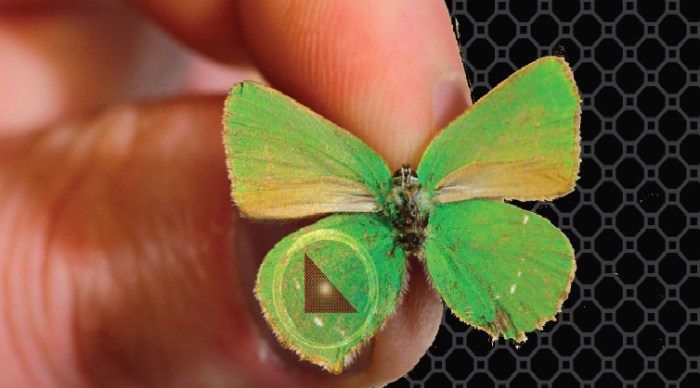
Butterfly wings, with their iridescent beauty and remarkable structural properties, offer a rich source of inspiration for nanotechnology. Mimicking their nanoscale structures promises innovative materials and devices. Understanding the materials used and the fabrication processes behind these natural masterpieces is crucial for replicating their exceptional characteristics.The complex interplay of materials and fabrication methods creates the intricate patterns and colors that make butterfly wings so fascinating.
This section delves into the materials that can mimic butterfly wing structures at the nanoscale, the processes used to create these nanostructures, and the methods for fabricating nanostructures with similar properties.
Materials for Mimicking Butterfly Wing Structures
Butterfly wings often employ a combination of chitin, proteins, and air, meticulously arranged to achieve the desired optical effects. For nanotechnological replication, these natural components inspire the use of various synthetic materials. These include polymers, metals, and even semiconductors. The choice of material significantly influences the resulting properties of the nanostructure.
Processes for Creating Nanostructures
Several fabrication techniques can create the intricate nanostructures found in butterfly wings. These include:
- Self-assembly: Utilizing the inherent properties of certain materials to spontaneously organize into specific patterns. This method is often favored for its relatively low cost and potential for large-scale production. For instance, specific polymers can self-assemble into nanoscale structures resembling butterfly wing scales.
- Lithography: This process uses light or electron beams to create precise patterns on a material’s surface. Photolithography, a common technique, can produce intricate nanostructures with high resolution. This method allows for precise control over the shape and size of the features. The choice of lithography technique depends on the desired resolution and complexity of the nanostructure.
Butterfly wings, those intricate masterpieces of nature, are offering fascinating insights into nanotech innovation. Their remarkable structural colors, formed by nanoscale patterns, could revolutionize everything from solar cells to displays. Meanwhile, the recent, rather lackluster, apology from Sony to frustrated PS3 gamers over a major console issue highlights the importance of robust engineering and customer service in the tech world.
Sony’s tepid response serves as a reminder that even groundbreaking technology needs a human touch. Ultimately, the delicate dance of nanostructures in butterfly wings continues to inspire our quest for innovative solutions, showcasing nature’s brilliant blueprints for modern advancements.
- Template-directed synthesis: This technique involves using a pre-existing template to guide the growth of a new material. The template dictates the shape and size of the resulting nanostructure. Using a pre-patterned substrate as a template, specific materials can be deposited or grown, creating nanoscale features mirroring butterfly wing structures.
Methods for Fabricating Nanostructures with Similar Properties
To replicate the unique optical properties of butterfly wings, nanostructures need to exhibit specific features. This requires meticulous control over the material’s arrangement and the size and shape of the nanostructures. Strategies include:
- Surface texturing: Creating nanoscale textures on a material’s surface can manipulate light scattering and reflection, replicating the iridescence found in butterfly wings. For example, by carefully controlling the surface roughness of a polymer film, researchers can create a structure that scatters light in a way similar to the wing’s scales.
- Thin-film deposition: Deposition of thin films with precise control over thickness and composition can lead to structures with the desired optical properties. By layering different materials, researchers can create structures that exhibit the characteristic iridescent colors and reflections.
- Controlled growth: Precisely controlling the growth process, for example, using chemical vapor deposition (CVD), allows for the creation of complex nanostructures. The careful control of the growth conditions is critical for producing the desired morphology. By precisely controlling the conditions of growth, researchers can create structures with the specific size and shape required to mimic the natural wing patterns.
Comparison of Materials and Processes
| Material | Process | Properties | Applications |
|---|---|---|---|
| Polymer (e.g., Polystyrene) | Self-assembly, Spin Coating | Lightweight, flexible, tunable optical properties | Optical filters, sensors, displays |
| Metal (e.g., Gold) | Thin-film deposition, sputtering | High reflectivity, tunable plasmonics | Optical devices, biosensors |
| Semiconductor (e.g., Silicon) | Lithography, etching | High conductivity, tunable electronic properties | Nanodevices, integrated circuits |
Applications and Impact: Butterfly Wings Offer Guiding Light For Nanotech Innovation
Butterfly wing nanostructures, with their remarkable light manipulation and structural integrity, offer a wealth of potential applications in diverse fields. Their intricate design, mimicking natural selection’s optimization over millennia, provides a blueprint for innovative nanomaterials. This translates to exciting possibilities for enhancing existing technologies and creating entirely new ones.Inspired by these natural marvels, researchers are exploring ways to integrate nanomaterials into existing frameworks, paving the way for advancements in various industries.
The structural properties, coupled with optical capabilities, open up possibilities from high-performance electronics to improved energy harvesting.
Potential Applications, Butterfly wings offer guiding light for nanotech innovation
The intricate patterns and structures of butterfly wings are being meticulously studied to understand their unique properties. These include remarkable light scattering and reflection, leading to the possibility of creating novel materials for camouflage, self-cleaning surfaces, and specialized optical devices. Mimicking the hierarchical organization of these structures could lead to advancements in lightweight, yet strong materials.
Butterfly wings, with their intricate nanostructures, are inspiring groundbreaking nanotech innovation. Mimicking their light-scattering properties could revolutionize everything from solar cells to medical imaging. However, the drive for innovation shouldn’t come at the expense of user privacy and control. A social media platform without Wall Street’s influence is crucial for maintaining a healthy online ecosystem, which I don’t want Wall Street in my social network.
This focus on ethical development, inspired by the elegant design of butterfly wings, is key to ensuring future advancements benefit everyone, not just a select few.
Impact on Industries
The impact of nanomaterials inspired by butterfly wings is expected to be profound across several sectors. Applications in the automotive industry could lead to lightweight and stronger vehicle components, reducing fuel consumption and improving safety. In the textile industry, self-cleaning and water-repellent fabrics could revolutionize clothing design. Furthermore, in the aerospace industry, these materials could enhance the performance of aircraft through reduced weight and increased structural integrity.
Future Breakthroughs
The field of nanotechnology inspired by butterfly wings is poised for significant breakthroughs. Researchers are actively exploring the integration of these materials with other advanced technologies, such as biocompatible polymers. This integration could lead to the development of bio-sensors, tissue regeneration scaffolds, and even novel drug delivery systems. The future holds the promise of sophisticated micro- and nano-robotics based on the lightweight, responsive nature of these materials.
Industries Benefiting from the Technology
- Automotive: Lightweighting vehicle components, improving aerodynamic efficiency, and creating self-healing materials could significantly reduce fuel consumption and improve safety. Consider the impact of even a small reduction in vehicle weight on fuel efficiency across the global fleet.
- Textiles: Self-cleaning and water-repellent fabrics could revolutionize clothing design, reducing the need for detergents and increasing durability. Imagine fabrics that automatically repel dirt and stains.
- Aerospace: Enhanced lightweight yet strong materials for aircraft construction could dramatically improve performance and reduce operating costs. The reduction in weight and improvement in structural integrity could lead to significant cost savings and improvements in speed.
- Electronics: Novel optical devices and high-performance electronic components could emerge, potentially leading to smaller, faster, and more efficient devices. Think of thinner, more powerful smartphones or tablets.
- Medical: Biocompatible materials for tissue regeneration and drug delivery systems could revolutionize healthcare. Imagine scaffolds that promote tissue growth in damaged areas or targeted drug delivery for more effective treatment.
Challenges and Limitations
While the potential is immense, several challenges and limitations need to be addressed. One key challenge is the scalability of production methods for these nanomaterials. Current manufacturing processes may not be efficient enough to meet large-scale demand. Moreover, the long-term effects of these materials on the environment and human health need rigorous investigation. The high cost of research and development is also a factor to consider.
Ultimately, overcoming these obstacles will be crucial for realizing the full potential of this emerging technology.
Visualizations and Illustrations
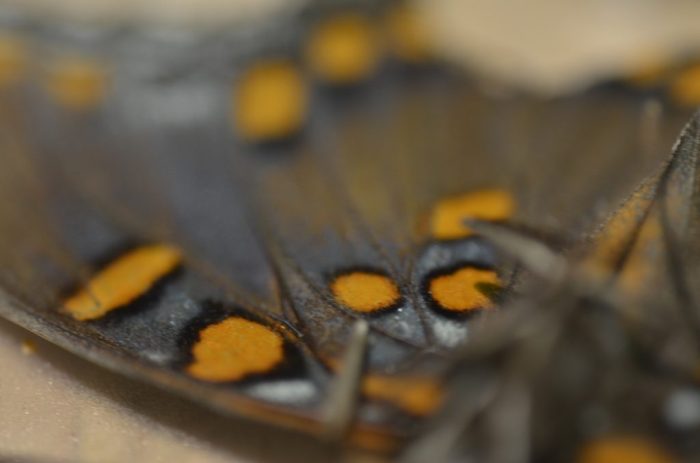
Butterfly wings, with their breathtaking beauty, hold secrets that could revolutionize nanotechnology. Their intricate structures, visible even with the naked eye, provide a powerful blueprint for creating highly organized and functional materials at the nanoscale. These designs inspire researchers to explore new possibilities in materials science, pushing the boundaries of what’s possible in manufacturing and engineering.The structural elements of butterfly wings, such as their scales and their arrangement, are meticulously designed for specific functions, including light manipulation, water repellency, and strength.
Mimicking these natural patterns can lead to the development of novel nanomaterials with enhanced properties, opening doors to applications in diverse fields, from medicine to aerospace.
Butterfly Wing Structure: A Nanoscale Perspective
Butterfly wings are marvels of miniature engineering. Their intricate patterns are formed by specialized scales, each a tiny, precisely shaped structure. These scales are not uniform; they vary in size, shape, and arrangement to create unique surface textures. These textures are essential for light scattering, creating the vibrant colors we admire. At the nanoscale, the intricate layering and patterns of these scales are even more apparent, showcasing a hierarchical structure.
These features are critical to understanding how nanomaterials inspired by butterfly wings can be engineered.
Nanomaterials Inspired by Butterfly Wings: Visual Appearance
Nanomaterials inspired by butterfly wings would exhibit a similar visual complexity. Instead of the visible scales, these materials would feature nanoscale structures with repeating patterns. The resulting surface textures could be smooth, rough, or patterned, depending on the specific design. Colors would also be a key characteristic. For example, nanostructures patterned like the eye spots on a butterfly wing could exhibit dynamic color changes based on the angle of light.
This effect could be replicated using materials that exhibit structural color, a phenomenon that changes color based on the physical structure of the material, not just the pigments it contains.
Microscopic and Nanoscopic Views
A microscopic view of a nanomaterial inspired by a butterfly wing would reveal a precisely organized array of tiny structures, arranged in a complex pattern. These structures would be significantly smaller than the scales of a butterfly wing, falling within the realm of nanotechnology. An electron microscope image would showcase the nanoscale features in exceptional detail. The repeating patterns, similar to the scales on a butterfly wing, would be easily identifiable, offering insights into the hierarchical structure of the material.
Scanning electron microscopy (SEM) would reveal the detailed surface texture, offering insights into the material’s surface properties. Transmission electron microscopy (TEM) would allow examination of the internal structure, confirming the nanomaterial’s organization.
Process Steps in Nanomaterial Creation
Creating nanomaterials inspired by butterfly wings requires careful control over several process steps. These steps include material selection, design, fabrication, and characterization. The process would likely involve advanced techniques like:
- Material Selection: Choosing materials with the desired properties, such as optical characteristics, strength, and biocompatibility, is critical. The materials could be metals, polymers, or ceramics, depending on the intended application.
- Design: Creating a detailed blueprint of the nanoscale structure, mirroring the intricate patterns of the butterfly wing, is crucial. Computer simulations and modeling tools are essential to predict the behavior of the nanomaterial.
- Fabrication: Advanced fabrication techniques like self-assembly, nanoimprint lithography, or atomic layer deposition would be used to create the precise nanoscale structures. The precise control over the deposition and arrangement of materials at the nanoscale is essential to achieve the desired hierarchical structure. The specific fabrication method would depend on the chosen material and the desired structure.
- Characterization: Techniques like electron microscopy, spectroscopy, and mechanical testing would be used to evaluate the properties of the created nanomaterial, confirming its structure and functionality.
Epilogue
In conclusion, butterfly wings offer a treasure trove of inspiration for nanotechnological advancements. By replicating the intricate designs of these natural wonders, scientists can develop novel materials with extraordinary properties. From enhanced optical properties to improved strength and durability, the potential applications are vast and promising. However, challenges remain in translating these natural designs into practical nanomaterials.
This exploration into the fascinating world of butterfly wings and their potential for nanotech innovation opens up exciting avenues for future research and development.