Biotech Push Needed To Avert Global Food Crisis Scientists Warn
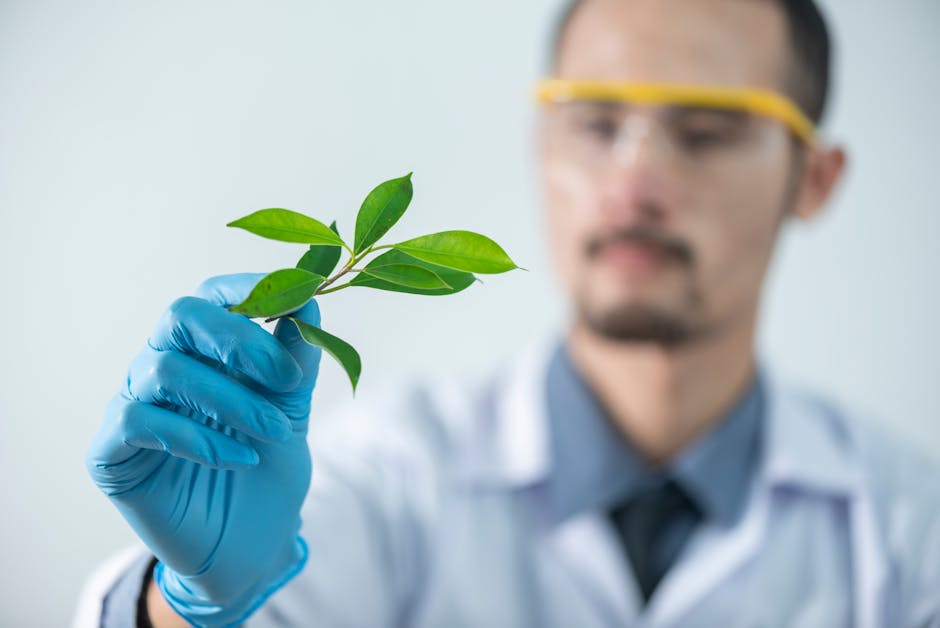
Biotech Push Imperative: Scientists Warn of Looming Global Food Crisis
The specter of a global food crisis, once a recurring headline in developing nations, is now a tangible threat looming over the entire planet. Scientists across disciplines are sounding the alarm, unequivocally stating that without a significant and immediate push in biotechnology, humanity risks widespread hunger and destabilization. This is not a matter of distant projections; the confluence of climate change, resource depletion, and a burgeoning global population is creating a perfect storm that current agricultural practices are ill-equipped to weather. The inadequacy of traditional farming methods in the face of these escalating challenges necessitates a paradigm shift, with biotechnology at its core, to innovate, adapt, and secure our collective food future.
The escalating climate crisis presents a multifaceted challenge to global food security. Rising global temperatures lead to increased frequency and intensity of extreme weather events – prolonged droughts scorify arable land, devastating floods inundate crops, and unpredictable frost can decimate harvests. These climatic shifts directly impact agricultural productivity, rendering vast tracts of land less suitable for conventional crop cultivation. Traditional staple crops, bred for specific environmental conditions, are struggling to adapt. For instance, prolonged heat stress inhibits essential physiological processes in plants, leading to reduced yields and compromised nutritional value. Similarly, changes in rainfall patterns disrupt irrigation systems and natural water cycles, crucial for agriculture. The Intergovernmental Panel on Climate Change (IPCC) has consistently warned of these dire consequences, emphasizing that a failure to mitigate climate change will exacerbate food insecurity to catastrophic levels. This is where biotechnology offers a vital lifeline. Through genetic modification and advanced breeding techniques, scientists can develop crop varieties that are inherently more resilient to drought, heat, salinity, and other climate-related stresses. Drought-tolerant maize, for example, can maintain higher yields under water-scarce conditions, preserving food supplies in regions most vulnerable to desertification. Salt-tolerant rice varieties can be cultivated on coastal land that is becoming increasingly saline due to rising sea levels. These bioengineered solutions are not merely incremental improvements; they represent fundamental adaptations to a rapidly changing planet, offering a crucial buffer against climatic disruptions that threaten to undermine our food systems.
Population growth, a consistent driver of food demand, is compounding the pressures on agricultural output. The United Nations projects that the global population will reach nearly 10 billion by 2050, a staggering increase that will require a substantial uplift in food production. Current agricultural systems, while impressive in their achievements, are already operating at near-maximum capacity in many regions, and expansion onto new land often comes at the cost of deforestation and biodiversity loss, further exacerbating environmental degradation. Moreover, the efficiency of traditional farming methods is limited. For example, conventional breeding for yield improvements often takes years, if not decades, and is subject to the vagaries of natural selection and environmental conditions. This slow pace of innovation is insufficient to meet the accelerated demand driven by population growth. Biotechnology, however, offers the potential for significantly faster and more precise crop improvement. Gene editing technologies like CRISPR-Cas9 allow for targeted modifications to plant genomes, enabling scientists to introduce desirable traits – such as faster growth rates, increased nutrient content, and higher yields – in a fraction of the time required by traditional methods. This accelerated innovation cycle is essential to keep pace with the ever-growing demand for food. Furthermore, biotechnology can enhance resource-use efficiency. Crops engineered to require less water or fertilizer not only reduce the environmental footprint of agriculture but also make it more economically viable for farmers, especially in resource-constrained regions.
Resource depletion, particularly of arable land and fresh water, is another critical factor contributing to the looming food crisis. The world is facing a deficit of fertile land, with soil degradation, erosion, and urbanization reducing the availability of land suitable for cultivation. According to the Food and Agriculture Organization of the United Nations (FAO), an estimated 33% of the world’s soil is moderately to highly degraded, compromising its productivity. Similarly, freshwater scarcity is a growing concern. Agriculture accounts for approximately 70% of global freshwater withdrawals, and with increasing competition for water resources from urban and industrial sectors, this vital input for food production is becoming increasingly strained. Biotechnology offers solutions to these critical resource limitations. For instance, the development of vertical farms and controlled environment agriculture (CEA) systems, often integrated with biotechnological advancements in plant science and nutrient management, can drastically reduce land and water requirements. These systems allow for crop production in urban areas, minimizing transportation costs and reducing reliance on vast tracts of rural land. Furthermore, biotechnology is crucial in developing crops that can thrive in marginal lands, such as saline soils or areas with low nutrient availability. Research into nitrogen-fixing legumes and crops engineered to efficiently utilize available nutrients can reduce the need for synthetic fertilizers, which are energy-intensive to produce and can contribute to water pollution. The development of drought-resistant crops also directly addresses water scarcity, enabling higher yields with less water.
The nutritional quality of staple crops is also a growing concern, contributing to widespread micronutrient deficiencies, commonly referred to as "hidden hunger." While increased yields are essential, ensuring that these crops provide adequate nutrition is equally vital for human health and well-being. Traditional breeding efforts have primarily focused on yield and disease resistance, often at the expense of nutritional content. This has led to a situation where large populations, heavily reliant on staple grains like rice and maize, suffer from deficiencies in essential vitamins and minerals, such as Vitamin A, iron, and zinc. These deficiencies have severe consequences, including impaired cognitive development, weakened immune systems, and increased susceptibility to diseases. Biotechnology offers powerful tools to address this "hidden hunger." Biofortification, a process that increases the nutritional value of crops through conventional breeding, genetic engineering, or agronomic practices, is a key strategy. Golden Rice, engineered to produce beta-carotene (a precursor to Vitamin A), is a prime example of how biotechnology can directly combat micronutrient deficiencies. Other biofortified crops under development include iron-fortified beans and zinc-fortified wheat. These bioengineered solutions can deliver essential nutrients directly to populations through their staple foods, making them a sustainable and cost-effective approach to improving public health, particularly in regions where access to diverse diets and supplements is limited.
The development of pest-resistant crops through biotechnology has significantly reduced the reliance on chemical pesticides, offering a dual benefit of environmental protection and improved food safety. The indiscriminate use of chemical pesticides in conventional agriculture has led to a range of negative consequences, including soil and water contamination, harm to beneficial insects and wildlife, and the development of pesticide-resistant pests. Moreover, pesticide residues on food products pose a direct threat to human health. Biotechnology provides a more sustainable and targeted approach to pest management. Genetically modified (GM) crops, such as Bt cotton and Bt corn, are engineered to produce proteins that are toxic to specific insect pests, thereby reducing the need for external pesticide application. This not only leads to a significant decrease in the volume of chemical pesticides used but also minimizes their environmental impact. Studies have consistently shown that the adoption of Bt crops has resulted in reduced insecticide use, leading to improved biodiversity in agricultural landscapes and lower risks to farmworkers and surrounding communities. Furthermore, the reduction in pesticide application contributes to safer food products with lower levels of harmful residues. This approach represents a significant step towards more environmentally responsible and health-conscious food production.
The role of precision agriculture, powered by biotechnological advancements, in optimizing resource utilization and enhancing crop yields cannot be overstated. Precision agriculture leverages technology, including sensors, drones, GPS, and data analytics, to monitor and manage crops with unprecedented detail. Biotechnology plays a crucial role in enabling these technologies. For instance, genetically engineered crops can be developed with markers that allow for precise identification and tracking throughout their growth cycle, facilitating targeted interventions. Furthermore, the development of advanced soil sensors and nutrient management systems, often informed by a deep understanding of plant genetics and physiology, allows farmers to apply water and fertilizers only where and when they are needed. This minimizes waste, reduces environmental pollution, and maximizes crop productivity. For example, crops engineered to better utilize nitrogen can reduce the overall amount of fertilizer required, leading to cost savings for farmers and reduced greenhouse gas emissions associated with fertilizer production and application. The integration of biotechnological innovations with precision agriculture represents a powerful synergy, enabling a more efficient, sustainable, and productive food system that can better meet the demands of a growing global population while minimizing its environmental footprint.
The economic implications of a global food crisis are profound, extending far beyond immediate hunger. Widespread food shortages lead to escalating food prices, disproportionately affecting low-income households and exacerbating poverty. This can trigger social unrest, political instability, and mass migration as populations seek to escape famine and hardship. Furthermore, the agricultural sector, a cornerstone of many economies, suffers immense losses, impacting livelihoods and national economies. Investing in biotechnology is not merely a humanitarian imperative; it is an economic necessity. The development and adoption of biotechnological solutions can lead to increased agricultural productivity, greater resilience to environmental shocks, and improved nutritional outcomes, all of which contribute to economic stability and growth. Countries that embrace and invest in agricultural biotechnology are better positioned to secure their food supplies, enhance the competitiveness of their agricultural sectors, and improve the overall well-being of their citizens. The economic benefits of averting a food crisis through proactive investment in scientific innovation are immeasurable.
The ethical considerations and public perception surrounding biotechnology, particularly genetic modification, require careful and transparent communication. Despite the clear scientific consensus on the safety of GM crops, public apprehension persists, often fueled by misinformation and fear-mongering. Addressing these concerns requires a concerted effort to educate the public about the rigorous scientific testing and regulatory processes that underpin the development and deployment of biotechnological innovations. Open dialogue, transparent risk assessments, and clear communication of benefits are essential to foster public trust and acceptance. Furthermore, ethical frameworks must guide the development and application of biotechnology, ensuring equitable access to these technologies and preventing their misuse. Focusing on the demonstrable benefits of biotechnology in averting a global food crisis – increased yields, enhanced nutrition, reduced environmental impact, and improved farmer livelihoods – can help shift the narrative and build broader support for this vital scientific endeavor.
In conclusion, the scientific community’s warnings regarding an impending global food crisis are unambiguous and urgent. The confluence of climate change, population growth, resource depletion, and nutritional deficiencies presents an existential challenge that traditional agricultural methods cannot adequately address. Biotechnology offers a robust suite of innovative solutions, from climate-resilient crops and enhanced nutritional content to precision agriculture and reduced reliance on harmful chemicals. A significant and accelerated push in biotech research, development, and deployment, coupled with informed public discourse and supportive policy frameworks, is not just desirable – it is an absolute necessity to avert widespread hunger, ensure global stability, and secure a sustainable food future for generations to come. The time for incremental change has passed; a bold, science-driven embrace of biotechnology is the only viable path forward.