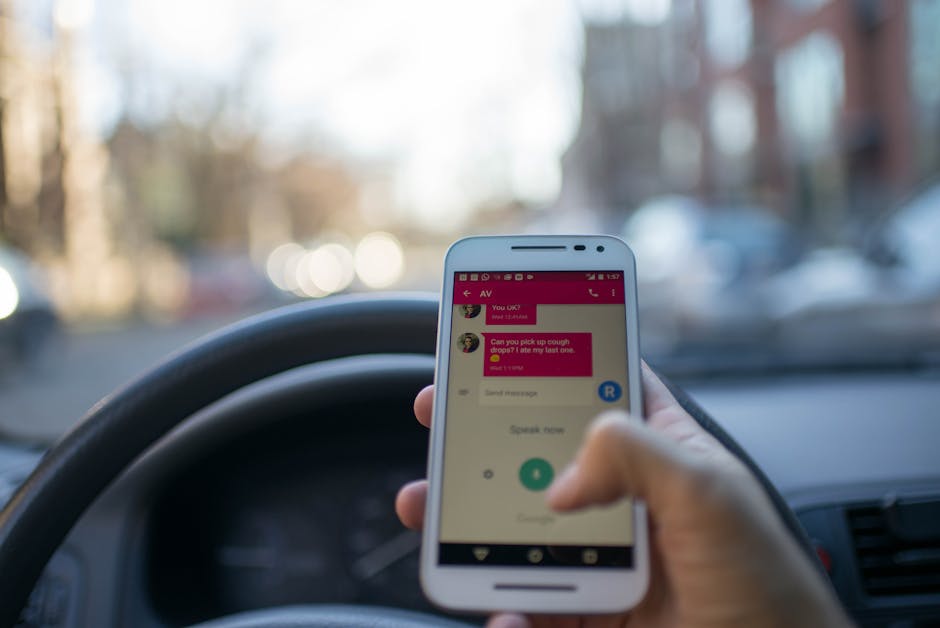
Road Warning Swarms Of Texting Teens Ahead

Road Warning: Swarms of Texting Teens Ahead – A Growing Public Safety Crisis
The proliferation of smartphones has introduced a pervasive and insidious threat to public safety on our roadways: the phenomenon of "texting teens" or, more broadly, distracted young drivers. This is not a nascent issue but a rapidly escalating crisis, characterized by an alarming increase in accidents directly attributable to drivers, predominantly adolescents, engaging with their mobile devices behind the wheel. The statistical evidence is stark and undeniable, painting a grim picture of the dangers posed by this generational habit. Data from the National Highway Traffic Safety Administration (NHTSA) consistently highlights distracted driving as a leading cause of fatal and serious injury crashes, with younger drivers being disproportionately represented. The cognitive demands of composing text messages, scrolling through social media, or interacting with other app-based distractions create a significant impairment that rivals or even surpasses the effects of alcohol. This impairment manifests as delayed reaction times, failure to maintain lane position, and a reduced ability to perceive and respond to hazards. The "swarm" metaphor is apt; these distracted drivers, once a scattered minority, now appear to be a ubiquitous presence, their inattention creating pockets of unpredictable danger on even seemingly routine commutes. Understanding the scope of this problem, its underlying causes, and the multifaceted strategies required for mitigation is paramount to safeguarding lives.
The physiological and psychological mechanisms behind distracted driving, particularly in teenagers, are crucial to comprehending the severity of this issue. The adolescent brain is still undergoing significant development, with the prefrontal cortex, responsible for impulse control, risk assessment, and executive functions, not fully mature until the mid-twenties. This developmental stage makes teenagers inherently more susceptible to engaging in risky behaviors, and the instant gratification offered by smartphone notifications provides a powerful, almost irresistible allure. Texting involves a triple threat of cognitive, visual, and manual distraction. Cognitively, the brain is occupied with formulating a response, diverting mental resources away from the complex task of driving. Visually, the eyes are off the road, scanning for incoming messages or typing a reply, rendering the driver effectively blind to their surroundings. Manually, hands are removed from the steering wheel and essential controls, compromising the driver’s ability to react swiftly and effectively to unforeseen circumstances. The sheer volume of text messages exchanged by teenagers daily contributes to a normalization of this behavior; what is perceived as a brief, inconsequential interruption by the teen driver is, in reality, a significant period of impaired driving. This normalization, coupled with peer pressure and the desire to remain socially connected, creates a potent cocktail of risk factors that manifest on our roadways. The "swarm" effect is amplified by the sheer number of young people who are simultaneously engaging in this dangerous behavior, increasing the probability of a collision.
Beyond the immediate act of texting, the broader landscape of smartphone-enabled distractions for young drivers is equally concerning. Social media applications, video streaming, gaming, and even navigation apps, while seemingly benign, all contribute to the cognitive overload and attentional deficits that imperil road safety. The constant ping of notifications, the allure of a viral video, or the urgency of a "likable" post can easily pull a young driver’s attention away from the critical task at hand. For teenagers, whose social lives are deeply intertwined with their digital existence, the perceived importance of immediate online engagement often eclipses the rational understanding of the life-threatening consequences of their actions behind the wheel. This is compounded by a sense of invincibility that can be prevalent in youth, leading them to underestimate their own risk and the impact of their choices on others. The evolution of smartphone technology has also introduced more sophisticated and immersive distraction opportunities, from augmented reality games to complex social media feeds, further escalating the challenge. The "swarm" of texting teens is thus not just about sending a quick message; it encompasses a wide spectrum of digital interactions that collectively render young drivers a significant hazard.
The consequences of this epidemic of distracted driving are dire and far-reaching. Fatality statistics, while often presented as cold numbers, represent devastating losses of life, shattered families, and communities grappling with unimaginable grief. Beyond fatal accidents, thousands of serious injuries occur annually, resulting in lifelong disabilities, chronic pain, and immense healthcare costs. The economic burden is also substantial, encompassing property damage, increased insurance premiums, lost productivity, and the societal cost of emergency services and rehabilitation. Furthermore, the psychological toll on victims and their families is profound and enduring. The fear and anxiety induced by the knowledge that one’s safety could be compromised by a stranger’s momentary lapse in attention creates a pervasive sense of vulnerability on our roadways. The "swarm" of distracted young drivers therefore generates not only a statistical threat but a tangible emotional and societal burden that impacts us all.
Addressing this complex public safety crisis requires a multi-pronged, sustained approach involving education, enforcement, technology, and parental involvement. Educational initiatives must begin early, instilling in young people a profound understanding of the dangers of distracted driving before they even obtain their licenses. This education should go beyond simply stating the rules; it needs to delve into the neuroscience of attention, the psychological drivers of risk-taking behavior, and the devastating real-world consequences of accidents. Schools, community organizations, and driving instructors play a crucial role in delivering this vital information in engaging and impactful ways. Furthermore, the curriculum needs to adapt to the evolving nature of distractions, addressing not just texting but the full spectrum of smartphone-enabled activities that divert attention. The "swarm" effect can be countered by creating a generation that is inherently aware and resistant to the temptation of digital distractions while driving.
Enforcement strategies must be robust and consistent to act as a credible deterrent. Laws prohibiting the use of handheld electronic devices while driving are essential, but their effectiveness hinges on consistent and visible enforcement. Police departments must be equipped and trained to identify and cite distracted drivers, and penalties should be significant enough to discourage repeat offenses. Public awareness campaigns that highlight the risks of distracted driving and the consequences of enforcement can further enhance the deterrent effect. The message must be clear: distracted driving is a serious offense with severe repercussions. The "swarm" of distracted drivers can be thinned by the certainty of being caught and penalized, reinforcing responsible behavior.
Technological solutions offer a promising avenue for mitigating the risks associated with young, distracted drivers. Many smartphones now feature "do not disturb while driving" modes that can automatically silence notifications and reply to incoming messages. Parents can utilize parental control apps to monitor their teen’s driving habits, set geofencing restrictions, and even limit phone usage while the vehicle is in motion. Vehicle manufacturers are also incorporating advanced driver-assistance systems (ADAS) that can help mitigate the impact of driver inattention, such as lane departure warnings and automatic emergency braking. While technology can provide a valuable safety net, it should not be seen as a sole solution; it is a supplement to, not a replacement for, responsible behavior and attentive driving. These technological interventions can help manage the "swarm" by creating individual barriers to distraction.
Parental involvement is perhaps the most critical component in tackling this issue. Parents have the primary responsibility for instilling safe driving habits in their children. This includes setting clear expectations and consequences regarding phone use while driving, leading by example by not engaging in distracted driving themselves, and having open and honest conversations about the dangers. Parents can utilize various technologies to monitor their teen’s driving and reinforce safe practices. They can also advocate for stricter laws and support educational initiatives within their communities. The "swarm" of distracted teen drivers is often a reflection of societal norms and parental guidance; empowered and engaged parents can be the most effective force in changing this dynamic.
Beyond these core strategies, broader societal shifts are necessary. The pervasive culture of constant connectivity needs to be re-evaluated. We must foster a societal understanding that some risks are simply not worth taking, and that the immediate gratification of a digital interaction pales in comparison to the potential for irreversible harm. Media campaigns can play a vital role in challenging the normalization of distracted driving and promoting a culture of responsibility. The collective effort of individuals, families, educators, law enforcement, policymakers, and technology developers is required to effectively combat the growing threat posed by swarms of texting teens on our roadways. This is not merely a matter of inconvenience; it is a critical public health and safety imperative that demands our immediate and sustained attention. The "swarm" will only dissipate when a collective commitment to safe, attentive driving becomes the unshakeable norm.