

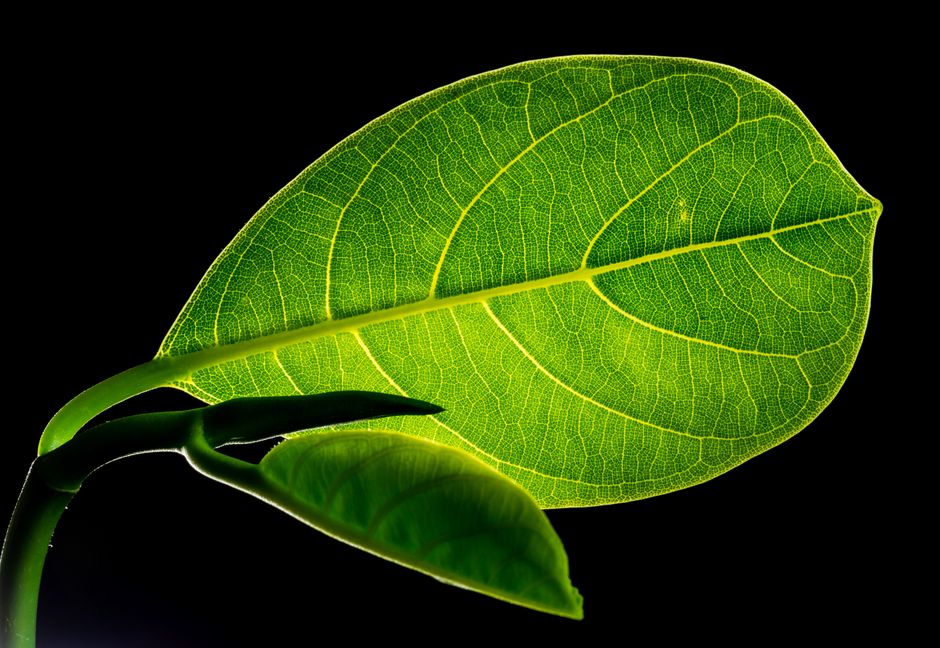
Harnessing the Leaf’s Lumina: A Micro-Scale Power Revolution
The concept of a single leaf powering an entire home, once confined to science fiction, is rapidly transitioning into tangible reality through groundbreaking advancements in bio-photovoltaics. This revolutionary technology, often dubbed "leaf power" or "plant power," leverages the inherent photosynthetic processes of plants to generate electricity. At its core, the mechanism involves the conversion of light energy, not into chemical energy for plant growth, but directly into electrical energy. This is achieved by augmenting or mimicking the natural electron transport chains within chloroplasts. Unlike traditional solar panels that rely on silicon-based semiconductor materials, bio-photovoltaic systems utilize biological components, primarily living plant cells or their isolated components, integrated with conductive materials. The minuscule electrical currents generated by individual leaves, when amplified and efficiently harvested, possess the potential to significantly offset or even eliminate a household’s reliance on conventional power grids. Research efforts are focused on optimizing the efficiency of electron transfer from the photosynthetic apparatus to external electrodes, as well as on the long-term viability and scalability of these bio-electric systems.
The fundamental principle behind leaf-powered electricity generation lies in the intricate process of photosynthesis. During photosynthesis, plants absorb light energy, water, and carbon dioxide to produce glucose (sugar) and oxygen. This process involves a series of complex biochemical reactions, including the light-dependent reactions where light energy is captured by chlorophyll and other pigments within chloroplasts. This captured energy excites electrons, initiating a flow of these electrons through a series of protein complexes embedded in the thylakoid membranes. This electron flow ultimately drives the production of ATP and NADPH, energy-carrying molecules essential for the Calvin cycle. In bio-photovoltaic systems, this natural electron flow is cleverly rerouted. Instead of solely feeding into the production of sugars, these excited electrons are intercepted by specially designed electrodes. These electrodes, often made of conductive polymers, carbon nanotubes, or metallic nanoparticles, are strategically placed within or in close proximity to the plant cells or chloroplasts. The design of these electrodes is crucial; they must be biocompatible, allowing for efficient electron transfer without damaging the biological machinery, and highly conductive to collect the generated current.
Several approaches are being explored to achieve this electron interception. One prominent method involves the use of genetically modified plants or algae. These organisms are engineered to overexpress specific proteins or to incorporate modified electron transport components that facilitate the direct release of electrons to an external circuit. Another strategy involves the isolation of functional chloroplasts from plant tissues and their immobilization onto conductive substrates. This approach bypasses the need for the entire plant, focusing solely on the photosynthetic machinery responsible for electron generation. Furthermore, the development of artificial leaf systems aims to mimic the structure and function of natural leaves using bio-inspired materials. These systems often involve self-assembling nanomaterials that replicate the arrangement of pigments and electron transport chains, allowing for light capture and controlled electron release. Regardless of the specific methodology, the overarching goal is to create a stable and efficient interface between the biological light-harvesting system and the electrical circuit.
The energy output from a single leaf, while individually small, becomes significant when considering the collective output of an entire plant or a strategically arranged array of plants. A typical leaf might generate microamperes of current under optimal light conditions. While this is a minuscule amount, the sheer number of leaves on a mature tree, for example, represents a vast potential for energy generation. Researchers are developing methods to optimize the surface area of contact between the biological component and the electrodes, as well as to enhance the electron transfer rate. This includes the use of novel nanomaterials that offer a higher surface-to-volume ratio, increasing the interaction sites for electron capture. Furthermore, understanding the optimal conditions for photosynthesis, such as light intensity, wavelength, CO2 concentration, and nutrient availability, is crucial for maximizing the electrical output of bio-photovoltaic systems. Manipulating these environmental factors can significantly boost the efficiency of energy conversion.
The integration of these bio-photovoltaic systems into a home energy solution involves more than just placing a leaf in a device. It requires sophisticated engineering to aggregate and store the generated electricity. The intermittent nature of sunlight necessitates the use of energy storage solutions, such as advanced battery technologies or supercapacitors, to ensure a continuous power supply. Furthermore, efficient power management systems are required to regulate the voltage and current produced by the bio-photovoltaic arrays and to deliver it to household appliances. The design of these systems also considers aesthetics and environmental integration, aiming to create unobtrusive and even aesthetically pleasing energy-generating structures that can be incorporated into building designs or landscaping. The concept of "living walls" or "bio-integrated facades" are emerging as promising avenues for large-scale application, where entire building surfaces are covered with bio-photovoltaic modules.
The potential advantages of leaf-powered electricity are substantial. Foremost is its sustainability. Unlike fossil fuels, plants are a renewable resource, and their cultivation for energy generation can contribute to carbon sequestration. Furthermore, bio-photovoltaic systems can operate under diffuse light conditions, making them viable in regions with less direct sunlight, and they can be produced using relatively low-cost and abundant biological materials. The decentralized nature of this technology also offers the potential for energy independence, allowing individual homes or communities to generate their own electricity, reducing reliance on large, centralized power grids. This decentralized approach can enhance grid resilience and reduce transmission losses. Moreover, the biological components are biodegradable, minimizing waste at the end of their lifespan, a significant environmental benefit compared to the disposal challenges of traditional solar panels.
However, significant challenges remain before leaf-powered electricity can become a mainstream solution. Efficiency is a primary concern. Current bio-photovoltaic systems are generally less efficient than conventional silicon-based solar panels. Improving the electron transfer rates and overall energy conversion efficiency requires continued research and development. The long-term stability and durability of biological components in real-world conditions are also critical factors. Exposure to environmental stressors, such as temperature fluctuations, pollutants, and pathogens, can degrade the performance and lifespan of bio-photovoltaic modules. Developing robust encapsulation techniques and engineering more resilient biological components are key areas of focus. Scalability is another hurdle; transitioning from laboratory prototypes to large-scale manufacturing and deployment requires innovative engineering and production processes. Cost-effectiveness is also a vital consideration; while biological materials can be abundant, the cost of sophisticated electrode materials and system integration needs to be competitive with existing technologies.
Research is actively pursuing solutions to these challenges. Advances in synthetic biology and genetic engineering are enabling the creation of highly efficient and robust bio-photovoltaic organisms. Nanotechnology plays a crucial role in developing advanced electrode materials with superior conductivity and biocompatibility. Furthermore, efforts are underway to develop standardized testing protocols and manufacturing processes to facilitate commercialization. The integration of artificial intelligence and machine learning is also being explored to optimize the performance and predictive maintenance of bio-photovoltaic systems. Understanding and mitigating the impact of environmental factors through intelligent design and adaptive control systems are also key research priorities. The ultimate goal is to achieve a self-sustaining and self-repairing bio-photovoltaic system that can seamlessly integrate into our daily lives.
The environmental implications of widespread adoption of leaf-powered electricity are profound. By displacing fossil fuel-based power generation, these systems can significantly reduce greenhouse gas emissions, contributing to climate change mitigation. The cultivation of biomass for bio-photovoltaic applications can also be integrated with sustainable agricultural practices, promoting biodiversity and improving soil health. The decentralized nature of the technology can also lead to a more equitable distribution of energy resources, empowering communities and reducing energy poverty. The visual impact of integrated bio-photovoltaic systems, such as living facades, can also contribute to urban greening and improve the aesthetic appeal of built environments, creating more pleasant and healthier living spaces. This shift towards bio-integrated energy solutions signifies a move away from the extractive and polluting nature of traditional energy sources towards a symbiotic relationship with the natural world.
The economic potential of the leaf-powered electricity sector is also considerable. The development and deployment of these technologies will create new industries, jobs, and investment opportunities in areas such as bio-engineering, material science, electrical engineering, and renewable energy installation and maintenance. The reduction in energy costs for households and businesses can also free up capital for other investments and economic activities. Furthermore, the potential for energy independence can lead to greater economic stability and reduce a nation’s reliance on imported fossil fuels, improving national security and economic resilience. The market for sustainable and environmentally friendly energy solutions is rapidly expanding, and leaf-powered electricity is poised to capture a significant share of this growing market.
In conclusion, the concept of a single leaf electrifying an entire home represents a paradigm shift in how we generate and consume energy. While challenges in efficiency, stability, and scalability persist, ongoing research and technological advancements are steadily bringing this vision closer to reality. The potential for a sustainable, decentralized, and environmentally beneficial energy future, powered by the humble leaf, is a compelling prospect that warrants continued investment and innovation. The transition to bio-photovoltaic technology is not merely about generating electricity; it is about fostering a more harmonious and sustainable coexistence between human civilization and the natural world, where our energy needs are met by the very processes that sustain life on Earth. This revolutionary approach promises to redefine our relationship with energy, moving from consumption to symbiosis, and ultimately towards a more resilient and environmentally conscious future.













No comments yet. Be the first to join the conversation!