

Will PlayStation Play the Cellphone Game? Unlocking Mobile Gaming’s Future with Console Power
The convergence of gaming platforms is an undeniable trend. As technology advances and user habits evolve, the lines between dedicated gaming consoles, personal computers, and mobile devices blur with increasing speed. For years, the PlayStation brand has been synonymous with high-fidelity, immersive gaming experiences. However, the burgeoning mobile gaming market, dominated by smartphones and tablets, represents a colossal revenue stream and a massive player base. This begs the crucial question: will PlayStation, a titan of the console world, strategically pivot to embrace and integrate with the cellphone game, or will it remain a separate, albeit powerful, entity? The answer is a resounding and multifaceted yes, but the "how" is far more complex than a simple porting of games. This article will delve into the multifaceted ways PlayStation is already playing the cellphone game, the future potential, the technological hurdles and opportunities, and the strategic implications for both Sony and the broader gaming landscape.
Sony’s initial foray into the mobile space, beyond the handheld Vita, was often characterized by a more conservative approach. PlayStation Mobile, a platform launched in 2012, aimed to bring PlayStation-quality games to Android devices. While it offered some intriguing titles, it ultimately struggled to gain significant traction. This was largely due to a fragmented Android ecosystem, a lack of compelling exclusive content that leveraged the PlayStation brand’s full potential, and the rapid evolution of mobile gaming towards free-to-play models and casual experiences. However, this early attempt was a learning experience, and Sony has since re-evaluated its mobile strategy, shifting its focus from developing a standalone mobile gaming ecosystem to leveraging its existing strengths within the broader mobile landscape.
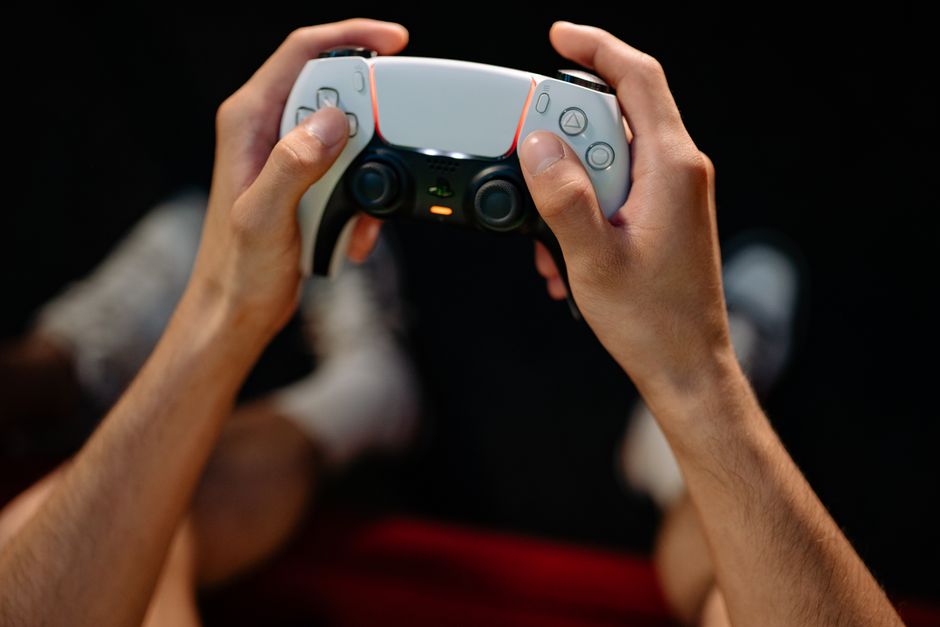
The most significant and current manifestation of PlayStation’s engagement with the cellphone game lies in the realm of cloud gaming and remote play. PlayStation Plus Premium, Sony’s subscription service, offers a cloud streaming option for a vast library of PlayStation 4 and PlayStation 5 games. This technology, while not exclusive to mobile, is fundamentally altering how players access console-quality experiences on non-traditional hardware. Through the PlayStation App on iOS and Android devices, users can stream select PS4 and PS5 games directly to their smartphones and tablets. This functionality requires a stable internet connection and a compatible controller (either a DualSense or DualShock 4, or even certain third-party mobile controllers), but it effectively allows a PlayStation 5 to "play" on a cellphone. This isn’t about running the game on the phone’s hardware; it’s about the phone acting as a powerful display and input device for games running on Sony’s servers. This is a crucial distinction, as it bypasses the inherent hardware limitations of mobile devices when it comes to rendering graphically intensive AAA titles.
Furthermore, the concept of "remote play" allows players to stream games from their own PS4 or PS5 console to their mobile devices, regardless of their location, as long as both devices are connected to the internet. This offers unparalleled flexibility, enabling players to continue their console gaming sessions on the go. Imagine finishing a raid on your PS5 and then seamlessly transitioning to your phone to manage your inventory or engage in lighter gameplay while commuting. This feature directly taps into the convenience-driven nature of mobile gaming, offering a bridge between dedicated hardware and on-demand entertainment. The continued refinement and expansion of these cloud and remote play services are the most direct and impactful ways PlayStation is already "playing the cellphone game."
Beyond streaming and remote play, Sony has also been strategically investing in mobile game development and publishing. While not directly developing AAA console titles for mobile, the company has been acquiring and partnering with studios that specialize in mobile game creation. The acquisition of Savage Game Studios, a mobile game developer founded by former employees of AAA studios, is a prime example. Savage Game Studios is reportedly working on a new mobile title set in the Horizon universe, a beloved PlayStation IP. This signifies a shift from simply porting or streaming to creating original, dedicated mobile experiences that leverage PlayStation’s intellectual property. This is a critical step, as it allows Sony to tap into the massive audience and revenue potential of the mobile market with titles specifically designed for the platform’s strengths and player expectations.
The strategic rationale behind this approach is clear. The mobile gaming market is enormous, surpassing both PC and console gaming in terms of revenue. By developing its own mobile titles or licensing its IPs to mobile developers, Sony can reach a new demographic of players who may not own a PlayStation console. This can serve as a gateway to the broader PlayStation ecosystem, potentially converting mobile players into future console purchasers. It also allows Sony to diversify its revenue streams, reducing its reliance solely on hardware sales and premium game releases.
The technological advancements that enable this convergence are also worth noting. The widespread adoption of 5G networks is a game-changer for cloud gaming. Lower latency and higher bandwidth mean that streaming experiences are becoming smoother and more responsive, minimizing the input lag that was once a major barrier to mobile cloud gaming. Mobile device hardware itself is also becoming increasingly powerful, capable of handling more complex graphics and processing. While a direct port of a PS5 graphical showcase like "Demon’s Souls" or "Ratchet & Clank: Rift Apart" to run natively on a smartphone is still a distant prospect, the gap is narrowing. However, the business model and design philosophies of mobile gaming often differ significantly from console gaming. Free-to-play mechanics, in-app purchases, and shorter, more session-based gameplay are prevalent on mobile, whereas console gaming often emphasizes premium upfront purchases and longer, more involved experiences.
The success of PlayStation’s "cellphone game" will depend on its ability to navigate these differences. Developing mobile titles that are true to the spirit of PlayStation IPs while also adhering to mobile market expectations is a delicate balancing act. Will Horizon on mobile be a full-fledged action RPG with deep mechanics, or will it be a more casual-friendly experience that retains the aesthetic and lore? The answer likely lies in a tiered approach, with some titles aiming for deeper engagement and others focusing on broader accessibility.
Furthermore, the integration with PlayStation’s existing services could be a significant differentiator. Imagine a mobile game that unlocks exclusive in-game content or cosmetic items for PlayStation console titles, or a system where progression in a mobile game can influence or be influenced by your console gaming experience. Cross-play and cross-progression are already established trends in PC and console gaming; extending these to mobile could foster a more connected and engaging gaming ecosystem for PlayStation.
The potential for PlayStation to "play the cellphone game" extends beyond just its own IP. As the company continues to solidify its cloud gaming infrastructure, it could theoretically open its platform to third-party mobile games that are looking for a high-quality streaming solution. This would position PlayStation as a hub for accessing a wide variety of mobile gaming experiences, further cementing its relevance in the mobile space. However, this would also require a significant shift in Sony’s business model, moving away from a purely first-party and curated second-party approach.
The competitive landscape also plays a role. Microsoft’s Xbox has been aggressively pursuing a cloud gaming strategy with Xbox Cloud Gaming, making many of its first-party titles available on mobile devices. This forces Sony to innovate and differentiate its offerings. The strength of PlayStation’s exclusive IPs, such as "The Last of Us," "Spider-Man," and "God of War," are its most powerful assets. Leveraging these brands effectively on mobile, whether through direct development, strategic partnerships, or innovative streaming solutions, will be key to its success.
In conclusion, the question of whether PlayStation will play the cellphone game is not a matter of "if," but "how extensively and how effectively." Sony is already deeply engaged in the mobile space through its cloud gaming services and strategic investments in mobile development. The future will likely see a further deepening of these efforts, with original mobile titles that leverage PlayStation’s iconic IPs, more seamless integration between console and mobile experiences, and continued innovation in cloud gaming technology. The challenge lies in striking the right balance between leveraging the power of the PlayStation brand and adapting to the unique demands and opportunities of the mobile gaming market. By doing so, PlayStation can ensure its continued relevance and dominance in the ever-evolving world of interactive entertainment, effectively playing and winning in the cellphone game.











No comments yet. Be the first to join the conversation!