Tag Mobile Device Security
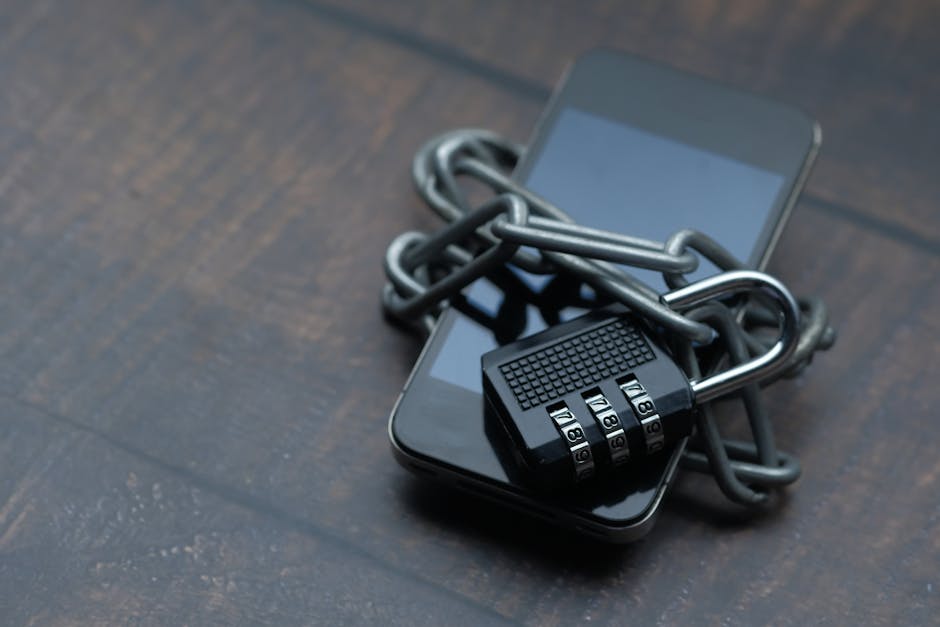
Mobile Device Security: Fortifying Your Digital Perimeter
The pervasive nature of mobile devices – smartphones, tablets, and even wearables – has revolutionized communication, commerce, and information access. However, this convenience comes with inherent security vulnerabilities that demand rigorous attention. Mobile device security encompasses a broad spectrum of practices, technologies, and strategies designed to protect data, privacy, and system integrity from a growing array of threats. These threats range from sophisticated malware and phishing attacks to physical theft and unauthorized access, impacting both individual users and large organizations. Understanding and implementing robust mobile security measures is no longer an option but a critical necessity in today’s interconnected world.
One of the primary pillars of mobile device security is passcode and biometric authentication. While seemingly basic, a strong, unique passcode or password is the first line of defense against unauthorized physical access. Complex passcodes employing a mix of upper and lowercase letters, numbers, and symbols are far more secure than simple sequences like "1234" or "password." Furthermore, the widespread adoption of biometric authentication, such as fingerprint scanners and facial recognition, offers an additional layer of convenience and enhanced security. These methods leverage unique biological characteristics, making it significantly harder for unauthorized individuals to gain entry. However, it’s crucial to be aware of the limitations of biometric systems, as they can sometimes be spoofed. Regular review and updating of these authentication methods, along with disabling automatic unlocking when the device is near a trusted Wi-Fi network or Bluetooth device, are essential practices.
Application security and management represent another critical domain. Mobile applications, while offering immense functionality, are also significant vectors for malware and data breaches. Users should exercise extreme caution when downloading apps, sticking to official app stores like Google Play Store and Apple App Store. These stores implement vetting processes, although they are not infallible. Prior to installation, users should scrutinize app permissions, granting only those that are genuinely necessary for the app’s intended function. An app requesting access to contacts, microphone, and location for a simple game, for instance, should raise immediate red flags. Regularly reviewing installed apps and uninstalling those that are no longer used or are deemed suspicious further strengthens security. For businesses, Mobile Device Management (MDM) solutions are indispensable. MDM software allows organizations to remotely configure, secure, and manage mobile devices used by employees. This includes enforcing security policies, deploying apps, wiping data from lost or stolen devices, and monitoring device compliance.
Network security is intrinsically linked to mobile device security, especially in an era of ubiquitous Wi-Fi and cellular connectivity. Public Wi-Fi networks, while convenient, are often unencrypted and can be easily intercepted by malicious actors. Users should avoid accessing sensitive information, such as banking details or login credentials, when connected to public Wi-Fi. Employing a Virtual Private Network (VPN) is a highly effective way to encrypt internet traffic, masking the user’s IP address and making it much harder for others to track their online activities or intercept data. Even on trusted home or office networks, ensuring the router’s security with a strong password and up-to-date firmware is crucial. Furthermore, understanding and managing mobile data usage and preventing automatic connections to unsecured networks are vital aspects of network security for mobile devices.
Data encryption and backup are foundational elements of protecting sensitive information. Modern mobile operating systems offer robust data encryption capabilities, often enabled by default. Ensuring this feature is active encrypts all data stored on the device, rendering it unreadable even if the device falls into the wrong hands. Beyond on-device encryption, regular data backups are paramount. Cloud-based backup services, offered by operating system providers and third-party vendors, provide a safety net against data loss due to device failure, theft, or accidental deletion. However, it’s crucial to ensure that these backup services themselves are secured with strong authentication and that sensitive data remains encrypted during the backup process. For organizations, implementing comprehensive data backup and recovery strategies for mobile devices is a non-negotiable aspect of business continuity and disaster recovery planning.
Malware and phishing awareness and prevention are ongoing battles. Mobile malware, including viruses, ransomware, and spyware, can infiltrate devices through malicious apps, infected websites, or deceptive links in emails and text messages. Phishing attacks, designed to trick users into divulging personal information, are increasingly sophisticated and prevalent on mobile platforms. Users must cultivate a healthy skepticism towards unsolicited communications, especially those that demand immediate action or offer unbelievable rewards. Hovering over links to inspect their true destination before clicking and being wary of attachments from unknown senders are fundamental preventative measures. Antivirus and anti-malware software for mobile devices, while not a silver bullet, can provide an additional layer of detection and removal capabilities. Keeping operating systems and apps updated is also critical, as updates often include patches for newly discovered security vulnerabilities that malware exploits.
Physical security and device loss prevention remain remarkably important. A lost or stolen device, even if encrypted, can still pose a significant risk. Implementing features like "Find My Device" (for Android) or "Find My iPhone" (for iOS) allows users to remotely locate, lock, or even erase their device, mitigating potential damage. Physical security also extends to being mindful of one’s surroundings, avoiding leaving devices unattended in public places, and disabling features like automatic unlocking when the device is not in use. For businesses, establishing clear protocols for reporting lost or stolen devices and having robust remote wipe capabilities in place are essential. The potential financial and reputational damage from a lost device containing sensitive corporate data can be substantial.
Software updates and patch management are critical for maintaining a secure mobile environment. Mobile operating systems and applications are constantly being updated to fix bugs, improve performance, and, most importantly, address security vulnerabilities. Attackers actively seek out and exploit unpatched systems. Therefore, enabling automatic updates for both the operating system and installed applications is a simple yet highly effective security practice. For businesses using MDM solutions, the ability to remotely push updates and enforce patch compliance across their fleet of devices is a core security function. Neglecting software updates is akin to leaving doors and windows unlocked, inviting potential intruders.
Privacy considerations and data minimization are integral to a holistic mobile security strategy. Users should be aware of the data their devices and apps collect and how it is used. Regularly reviewing app permissions and disabling those that are not essential helps to minimize the digital footprint. Opting out of personalized advertising and location tracking where possible further enhances privacy. For organizations, understanding and complying with data privacy regulations like GDPR and CCPA is paramount. Implementing data minimization principles, collecting only the data that is absolutely necessary, and securely storing and disposing of sensitive information are crucial for both legal compliance and user trust.
Emerging threats and future-proofing are ongoing concerns. The mobile security landscape is dynamic, with new threats and attack vectors constantly emerging. As mobile devices become more integrated into the Internet of Things (IoT) ecosystem, the attack surface expands. The rise of 5G technology promises faster speeds but also potentially new security challenges. Staying informed about the latest mobile security trends and best practices is vital. This includes understanding the security implications of new technologies, being prepared for evolving malware techniques, and continually adapting security strategies. A proactive approach, rather than a reactive one, is key to staying ahead of potential threats. Investing in ongoing security training for employees and staying abreast of vendor security advisories are essential components of a future-proof mobile security posture.
The role of secure coding practices in mobile app development cannot be overstated. For developers, incorporating security from the initial stages of app design and development is crucial. This involves adhering to secure coding guidelines, performing regular security testing, and being mindful of common vulnerabilities like SQL injection, cross-site scripting, and insecure data storage. A secure application is less likely to be a vector for malware or data breaches, contributing significantly to overall mobile device security. Understanding the security implications of third-party libraries and SDKs used in development is also vital, as these can introduce their own vulnerabilities.
Device hardening techniques, beyond basic passcodes, involve disabling unnecessary services and features on the mobile device. This can include turning off Bluetooth when not in use, disabling Wi-Fi scanning in the background, and limiting the visibility of the device on networks. For highly sensitive environments, the concept of "whitelisting" approved applications can also be implemented, preventing the installation of any unauthorized software. While these measures can sometimes impact user convenience, they significantly reduce the potential attack surface, making the device a harder target for malicious actors. For enterprise environments, enforcing these hardening techniques through MDM solutions is a standard practice to ensure a baseline level of security across all managed devices.
Biometric security evolution and risks warrant a deeper look. While fingerprint and facial recognition offer convenience, they are not impregnable. Sophisticated techniques can sometimes bypass these systems, particularly through high-resolution images or 3D-printed replicas. Furthermore, the storage of biometric data itself presents a privacy risk. If biometric data is compromised, it cannot be changed like a password. Therefore, users should be aware of the limitations, utilize multi-factor authentication whenever possible, and understand how their device manufacturer stores and protects biometric information. The ongoing research into more secure and robust biometric authentication methods, such as vein pattern recognition or iris scanning, offers potential future improvements in this area.
The impact of jailbreaking and rooting on mobile security is profoundly negative. Jailbreaking (for iOS) and rooting (for Android) remove the operating system’s security restrictions, allowing users to install unauthorized software and modify system files. While this offers greater customization, it also opens the door to significant security risks. Malicious apps can gain unrestricted access to sensitive data and system functions, making the device extremely vulnerable. Furthermore, official security updates may not function correctly on jailbroken or rooted devices, leaving them perpetually exposed to known vulnerabilities. For both individuals and organizations, maintaining devices in their default, non-jailbroken/rooted state is a fundamental security imperative.
The legal and regulatory landscape surrounding mobile device security and data privacy is constantly evolving. Compliance with regulations like the California Consumer Privacy Act (CCPA), the European Union’s General Data Protection Regulation (GDPR), and other industry-specific mandates is crucial for organizations. These regulations often dictate how personal data collected from mobile devices must be handled, secured, and protected. Failure to comply can result in substantial fines and reputational damage. Understanding these legal requirements and integrating them into mobile security policies and practices is essential for avoiding legal repercussions and building user trust. This includes implementing clear data retention policies, obtaining appropriate consent for data collection, and providing users with control over their personal information.
Continuous monitoring and threat intelligence are vital for maintaining effective mobile security. Mobile security is not a one-time setup; it requires ongoing vigilance. Implementing systems for continuous monitoring of mobile devices for suspicious activity, policy violations, or signs of compromise is crucial. This can involve using MDM solutions with advanced analytics capabilities or integrating with broader security information and event management (SIEM) systems. Subscribing to threat intelligence feeds and staying informed about emerging mobile threats and vulnerabilities allows organizations to proactively adapt their defenses. A reactive approach to security, waiting for an incident to occur, is far less effective and more costly than a proactive, intelligence-driven strategy. This continuous cycle of monitoring, analysis, and adaptation is the hallmark of robust mobile security.