Tag Real Time Reporting
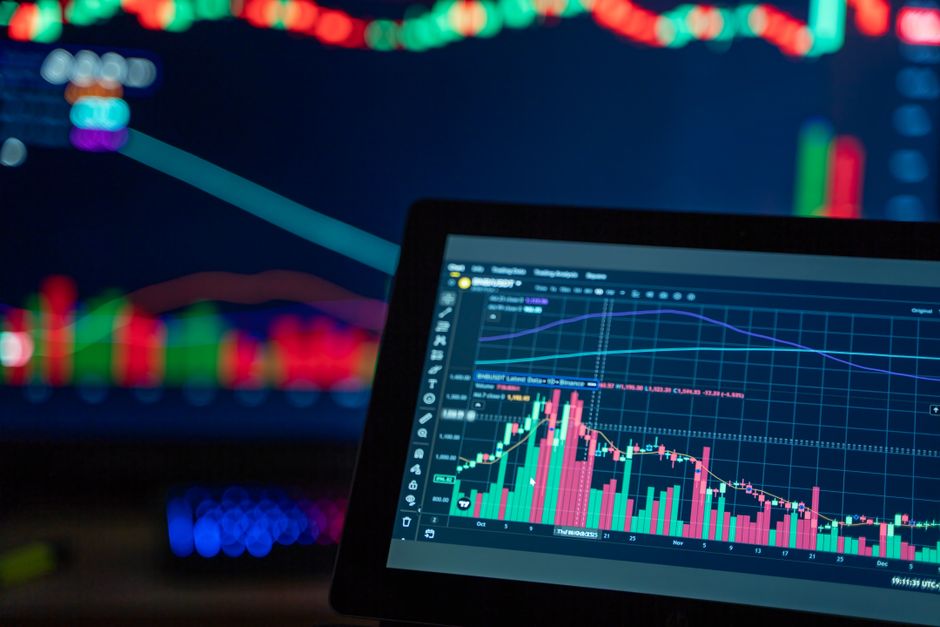
Real-Time Reporting: Revolutionizing Data Analysis for Agile Business Operations
Real-time reporting, a paradigm shift in how businesses access and interpret information, offers immediate visibility into operational performance, customer behavior, and market dynamics. This continuous flow of up-to-the-minute data empowers organizations to move beyond retrospective analysis and engage in proactive, agile decision-making. Unlike traditional batch reporting, which aggregates data periodically (daily, weekly, monthly), real-time reporting processes and presents information as it is generated. This immediacy is critical for industries where rapid response and dynamic adaptation are paramount, such as e-commerce, finance, logistics, and digital marketing. The core principle lies in minimizing the latency between an event occurring and its reflection in actionable insights. This translates to faster identification of trends, quicker detection of anomalies or issues, and the ability to adjust strategies on the fly. The benefits are multifaceted, encompassing improved customer experience through personalized interactions, enhanced operational efficiency by pinpointing bottlenecks, reduced risk via early warning systems, and ultimately, a significant competitive advantage. The technology underpinning real-time reporting has evolved considerably, driven by advancements in data streaming platforms, in-memory databases, and sophisticated analytical tools. Implementing real-time reporting is not merely about adopting new software; it necessitates a strategic re-evaluation of data architecture, processing workflows, and organizational culture to fully leverage its transformative potential.
The architectural foundation of real-time reporting hinges on the ability to ingest, process, and store data streams with minimal delay. This typically involves a robust data pipeline that can handle high volumes of incoming information continuously. Key components include data sources, which can be diverse, ranging from website clickstream data, point-of-sale systems, IoT sensors, social media feeds, and application logs. These sources feed into ingestion layers, often utilizing technologies like Apache Kafka, Amazon Kinesis, or Google Cloud Pub/Sub. These streaming platforms act as a buffer and a conduit, decoupling data producers from consumers and ensuring data durability and fault tolerance. The processed data then moves to processing engines, such as Apache Flink, Apache Spark Streaming, or KSQL, which perform transformations, aggregations, and analyses in memory or with very low latency. In-memory databases (e.g., Redis, SAP HANA) and specialized real-time analytical databases are crucial for storing and querying this rapidly changing data, enabling instantaneous retrieval for reporting dashboards. Furthermore, event-driven architectures are central to real-time reporting, where system actions are triggered by the occurrence of specific events, allowing for immediate updates and reactions. The scalability and reliability of these components are paramount to ensure that the reporting system can handle fluctuating data loads without compromising performance or data integrity.
The immediate implications of real-time reporting manifest across various business functions. For marketing and sales, it means understanding customer behavior as it unfolds. Imagine an e-commerce platform tracking website interactions – a customer browsing specific product categories, adding items to their cart, and then abandoning it. Real-time reporting can trigger an immediate personalized discount offer or a reminder email, significantly increasing the chances of conversion. Sales teams can monitor lead engagement in real-time, prioritizing follow-ups with prospects showing high interest. Customer service benefits from a unified, up-to-the-minute view of customer interactions across all touchpoints, enabling faster and more effective issue resolution, thereby boosting customer satisfaction and loyalty. In operations, real-time reporting is a game-changer for supply chain management. Companies can monitor inventory levels, track shipments, and predict potential disruptions with unprecedented accuracy. This allows for proactive adjustments, such as rerouting shipments or initiating emergency stock replenishment, preventing costly delays and stockouts. For financial institutions, real-time reporting is not just beneficial; it’s often a regulatory requirement. Monitoring transactions for fraudulent activity, tracking market fluctuations for trading strategies, and assessing risk exposure in real-time are critical for financial stability and security.
The technical considerations for implementing real-time reporting are substantial and require careful planning. Data volume and velocity are primary concerns. Systems must be designed to handle potentially massive and rapidly growing streams of data without performance degradation. Latency requirements are another critical factor; the definition of "real-time" can vary depending on the business need, from milliseconds to a few seconds. Choosing the right data processing framework is essential. Batch processing, while suitable for historical analysis, is inadequate for real-time needs. Stream processing engines offer the necessary capabilities for continuous data analysis. Storage solutions are equally important. Traditional relational databases may struggle with the ingest rate and query demands of real-time data. In-memory databases, time-series databases, and specialized analytical data stores are often more appropriate. Data quality and governance are also magnified in a real-time environment. Inaccurate or incomplete data can lead to flawed immediate decisions, so robust data validation and cleansing processes must be in place at the ingestion and processing stages. Security is paramount, especially when dealing with sensitive real-time data. Encryption, access controls, and secure data transmission protocols are non-negotiable. Furthermore, the integration of real-time reporting systems with existing IT infrastructure, including data warehouses and business intelligence tools, needs careful consideration to ensure a seamless flow of information.
The selection of appropriate technologies and tools is a critical determinant of success in real-time reporting implementation. For data ingestion and streaming, Apache Kafka has emerged as a de facto standard, providing high-throughput, fault-tolerant message queuing. Cloud-native services like Amazon Kinesis and Google Cloud Pub/Sub offer managed alternatives with excellent scalability. Stream processing frameworks like Apache Flink and Apache Spark Streaming are crucial for performing complex event processing, aggregations, and transformations on the fly. Flink is particularly lauded for its low-latency, stateful stream processing capabilities. For data storage and querying, in-memory databases like Redis or MemSQL (now SingleStore) offer rapid access. Time-series databases such as InfluxDB or TimescaleDB are optimized for handling time-stamped data, making them ideal for IoT and monitoring applications. Real-time analytics platforms like Apache Druid or ClickHouse are designed for interactive querying of large datasets with low latency. Visualization tools are the end-point for many real-time reporting initiatives. Platforms like Tableau, Power BI, Grafana, and Looker can connect to real-time data sources to provide dynamic dashboards and interactive reports, allowing users to monitor key performance indicators (KPIs) as they evolve. The choice of tools will often depend on factors such as existing infrastructure, team expertise, budget, and the specific business use case.
The strategic benefits of adopting real-time reporting extend far beyond operational efficiency. It fosters a culture of data-driven decision-making that is both agile and responsive. By providing immediate insights, real-time reporting empowers employees at all levels to identify opportunities and threats as they emerge, rather than waiting for scheduled reports. This can lead to faster innovation, improved customer retention, and more effective resource allocation. In competitive markets, the ability to react to market shifts, competitor actions, or customer sentiment in real-time can be the difference between success and failure. For example, a company experiencing a sudden surge in demand for a particular product can use real-time sales data to immediately ramp up production or marketing efforts. Conversely, if a campaign is underperforming, real-time analytics can pinpoint the issue, allowing for rapid adjustments to messaging or targeting. This continuous feedback loop enables organizations to optimize their strategies dynamically, ensuring they remain aligned with evolving business conditions. Furthermore, real-time reporting can enhance transparency and accountability within an organization. When performance metrics are visible and updated continuously, it becomes easier to track progress against goals and identify areas where intervention is needed. This can foster a more performance-oriented culture.
However, the implementation of real-time reporting is not without its challenges. The initial investment in infrastructure, software, and expertise can be significant. Building and maintaining a robust real-time data pipeline requires specialized skills in areas like distributed systems, stream processing, and data engineering. Data quality management becomes even more critical in a real-time environment; inaccuracies or inconsistencies can propagate rapidly and lead to incorrect decisions. Organizations must establish clear data governance policies and implement automated data validation processes. The sheer volume of data generated in real-time can also be a challenge for storage and processing. Careful capacity planning and the adoption of scalable technologies are essential to avoid performance bottlenecks. Furthermore, integrating real-time reporting systems with existing legacy systems can be complex and require significant effort. Overcoming organizational inertia and resistance to change can also be a hurdle. Employees accustomed to traditional reporting methods may require training and support to adapt to the new workflows and embrace the immediate insights offered by real-time reporting. Establishing clear use cases and demonstrating tangible ROI early on can help build momentum and foster adoption.
The future of real-time reporting is intrinsically linked with the evolution of artificial intelligence and machine learning. As data streams are processed in real-time, ML algorithms can be deployed to identify complex patterns, predict future trends, and automate decision-making processes. For instance, real-time fraud detection systems can leverage ML models to identify suspicious transactions with increasing accuracy. Predictive maintenance systems can analyze sensor data in real-time to forecast equipment failures before they occur, enabling proactive servicing and minimizing downtime. AI-powered chatbots and virtual assistants can access real-time customer data to provide personalized and immediate support. The integration of AI with real-time reporting creates a powerful synergy, enabling not just monitoring but also intelligent automation and proactive intervention. The development of more sophisticated stream processing capabilities, such as complex event processing (CEP) engines that can detect intricate sequences of events, will further enhance the power of real-time analytics. Furthermore, the increasing adoption of edge computing will allow for real-time data processing and analysis closer to the data source, reducing latency even further and enabling faster responses in distributed environments. The continued democratization of data analytics tools will also make real-time insights more accessible to a wider range of users within an organization.
In conclusion, real-time reporting represents a fundamental shift in how businesses leverage data, moving from retrospective analysis to proactive, agile decision-making. By providing immediate visibility into critical business processes, it empowers organizations to enhance customer experiences, optimize operations, reduce risk, and gain a significant competitive advantage. The successful implementation of real-time reporting requires a strategic approach to data architecture, technology selection, and organizational change management. While challenges exist, the transformative benefits and the continued advancements in related technologies like AI and edge computing underscore its growing importance as an indispensable tool for modern, data-driven enterprises aiming to thrive in an increasingly dynamic global marketplace. The ability to act on information as it is generated is no longer a luxury but a necessity for sustained success.