The Laws Losing The Texting While Driving Fight
The Futile Battle: Why Laws Are Losing the Texting While Driving Fight
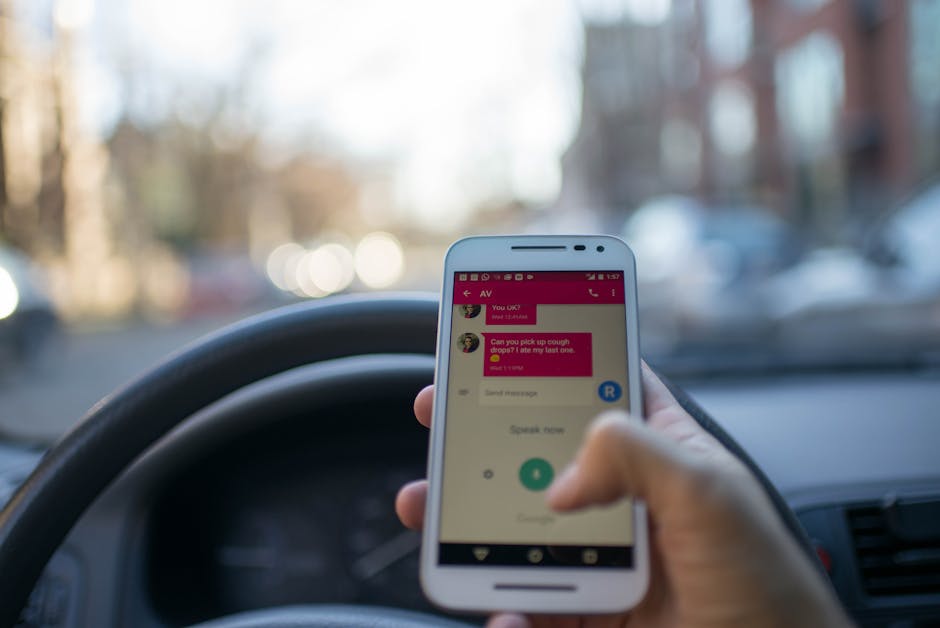
The relentless tide of vehicle-related fatalities and injuries continues to crest, and at its heart lies the insidious habit of texting while driving. Despite decades of awareness campaigns, legislative efforts, and increasingly stringent penalties, the simple act of composing or reading a text message behind the wheel remains stubbornly pervasive. This isn’t a simple issue of individual defiance; it’s a complex societal failing, a testament to the inertia of ingrained habits, and a stark illustration of how even well-intentioned laws can struggle to keep pace with rapidly evolving technology and human behavior. The laws, in their current form and implementation, are demonstrably losing the fight against texting while driving, and understanding why is crucial to forging a path toward genuine safety.
One of the most significant hurdles is the sheer ubiquity of smartphones. These devices are no longer novelties; they are integrated into the fabric of modern life, serving as communication hubs, navigation tools, entertainment centers, and even extensions of our professional lives. This deep integration creates a constant psychological pull, a feeling of being perpetually connected and, therefore, perpetually needing to respond. The physical act of holding a phone and typing a message is only a fraction of the problem; the cognitive distraction, the mental preoccupation with the message content and the anticipation of a reply, is far more insidious and far more difficult to legislate against. Even hands-free devices, often touted as a safer alternative, have been shown to create significant cognitive load, diverting mental resources away from the critical task of driving. Laws that focus solely on the physical act of holding a phone often miss this deeper, more pervasive form of distraction.
Furthermore, the enforcement of texting while driving laws presents a monumental challenge. For a law enforcement officer to issue a ticket, they must witness the driver actively engaging in the prohibited behavior. This requires officers to be in the precise location at the precise moment, often in fast-moving traffic, and to accurately assess what a driver is doing with their phone. Distinguishing between a quick glance at a GPS, a brief interaction with a music app, and composing a text message can be incredibly difficult, even for a trained observer. This inherent difficulty in enforcement leads to a low probability of being caught, and the perception of low risk significantly undermines the deterrent effect of any law. Without consistent and visible enforcement, laws become mere suggestions rather than effective prohibitions.
The nature of enforcement also tends to be reactive rather than proactive. Officers are typically responding to erratic driving or crashes, at which point the damage has already been done. To truly combat the issue, a more proactive approach would be needed, which is resource-intensive and often impractical. The sheer volume of vehicles on the road, coupled with the transient nature of the offense, makes it impossible for law enforcement to be everywhere at once. This leaves a vast window of opportunity for drivers to engage in the dangerous behavior with little fear of immediate repercussion. The legal framework struggles to adapt to a problem that is so widespread, so easily concealed, and so reliant on individual honesty for its enforcement.
The effectiveness of penalties also comes into question. While many jurisdictions have increased fines, implemented license suspensions, and added points to driving records, these penalties often fail to resonate with drivers who perceive the risk of being caught as low. For a penalty to be a true deterrent, it needs to be perceived as certain and significant. The current penalties, while perhaps substantial in theory, are often rendered moot by the low probability of their imposition. Moreover, the cost of a ticket, while impactful for some, can be a mere inconvenience for others, especially when coupled with the perceived immediate benefit of staying connected. The punitive approach, while a necessary component, is proving insufficient on its own.
The psychological aspect of this problem cannot be overstated. The addiction to digital connectivity is a powerful force, fueled by social pressures, fear of missing out (FOMO), and the instant gratification provided by notifications. Drivers, even those who understand the risks, often succumb to the urge to check their phones, telling themselves it will only take a second. This "just a second" mentality, repeated millions of times a day, accumulates into a staggering number of dangerous distractions. The laws are attempting to legislate against a deeply ingrained psychological habit, a habit that is actively reinforced by the very technology they seek to regulate. This creates an uphill battle where the law is constantly fighting against a powerful, pervasive, and deeply human impulse.
Furthermore, the evolution of technology outpaces legislative action. As soon as laws are enacted to address specific behaviors, new technologies emerge that can circumvent them. For instance, the development of voice-activated commands, predictive text, and even augmented reality interfaces on car dashboards can create new avenues for distraction that existing laws may not adequately cover. The legal system, inherently slower and more deliberative, struggles to keep pace with the rapid innovation cycles of the technology industry. By the time a law is drafted and implemented, the technological landscape may have already shifted, rendering the law partially or even entirely obsolete. This creates a perpetual game of catch-up, where legislation is always one step behind the problem.
Public perception and the normalization of dangerous behavior also play a significant role. While most people acknowledge that texting while driving is dangerous, a substantial portion of the driving population admits to doing it. This widespread acceptance, even if tacit, normalizes the behavior, making it seem less egregious than it actually is. Public awareness campaigns, while important, can lose their impact over time, especially if they are not consistently reinforced with effective enforcement and compelling evidence of their success. The perception that "everyone is doing it" erodes the sense of personal responsibility and the understanding of the severe consequences that can arise from even a brief lapse in attention.
The focus on "texting" as the sole culprit also misses the broader picture of distracted driving. While texting is undeniably a major contributor, other distractions, such as adjusting GPS, interacting with infotainment systems, talking to passengers, eating, or even being lost in thought, all pose significant risks. Laws that specifically target only texting might inadvertently create a false sense of security, leading drivers to believe that other forms of distraction are less dangerous, when in reality, any diversion of attention from the road can be catastrophic. A more holistic approach to distracted driving, encompassing all forms of cognitive, visual, and manual impairment, would be more effective, but also more complex to legislate and enforce.
The effectiveness of educational campaigns is also debatable. While these campaigns raise awareness, they often struggle to translate that awareness into behavioral change. Simply knowing that texting while driving is dangerous does not guarantee that individuals will refrain from doing it, especially when faced with the psychological pressures and perceived immediacy of digital communication. The emotional impact of graphic depictions of accidents, while intended to shock and deter, can also lead to desensitization or a coping mechanism of denial. The challenge lies in finding educational strategies that foster genuine, lasting behavioral change rather than temporary fear.
The legal framework often struggles with the concept of intent. It’s difficult to prove that a driver intended to be distracted by their phone, as opposed to simply having it accessible while driving. This can lead to challenges in prosecution and may result in lighter penalties than warranted, further undermining the deterrent effect. The law is designed to punish intent, but the nature of distracted driving often involves a gradual lapse of attention rather than a deliberate act of defiance. This nuanced distinction can be a significant hurdle in achieving justice and implementing effective deterrents.
In conclusion, the laws designed to combat texting while driving are faltering not due to a lack of effort or good intentions, but due to the inherent complexities of human behavior, the relentless evolution of technology, and the practical challenges of enforcement. The fight is being lost because the laws are often too narrow in scope, too slow to adapt, too reliant on unreliable enforcement, and too easily undermined by powerful psychological and societal forces. Until a more comprehensive, adaptive, and consistently enforced strategy is adopted – one that addresses the multifaceted nature of distracted driving, leverages technological solutions, and fosters a genuine cultural shift away from the pervasive need for constant digital connectivity while operating a vehicle – the laws will continue to be outmaneuvered in this critical battle for road safety. The current legal framework, while a starting point, is demonstrably insufficient to stem the tide of preventable tragedies.