Nokia Recalls Potentially Hazardous Chargers
Nokia Charger Recall: Identifying and Replacing Potentially Hazardous Power Adapters
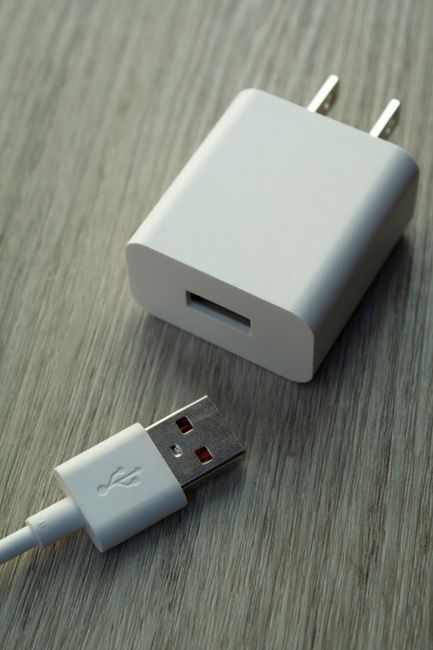
Recent safety concerns have led to a voluntary recall of specific Nokia mobile phone chargers. This recall, initiated by Nokia, addresses a potential hazard associated with certain power adapter models that could pose a risk of overheating and posing a fire risk to consumers. Understanding the scope of this recall, how to identify affected chargers, and the process for obtaining a replacement is crucial for all Nokia users who may possess these accessories. The primary concern revolves around the possibility of internal component failure within the affected chargers, which can lead to excessive heat generation during operation. This overheating can, in turn, compromise the charger’s casing and potentially ignite surrounding materials, creating a significant fire hazard. The recall emphasizes a proactive approach to consumer safety, urging all users to verify their charger models and take immediate action if their device is among those identified.
The chargers in question are primarily older models, often bundled with Nokia mobile phones purchased several years ago. The exact models and manufacturing dates are critical for consumers to ascertain if their charger is part of the recall. Nokia has provided specific identification information on their official support websites and through press releases distributed to media outlets. This information typically includes the model number, a unique identifier, and sometimes a date range of manufacture. Consumers are advised to carefully examine the label on their charger, usually located on the adapter itself or a small tag attached to the power cord. These labels are often small and may require a magnifying glass to read clearly. Key details to look for include the "Nokia" brand name, the model number (e.g., AC-3, AC-4, AC-5, AC-6, AC-8, AC-10, AC-11, AC-15, AC-16, AC-18, AC-19), and potentially a manufacturing code or date stamp. The recall is not exhaustive of all Nokia chargers; rather, it targets specific batches identified by Nokia as having a higher propensity for this defect.
The potential risk associated with these faulty chargers stems from the degradation of internal components over time, exacerbated by normal usage patterns and environmental factors such as heat and humidity. When these components fail, they can cause short circuits or excessive resistance, leading to a significant increase in temperature. This uncontrolled heat buildup can melt the plastic casing of the charger, exposing internal wiring and increasing the likelihood of electrical arcing and ignition. The severity of the risk is amplified by the fact that chargers are often plugged into wall outlets for extended periods, sometimes overnight, when users are asleep, or when they are not present in the immediate vicinity. This makes early detection and replacement of recalled units paramount to preventing potential accidents. Nokia’s decision to implement a voluntary recall underscores their commitment to consumer safety and their recognition of the potential severity of this issue.
Identifying an affected charger requires a meticulous examination of the accessory. Consumers should disconnect the charger from the power outlet and the mobile device. The charger’s body, the part that plugs into the wall, typically houses the most crucial identifying information. Look for a label printed or molded onto the plastic. This label will clearly display the Nokia logo and a model number. Common model numbers included in the recall are AC-3, AC-4, AC-5, AC-6, AC-8, AC-10, AC-11, AC-15, AC-16, AC-18, and AC-19. In addition to the model number, a manufacturing date or code may be present. This could be a series of numbers and letters, or a format like "YYYY-MM" or "WWYY" (week and year). Nokia’s official recall notices will provide specific guidance on how to interpret these codes for the affected batches. If the label is worn or illegible, it is safer to err on the side of caution and assume the charger could be affected.
The recall process is designed to be straightforward for consumers. Nokia typically establishes a dedicated section on their website for recall information. This often includes an online form where users can input their charger’s model number and other identifying details. If the entered information matches the recalled units, the website will guide the user through the next steps. This usually involves providing shipping information for a free replacement charger. In some cases, consumers might be directed to authorized service centers for inspection and exchange. It is imperative that consumers visit the official Nokia website or contact Nokia customer support directly to ensure they are following the correct procedure. Third-party websites or unofficial channels may provide inaccurate information or lead to scams. The goal is to facilitate a smooth and safe transition to a non-hazardous replacement.
To obtain a replacement charger, consumers should first visit the official Nokia support website for their region. Search for "Nokia charger recall" or a similar phrase. The website will have a dedicated page outlining the recall, including a list of affected model numbers and manufacturing date ranges. Many recall pages feature an online tool where users can enter their charger’s model number to check if it is part of the recall. If the charger is identified as affected, the website will provide instructions on how to proceed. This typically involves filling out a form with your contact and shipping information. Nokia will then send a pre-paid shipping label or arrange for a courier to collect the faulty charger and deliver a new, safe replacement. Consumers are strongly advised not to use the recalled charger any further once they have identified it as potentially hazardous.
The urgency of this recall cannot be overstated. While the risk of a fire is not guaranteed with every faulty charger, the potential for severe damage to property and serious injury to individuals is significant. Consumer safety organizations and fire departments often highlight the dangers of faulty electrical devices, and this Nokia charger recall is a clear example of such a concern. The use of a recalled charger, even if it appears to be functioning normally, carries an inherent risk. Therefore, prompt action is crucial. Discontinuing use of the charger immediately upon identification is the first and most important step. Once a replacement has been ordered or obtained, the recalled charger should be disposed of responsibly, following local regulations for electronic waste disposal. Do not attempt to repair or modify the recalled charger.
The manufacturing and quality control processes for electronic devices are complex, and occasional issues can arise. Even with rigorous testing, manufacturing defects can sometimes slip through, particularly in older production runs. This recall serves as a reminder for manufacturers to maintain robust quality assurance protocols and to respond swiftly and transparently when potential safety issues are identified. For consumers, it highlights the importance of being aware of product recalls and taking proactive measures to ensure the safety of their household. Understanding the identifying marks on electronic accessories and staying informed about potential safety alerts from reputable sources are essential practices for modern consumers. The goal of this recall is to mitigate risks and ensure that all Nokia users can continue to power their devices safely and reliably.
The proactive nature of this voluntary recall by Nokia is a positive indicator of their commitment to customer well-being. Instead of waiting for incidents to occur, Nokia has taken steps to identify and address a potential safety concern before it escalates. This approach, while potentially costly for the company, prioritizes the safety of its users and aims to prevent any harm or damage. Consumers who own Nokia mobile phones and have used them consistently over the years are likely to have at least one charger that might fall within the scope of this recall. Therefore, a thorough check of all chargers in possession, not just the one currently in use, is recommended. The long-term reliability and safety of electronic accessories are paramount, and recalls such as this one reinforce the importance of vigilance and responsible product management.
The environmental impact of discarded electronics also warrants consideration. While the immediate priority is safety, responsible disposal of the recalled chargers is also encouraged. Consumers should check their local municipal waste management guidelines for the proper disposal of electronic waste. Many areas have designated drop-off points or collection events for e-waste, which ensures that hazardous materials are handled appropriately and valuable components can be recycled. By taking these steps, consumers can not only ensure their own safety but also contribute to environmental sustainability. The comprehensive approach to this recall, encompassing identification, replacement, and responsible disposal, reflects a mature and responsible product stewardship by Nokia.
In conclusion, the Nokia charger recall is a critical safety initiative that necessitates immediate attention from affected users. By understanding the identification markers, following the prescribed replacement procedure, and prioritizing safety above all else, consumers can effectively mitigate the risks associated with potentially hazardous power adapters. The commitment to consumer safety demonstrated by this proactive recall underscores the importance of vigilance in the use of electronic devices and the value of transparent communication from manufacturers regarding potential product defects.