
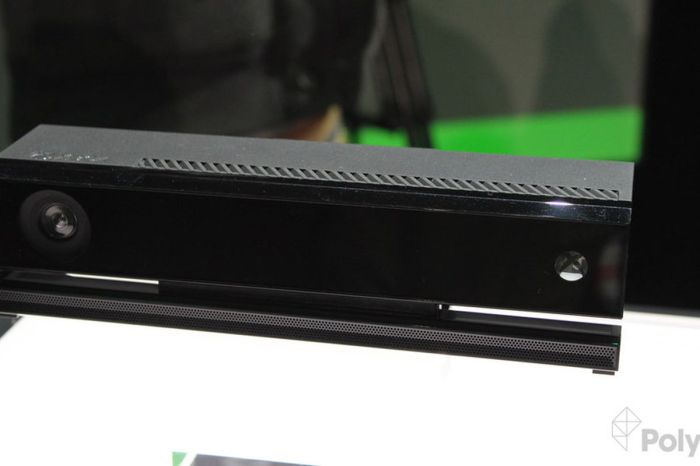
Kinect SDK Motion Controls New Frontier
Kinect SDK could open new worlds for motion controlled interfaces, promising a revolutionary shift in how we interact with technology. Imagine controlling devices and applications simply by moving your body. This fascinating technology, built upon decades of innovation, is now poised to transform various sectors from gaming to healthcare, making our interactions more intuitive and natural.
This exploration dives deep into the potential of the Kinect SDK, examining its core components, functionalities, and potential applications. We’ll compare it to other motion-tracking technologies, analyzing its advantages and limitations. From technical considerations to future possibilities, we’ll cover everything you need to understand the transformative power of motion-controlled interfaces powered by the Kinect SDK.
Introduction to Motion Controlled Interfaces

Motion-controlled interfaces, a rapidly evolving field, allow users to interact with digital environments using their body movements. This innovative approach promises a more intuitive and natural way to interact with computers and other devices, blurring the lines between the physical and digital worlds. The potential for these interfaces extends far beyond gaming, impacting fields like healthcare, education, and design.This exploration delves into the history, current state, and future prospects of motion-controlled interfaces, providing a comprehensive overview of their development and applications.
We will examine the different technologies behind these interfaces and analyze their strengths and limitations.
Historical Evolution of Motion-Controlled Interfaces
The concept of motion-controlled interfaces has been explored for decades, with early prototypes and experiments laying the groundwork for modern implementations. Early attempts focused on using specialized gloves and sensors to track hand movements. The development of more sophisticated tracking systems, like optical cameras and infrared sensors, paved the way for more natural and accurate interaction. Significant milestones include the introduction of the Nintendo Wii, which popularized motion controls through intuitive game mechanics.
Key Technologies and Milestones
Early motion-controlled interfaces were often bulky and expensive, limiting their accessibility and adoption. However, the evolution of sensor technology has made them more affordable and user-friendly. Key technologies driving the evolution include:
- Optical Tracking Systems: These systems use cameras to track the position and movement of objects or body parts. Modern examples include the Microsoft Kinect and the Leap Motion controller. They work by detecting changes in the position of markers or by analyzing patterns of light reflections. This method offers high accuracy in controlled environments but can be affected by lighting conditions and cluttered spaces.
- Infrared Tracking Systems: These systems use infrared light to track the position and movement of objects or body parts. They often rely on markers or reflective surfaces to improve tracking accuracy. These systems generally offer better accuracy than optical systems in low-light conditions but can be more expensive and complex to set up.
- Marker-Based Systems: These systems use specialized markers that are tracked by cameras or sensors. They provide highly accurate tracking but require the use of specific markers on the user’s body or the object being tracked. This is often used in professional applications and research.
Current State of Motion-Controlled Interfaces
Motion-controlled interfaces are no longer confined to the gaming industry. Their application spans various fields, including:
- Gaming: Motion controllers are integral to many modern video games, allowing players to interact with the game world in a more immersive and intuitive way. Examples include the popular use of motion controls in first-person shooters, action-adventure games, and dance games.
- Healthcare: Motion capture technology is used to assist in physical therapy, allowing clinicians to monitor and evaluate patient movements with greater precision. This also helps in surgical planning and rehabilitation exercises.
- Design and Modeling: Motion-controlled interfaces provide an alternative method for 3D modeling and design. This approach allows users to interact with designs in a more intuitive and engaging way, especially in virtual reality (VR) environments.
- Industrial Applications: Industries like manufacturing and assembly use motion capture to improve the efficiency and accuracy of tasks. This technology is applied to training, monitoring, and automated systems.
Comparison of Motion Capture Technologies
| Technology | Accuracy | Cost | Ease of Use |
|---|---|---|---|
| Kinect | Moderate | Low | High |
| Leap Motion | High | Medium | Medium |
| Marker-Based Systems | High | High | Low |
The table above provides a general comparison, as the specific performance of each technology can vary based on factors like the application and environmental conditions.
The Kinect SDK and its Potential: Kinect Sdk Could Open New Worlds For Motion Controlled Interfaces
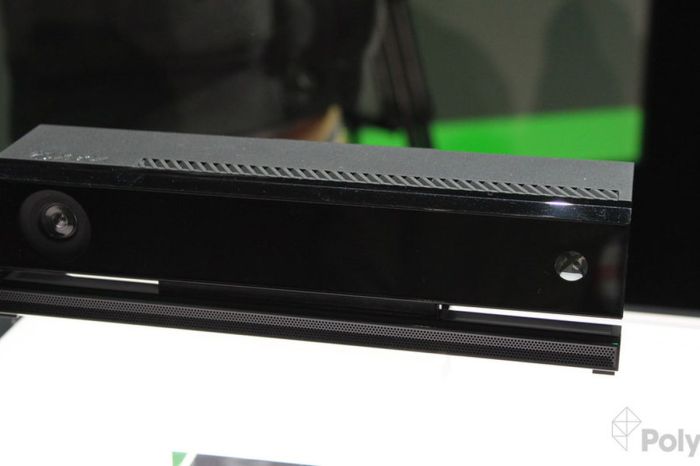
The Kinect SDK, a powerful tool for developers, has opened up a new world of possibilities in motion-controlled interfaces. Its ability to track human motion with remarkable accuracy has driven innovation across various industries, from gaming to healthcare. This exploration delves into the core components, capabilities, and potential advantages of using the Kinect SDK for building immersive and interactive experiences.The Kinect SDK’s core strength lies in its sophisticated algorithms and hardware integration.
This allows developers to create applications that respond dynamically to user movements, providing a natural and intuitive interaction paradigm. The potential to revolutionize how we interact with technology is immense.
Fundamental Components of the Kinect SDK
The Kinect SDK provides a comprehensive set of tools and APIs for developers to harness the capabilities of the Kinect sensor. Key components include the depth sensor, which measures the distance to objects, and the color camera, which captures visual data. Sophisticated algorithms within the SDK process this data, enabling the accurate tracking of human body posture and movements.
Capabilities and Functionalities Offered by the Kinect SDK
The Kinect SDK offers a rich array of functionalities for motion tracking and analysis. It can detect and track skeletal joints, allowing developers to create applications that respond to specific gestures and movements. The SDK also provides access to depth maps, enabling the creation of 3D models and environments that react to user presence and actions. This rich functionality empowers developers to craft interactive experiences that are highly responsive and natural.
Potential Advantages of Using the Kinect SDK for Developing Motion-Controlled Interfaces
The Kinect SDK offers numerous advantages for developers creating motion-controlled interfaces. Firstly, it provides a robust and accurate method for tracking user motion, enabling more precise and intuitive interactions. Secondly, the SDK’s extensive documentation and community support facilitate development and troubleshooting. Thirdly, the potential for creating immersive and engaging user experiences is significant.
Comparison of the Kinect SDK with Other SDKs for Motion Tracking
Compared to other motion-tracking SDKs, the Kinect SDK often provides a balance between accuracy and affordability. While some high-end solutions offer even greater precision, the Kinect’s accessibility and relatively low cost make it a compelling choice for many applications. It’s essential to consider the specific needs of the project when evaluating different SDKs.
Use Cases for Motion-Controlled Interfaces Powered by the Kinect SDK
The Kinect SDK empowers developers to create applications for diverse use cases. The table below illustrates the wide range of possibilities.
| Use Case | Description |
|---|---|
| Gaming | Enabling immersive gameplay experiences, where players interact with the virtual world using natural body movements. |
| Healthcare | Assisting physical rehabilitation through motion tracking, and monitoring patient progress. Tracking exercises for therapy. |
| Industrial Automation | Improving the efficiency and safety of industrial processes through motion-guided control systems. |
| Education | Creating interactive learning environments where students can interact with educational content using their body movements. |
| Accessibility | Developing interfaces that are accessible to individuals with disabilities. |
Potential Applications and Impact
The Kinect SDK, with its ability to track human motion in 3D space, unlocks a world of possibilities beyond traditional input methods. Its potential extends far beyond gaming, offering innovative solutions across diverse sectors, from healthcare and education to industrial design. This exploration dives into the transformative applications of motion-controlled interfaces, highlighting their potential to reshape user experience and improve efficiency in various domains.The Kinect SDK’s capabilities are not confined to a single application.
Its adaptability allows for the creation of intuitive and engaging interfaces for a wide range of tasks, making complex interactions more accessible and user-friendly. This innovative approach has the potential to redefine how we interact with technology, opening doors to a more immersive and natural user experience.
Innovative Applications in Gaming
Motion-controlled gaming experiences have evolved significantly with the Kinect SDK. Early applications, such as playing sports games or dancing, showcased the potential of translating physical movement directly into in-game actions. More recent developments have seen the integration of complex gesture recognition, enabling intricate maneuvers and character control, enhancing realism and immersion. The flexibility of the Kinect SDK allows for customization, enabling developers to tailor the gaming experience to diverse user needs and preferences.
Healthcare Applications
The Kinect SDK’s potential extends to rehabilitation and physical therapy. Motion tracking can precisely measure joint angles and movements, enabling therapists to monitor patient progress and tailor exercises to individual needs. This technology also has applications in virtual reality environments for stroke rehabilitation, allowing patients to practice specific movements in a controlled, immersive setting. Such applications hold the promise of personalized, effective, and accessible rehabilitation solutions.
Educational Applications
Motion-controlled interfaces can revolutionize education by creating more interactive and engaging learning experiences. Imagine students using gestures to manipulate virtual objects in a science lesson or to construct complex models in 3D. This approach can enhance comprehension and foster deeper learning through active participation. By enabling students to interact with the material in a hands-on manner, the Kinect SDK empowers them to explore complex concepts in a more intuitive and captivating way.
Challenges to Widespread Adoption
Despite its potential, the widespread adoption of motion-controlled interfaces faces several hurdles. The need for specialized hardware and software can create a barrier for some users, as well as the need for significant development time to create complex, engaging applications. Furthermore, the potential for motion tracking inaccuracies or user discomfort with the interface can impact the overall user experience.
- Cost of Implementation: The initial investment in hardware and software can be substantial, making the technology inaccessible to smaller organizations or individual users. However, the long-term cost-benefit ratio can be positive, especially in high-volume usage scenarios.
- Development Complexity: Creating robust and engaging motion-controlled applications requires significant development expertise. The complexity of gesture recognition and interaction design can pose challenges to developers, requiring substantial investment in time and resources.
- User Experience: Maintaining a consistent and intuitive user experience across different applications and user groups is crucial for success. Inaccuracies in motion tracking, or user discomfort with the interface, can hinder widespread adoption.
Comparison with Traditional Input Methods
| Feature | Motion-Controlled Interfaces | Traditional Input Methods (e.g., Keyboard, Mouse) |
|---|---|---|
| Technical Aspects | Precise 3D motion tracking, natural interaction, potential for high-fidelity control. Requires specialized hardware and software. | Simple, readily available hardware, well-established software ecosystem. Limited to 2D input. |
| User-Friendliness | Intuitive for some tasks, but may require learning curve for others. Potential for high levels of engagement and immersion. | Familiar, often requiring less training time. Can feel less intuitive for certain tasks. |
Technical Considerations and Implementation
The Kinect SDK, while powerful, requires careful consideration in its implementation. Successful motion-controlled interfaces depend on understanding the technical hurdles and developing strategies to overcome them. This section delves into the key technical aspects, from hardware requirements to the complexities of motion tracking.Developing robust and accurate motion-controlled interfaces with the Kinect SDK necessitates a meticulous approach. Success hinges on understanding the limitations of the technology and employing strategies to mitigate potential errors.
The Kinect SDK’s potential to revolutionize motion-controlled interfaces is truly exciting. Imagine the possibilities – a whole new dimension of interaction beyond just clicking and typing. This could lead to experiences that are truly immersive, but the development of such groundbreaking interfaces requires exploring new avenues for innovation, much like burning rubber on the internet superhighway. Burning rubber on the internet superhighway showcases the need for constant exploration and adaptation in the digital space, and these same principles can be applied to creating the next generation of motion-controlled interfaces using the Kinect SDK.
We’ll explore the technical intricacies involved in translating real-world movements into digital commands.
Technical Requirements for Development
The Kinect SDK demands a specific set of technical prerequisites. A strong understanding of the SDK’s functionalities and limitations is essential. Knowledge of programming languages like C# or C++ is critical for integrating the SDK into applications. Furthermore, a solid grasp of 3D graphics and game development principles can greatly enhance the design and implementation of motion-controlled experiences.
Integrating the Kinect SDK into Different Platforms
Integrating the Kinect SDK across various platforms presents unique challenges. Different platforms require tailored integration methods. On PCs, the SDK’s direct API integration is straightforward. For consoles, the integration process is usually managed through the console’s development kits, often involving custom libraries and specific API calls. Mobile device integration necessitates careful consideration of processing power and memory constraints, frequently involving cloud-based processing or optimized algorithms.
The Kinect SDK’s potential for motion-controlled interfaces is truly exciting, opening doors to interactive experiences we’ve only dreamed of. Imagine a world where your movements directly control apps and digital environments. This dovetails nicely with the concept of hybrid apps, like those explored in this fascinating article about hybrid apps the art of being in two places at once , blurring the lines between physical and digital interaction.
Ultimately, the Kinect SDK’s innovation could lead to a more intuitive and immersive future for all kinds of apps.
Challenges in Motion Tracking
Accuracy, latency, and robustness are critical challenges in motion tracking using the Kinect SDK. Factors such as lighting conditions, user posture, and environmental distractions can significantly affect the accuracy of motion capture. Latency, the delay between a real-world movement and its digital representation, can be problematic for interactive applications. Maintaining robustness, ensuring the system’s ability to handle various scenarios, is essential for user experience.
The Kinect SDK’s potential to revolutionize motion-controlled interfaces is exciting. Imagine the possibilities! This innovative technology could lead to a wave of new applications, mirroring Silicon Valley’s drive to create jobs in the tech sector, particularly in areas like interactive gaming and virtual reality. Silicon Valley’s innovative approach to creating American jobs has certainly fostered a fertile ground for such advancements.
Ultimately, the Kinect SDK’s potential to open new avenues in motion control is impressive, promising an interactive future for many.
Improving Motion Tracking Accuracy and Reliability
Several strategies can enhance the accuracy and reliability of motion tracking with the Kinect SDK. Calibration procedures can help adapt the system to individual users and environments. Filtering techniques can reduce noise and improve the clarity of the captured data. Advanced algorithms can address specific issues like occlusions or variations in lighting. For instance, a machine learning model trained on diverse user movements can improve recognition accuracy.
Hardware and Software Components
| Component | Description |
|---|---|
| Kinect Sensor | The primary hardware component, capturing depth and skeletal data. |
| Development Platform | Operating system (Windows, macOS, Linux, etc.) and necessary software tools. |
| Development Environment | Integrated Development Environment (IDE) and programming language (C#, C++, etc.). |
| Application Software | The code implementing the motion-controlled interface logic. |
| Processing Unit | A computer (PC, console, or mobile device) with adequate processing power for real-time calculations. |
Future Trends and Possibilities
The Kinect SDK, while already a powerful tool, is poised to become even more transformative as emerging technologies converge with its core principles. Motion-controlled interfaces are no longer a niche concept; their potential is being realized in diverse applications, from gaming to healthcare. Future advancements will further enhance user experience and expand the boundaries of human-computer interaction.
Emerging Technologies Enhancing the Kinect SDK, Kinect sdk could open new worlds for motion controlled interfaces
Advancements in sensor technology, particularly in the realm of depth sensing and gesture recognition, will play a pivotal role in the future evolution of the Kinect SDK. Expect more sophisticated sensors that can capture finer details of motion, potentially incorporating multiple modalities like thermal imaging or even electro-oculography to further refine the accuracy and nuance of user input. Integration of AI-powered algorithms will be crucial in interpreting complex human movements and intentions, creating more intuitive and responsive interfaces.
Potential Future Directions of Motion-Controlled Interfaces
Motion-controlled interfaces will increasingly incorporate AI-driven personalization. Systems will learn user preferences and adapt interaction styles accordingly, tailoring the interface to individual needs and preferences. Imagine interfaces that anticipate your actions, anticipating your next move before you even consider it, resulting in a seamless and intuitive user experience. Furthermore, the integration of haptic feedback will provide a more immersive and engaging interaction.
This will bridge the gap between virtual and physical environments, allowing users to experience a tangible connection with the digital world.
Potential Future Applications of the Kinect SDK
The Kinect SDK’s potential extends far beyond gaming. In the realm of remote operation, imagine surgeons performing delicate procedures remotely with precision and control. The system could interpret subtle hand movements and translate them into precise instrument manipulations, allowing for highly intricate procedures. In the realm of human-computer interaction, the Kinect SDK can revolutionize accessibility. Users with disabilities can utilize motion-controlled interfaces to navigate computers, control devices, and communicate with others.
This also opens doors to enhanced creative expression, enabling artists and designers to translate their ideas into virtual reality with unparalleled precision.
Impact on Interactive Experiences
The Kinect SDK’s influence will be profound on the design and development of interactive experiences. Developers will have access to a powerful toolkit that will lead to more engaging and intuitive interfaces. Complex simulations and virtual environments will become more accessible, pushing the boundaries of what is possible in entertainment, education, and professional fields. Users will experience a more natural and seamless integration with digital technologies.
Predicted Future Growth and Evolution of Motion-Controlled Interfaces
| Category | Predicted Growth | Illustrative Example |
|---|---|---|
| Gaming | Exponential | Immersive virtual reality gaming experiences with highly responsive and intuitive motion control. |
| Healthcare | Significant | Remote surgery, rehabilitation therapies, and assistive devices leveraging precise motion tracking. |
| Human-Computer Interaction | Transformative | Accessible interfaces for people with disabilities, enabling greater independence and participation. |
| Creative Expression | Rapid | Virtual sculpting, 3D modeling, and artistic creation with natural motion as the primary input. |
| Remote Operation | Progressive | Precision robotic surgery and remote control of machinery, with human motion mapped to precise robotic actions. |
End of Discussion
The Kinect SDK, with its ability to translate human movement into digital commands, has the potential to redefine human-computer interaction. While challenges remain in terms of accuracy and latency, the potential benefits across diverse fields are significant. From gaming to healthcare, the future of motion-controlled interfaces is brimming with exciting possibilities, and the Kinect SDK is at the forefront of this revolution.
This technology holds the key to creating more immersive and personalized experiences, shaping a future where our movements directly shape our digital world.