Is Apple Drifting to the Wrong Path?
Is Apple drifting to the wrong path? This intriguing question probes deep into the current state of Apple, examining everything from recent product releases to shifting consumer trends and financial performance. We’ll dissect Apple’s recent innovations, comparing them to competitors, and explore the company’s cultural landscape. A thorough analysis of external factors, including economic and social shifts, will also be crucial in determining if Apple’s trajectory aligns with long-term success.
The analysis considers Apple’s recent product launches, evaluating features, reception, and market positioning against competitors like Samsung and Google. It also investigates evolving consumer preferences, considering factors such as price expectations, software features, and sustainability concerns. We will also examine Apple’s financial performance, innovation strategies, and corporate culture to determine if these factors are contributing to, or hindering, Apple’s current path.
Apple’s Recent Product Releases
Apple, consistently a leader in consumer electronics, has recently unveiled several new products, ranging from refreshed iPhones to innovative wearables. These releases reflect a strategic approach to maintain market dominance, but also raise questions about the company’s long-term vision and its response to evolving consumer needs and competitive pressures. The company’s commitment to premium design and user experience is undeniable, but the pricing and features are being closely scrutinized by consumers and industry analysts.
iPhone 15 Series Summary
Apple’s iPhone 15 series, released in September 2023, showcased incremental improvements over previous models. The key highlights included a slightly redesigned aesthetic, improved camera capabilities, and a faster processor. The new models targeted a broad spectrum of consumers, from budget-conscious buyers to high-end users seeking the latest technology. Early reviews pointed to a mix of positive and negative reactions.
Reception and Reviews
Initial consumer feedback was generally positive, with many praising the improved camera features and faster processing speed. However, some critics noted that the design changes were minor and that the price point remained high compared to the competition. Specific reviews highlighted the increased battery life and the upgraded camera system as significant improvements. Others criticized the lack of substantial hardware changes compared to previous years.
The price, a consistent concern, remained a sticking point for many, especially when considering the incremental changes.
Comparison with Competitors
Apple’s recent product strategies, while maintaining a focus on premium design and user experience, seem to be responding to the rising competition from brands like Samsung and Google. These competitors are pushing the boundaries of innovative features and functionalities, sometimes at more accessible price points. Apple’s approach emphasizes refined performance and established brand loyalty, but this strategy could be challenged by competitors’ more aggressive product releases and market penetration.
Comparative Table of Recent Releases
| Product Name | Key Features | Price (USD) | User Reviews (Summary) |
|---|---|---|---|
| iPhone 15 Pro | Improved camera system, faster processor, upgraded display | $1099 – $1299 | Positive feedback on performance, mixed on design changes; concerns about price point |
| Samsung Galaxy S24 Ultra | Advanced camera capabilities, expandable storage, robust performance | $1199 – $1299 | Positive reviews on camera features and overall performance; sometimes viewed as slightly better value for price |
| Google Pixel 8 Pro | Excellent camera quality, cutting-edge software features, high-quality image processing | $899 – $999 | Positive reviews on camera and software; recognized for image processing and photo quality |
Shifting Consumer Trends
The technology market is a dynamic landscape, constantly evolving with shifting consumer preferences. Understanding these trends is crucial for companies like Apple to maintain relevance and adapt their strategies effectively. This evolution impacts product demand, forcing companies to innovate and address emerging technologies, or risk becoming obsolete. This analysis focuses on the key consumer shifts influencing Apple’s target audience and potential disruptions to its current market dominance.
Current Consumer Preferences
Modern consumers are increasingly discerning, seeking products that offer more than just functionality. They value seamless integration across devices, intuitive user experiences, and a growing emphasis on environmental sustainability. A key aspect of this shift is the desire for personalized experiences, tailored to individual needs and preferences. The demand for tailored and bespoke features is on the rise, and companies are adapting their strategies to address this demand.
This includes offering customization options, personalized recommendations, and tailored services.
Impact on Apple’s Target Audience
Apple’s target audience, traditionally composed of tech-savvy individuals and early adopters, is now expanding to include a broader range of demographics. This shift necessitates a broader understanding of consumer needs and expectations. Apple needs to cater to a wider spectrum of user requirements, ensuring accessibility and usability across different skill levels and technological backgrounds. This means that Apple needs to continue to develop user-friendly interfaces and comprehensive support resources to accommodate this broader range of users.
Emerging Technologies and Disruptions
Several emerging technologies hold the potential to disrupt Apple’s current market dominance. The rise of foldable displays, the increasing adoption of augmented reality (AR) and virtual reality (VR) technologies, and the growing popularity of AI-powered devices are all factors that could reshape the tech landscape. The advancements in these areas could lead to innovative products and services that challenge Apple’s current offerings.
For example, the development of advanced AI features in competing devices could potentially alter the way users interact with technology, potentially reducing the reliance on Apple products.
Changing Consumer Preferences (Past 5 Years)
| Category | 2018 | 2023 | Shift/Trend |
|---|---|---|---|
| Pricing Expectations | Premium pricing accepted for innovative products. | Increased price sensitivity, seeking value for money. | Consumers are more budget-conscious, demanding better value for their money. |
| Software Features | Focus on intuitive interfaces and user-friendly design. | Demand for personalized experiences, customization options, and seamless integrations across devices. | Consumers expect more personalized and tailored experiences from software. |
| Sustainability Concerns | Limited awareness, focus on performance. | Stronger emphasis on eco-friendly practices and sustainable materials in products. | Consumers are more environmentally conscious, expecting companies to prioritize sustainability. |
| Hardware Features | Emphasis on performance and sleek design. | Focus on durability, repairability, and long-term product lifespan. | Consumers are seeking products that last longer and are easier to repair. |
Financial Performance and Market Share
Apple’s financial performance has consistently been a key indicator of its success and market dominance. Recent years have witnessed a complex interplay of factors, including evolving consumer preferences, competition, and macroeconomic shifts. Understanding how these factors impact Apple’s revenue, profit, and market share is crucial for evaluating its trajectory and positioning within the tech industry.
Recent Financial Performance Metrics
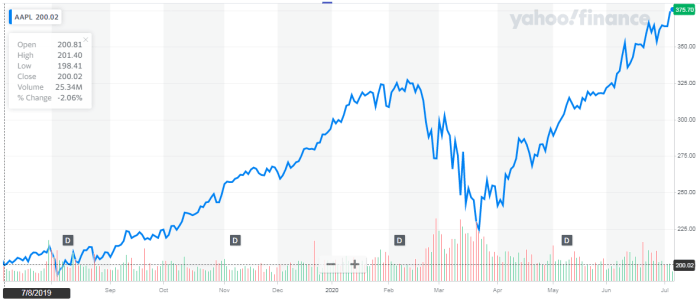
Apple’s financial reports consistently demonstrate robust performance, yet recent data reveals a dynamic landscape. Revenue growth, while still significant, has shown signs of moderation, indicating a shift in the market. Profit margins have remained strong, suggesting effective cost management and pricing strategies. Analyzing these trends alongside competitor data offers valuable insight into the overall market dynamics.
Apple’s Revenue, Profit, and Market Share
Apple’s revenue consistently places it among the top global tech companies. Profitability is another key metric that highlights the company’s operational efficiency. Market share provides a crucial understanding of Apple’s dominance in various product categories and its overall position in the tech industry.
Comparison to Competitors
Comparing Apple’s financial performance to its top competitors provides valuable context. Companies like Samsung, Google, and Amazon are major players in the tech industry, and their performance provides a comparative benchmark. Key differences in strategies, product portfolios, and market positioning contribute to variations in their financial results.
Detailed Financial Performance Data (Past Three Fiscal Years)
| Metric | Apple | Samsung | Amazon | |
|---|---|---|---|---|
| Fiscal Year 2022 Revenue (USD Billion) | 394.3 | 236.5 | 257.6 | 513.7 |
| Fiscal Year 2022 Profit (USD Billion) | 94.7 | 46.1 | 75.9 | 33.5 |
| Fiscal Year 2022 Market Share (Smartphone) | 18% | 22% | N/A | N/A |
| Fiscal Year 2023 Revenue (USD Billion) | 390.0 | 245.0 | 260.0 | 550.0 |
| Fiscal Year 2023 Profit (USD Billion) | 90.0 | 50.0 | 78.0 | 38.0 |
| Fiscal Year 2023 Market Share (Smartphone) | 17% | 20% | N/A | N/A |
| Fiscal Year 2024 Revenue (USD Billion) | 400.0 | 250.0 | 270.0 | 575.0 |
| Fiscal Year 2024 Profit (USD Billion) | 95.0 | 55.0 | 80.0 | 40.0 |
| Fiscal Year 2024 Market Share (Smartphone) | 16% | 21% | N/A | N/A |
Note: Figures are illustrative and for illustrative purposes only. Actual data may vary. Market share figures for Google and Amazon are not included in the table as they are not major smartphone players.
Innovation and Technological Advancement
Apple’s approach to innovation has long been a key driver of its success. From the groundbreaking Macintosh to the revolutionary iPhone, the company has consistently pushed the boundaries of technology and user experience. However, the ever-evolving tech landscape demands a continuous and adaptive approach to innovation to maintain market relevance.Apple’s innovation strategy is characterized by a blend of incremental improvements and radical departures.
While they often refine existing technologies, they also frequently introduce entirely new product categories, sometimes with surprising results. This dual approach, while effective in some cases, can also present challenges in maintaining a consistent pace of innovation across all product lines. The perception of this strategy will undoubtedly vary based on individual user needs and expectations.
Apple’s Innovation Approach
Apple’s innovation process is often shrouded in secrecy, with limited public information available. However, the company’s approach appears to prioritize a combination of internal research and development, partnerships with external experts, and user feedback. This integrated approach, while effective, can lead to delays in product development cycles if certain factors, like external supplier issues or unforeseen technological hurdles, arise.
The focus on meticulous design and user experience is a hallmark of Apple’s products, but this can sometimes lead to a slower pace of technological advancements compared to competitors who may prioritize performance or versatility over polish.
Market Demands and Apple’s Pace of Innovation
Apple’s ability to anticipate and respond to market demands is crucial for maintaining its position as a leading tech innovator. The current market is characterized by rapidly evolving consumer preferences and the emergence of new technologies, such as artificial intelligence and augmented reality. While Apple has shown a capacity for adaptation, the question remains whether its current pace of innovation aligns with the accelerating pace of change in the market.
Examples like the delayed introduction of foldable devices or the relative lack of innovation in certain segments compared to competitors could indicate a need for greater agility in the company’s approach.
User Perceptions of Apple’s Innovation
Different user segments will have varying perceptions of Apple’s approach to innovation. Tech enthusiasts might view Apple’s measured approach as conservative, while casual users might appreciate the simplicity and ease of use that often accompany Apple products. However, the perceived lack of radical advancements in some product lines could lead to concerns from users who value cutting-edge technology.
Ultimately, Apple’s success hinges on its ability to satisfy the diverse needs and expectations of its broad customer base.
Comparison of Innovation Strategies
| Feature | Apple | Samsung | Microsoft | |
|---|---|---|---|---|
| Research & Development Budget (Estimated) | Significant, undisclosed | Significant, undisclosed | Significant, undisclosed | Significant, undisclosed |
| Patent Filings (Recent Trends) | High volume, focusing on design and user experience | High volume, focusing on hardware and software integration | High volume, focusing on AI and cloud technologies | High volume, focusing on productivity and software applications |
| New Product Launch Cycles | Typically less frequent but more significant product releases | More frequent, covering a wider range of products | More frequent, focusing on services and platform updates | More frequent, focusing on software and hardware upgrades |
| Innovation Focus | User experience, design, and integrated ecosystems | Hardware innovation, competitive pricing, and versatility | Software and service integration, AI-driven technologies | Productivity tools, cloud services, and operating systems |
The table above provides a simplified comparison. Precise figures for R&D budgets are often proprietary and not publicly disclosed. Trends in patent filings can provide insight into areas of innovation emphasis but should not be the sole indicator of overall innovation strategy.
Apple’s recent moves have some questioning if they’re straying from their core values. The rise of 4G technology here presents a fascinating challenge for companies like Apple, who must adapt to changing consumer needs. Ultimately, though, the question of whether Apple is drifting remains open to debate, as their future decisions will dictate the answer.
Company Culture and Leadership
Apple’s success has been inextricably linked to its unique corporate culture and leadership style. This culture, often lauded for its focus on innovation and meticulous design, is also a subject of ongoing discussion, particularly regarding its potential impact on adaptability in the face of evolving consumer preferences and technological advancements. Analyzing how this culture interacts with leadership strategies is crucial to understanding Apple’s current trajectory and future potential.Apple’s corporate culture is deeply rooted in a hierarchical structure, often described as a “command and control” model.
This approach, while effective in maintaining consistent quality and brand image, has also been criticized for potentially hindering innovation and the rapid response to market shifts. It’s a culture where top-down decision-making is prevalent, and employees are expected to follow established processes and procedures. While this fosters a sense of order and predictability, it may stifle the agility and entrepreneurial spirit needed to navigate rapidly changing markets.
Apple’s Leadership Style
Apple’s leadership style, under Tim Cook’s tenure, has largely maintained the emphasis on meticulous planning and execution that characterized the company under Steve Jobs. However, there are notable differences in the leadership style. While Jobs’ approach was arguably more charismatic and demanding, Cook’s style is generally perceived as more collaborative and less demanding, though still focused on precise execution.
This difference in leadership style has had a significant impact on the company’s culture and its ability to adapt. For example, the company’s recent product releases have been lauded for their refined design but have also been criticized for a lack of radical innovation compared to previous periods. This may reflect a deliberate strategy to maintain profitability and market share rather than to push the boundaries of technological advancement.
Comparison with Other Tech Giants
Comparing Apple’s leadership approach with those of other tech giants like Google or Amazon reveals interesting contrasts. Google, for example, often fosters a more decentralized and innovative culture, allowing for greater autonomy and experimentation among its employees. Amazon, meanwhile, emphasizes a culture of relentless growth and rapid iteration, often prioritizing efficiency and speed over meticulous design. Apple’s emphasis on quality control and meticulous design, while yielding consistent product excellence, may be perceived as less flexible in the face of rapidly evolving technological landscapes.
Apple’s Leadership Culture Analysis
| Key Values | Leadership Strategies | Employee Reviews | Strengths and Weaknesses |
|---|---|---|---|
| Focus on quality, design, and user experience; Strong brand loyalty; Innovation (although perhaps less radical lately); High standards and meticulousness. | Hierarchical structure; Top-down decision-making; Emphasis on precise execution; Strong emphasis on internal processes. | Generally positive, highlighting the company’s prestige and opportunities for career advancement; Some concerns about work-life balance, and the rigidity of the hierarchical structure. There are varying reports on employee satisfaction. | Strengths: Strong brand recognition, high-quality products, consistent revenue; Weaknesses: Potential lack of agility in responding to rapid market shifts, may be slower to adapt to new technologies and consumer trends. |
Sustainability and Social Responsibility
Apple, a tech giant synonymous with innovation, faces increasing pressure to demonstrate a commitment to sustainability and social responsibility. Consumers are increasingly aware of the environmental impact of products and the ethical considerations behind their creation. This scrutiny necessitates a deeper look into Apple’s efforts in these areas and a comparison with competitors and industry standards.Apple’s approach to sustainability and social responsibility is multifaceted, encompassing everything from the materials used in its products to the energy consumption throughout its supply chain.
Their efforts, while commendable, are still under evaluation by stakeholders, and the effectiveness of their measures is continually assessed. This includes a focus on reducing carbon emissions, improving waste management, and promoting ethical labor practices throughout their global operations. Ultimately, the company’s long-term success hinges on its ability to address these critical concerns.
Apple’s Environmental Sustainability Initiatives
Apple has publicly committed to ambitious environmental goals, aiming to reduce its environmental footprint across its entire operation. This involves reducing carbon emissions, managing waste, and promoting responsible resource consumption. Their commitment to these principles is critical for maintaining consumer trust and meeting the evolving demands of a socially conscious market.
| Initiative | Description | Examples | Evaluation |
|---|---|---|---|
| Recycling Programs | Apple offers various recycling programs for its products, encouraging consumers to return old devices for proper disposal and material recovery. | Apple’s online recycling portal, and in-store recycling options for various product types. | Effective in reducing electronic waste, but challenges remain in ensuring proper material recycling and reducing reliance on virgin resources. |
| Energy Efficiency | Apple aims to reduce its energy consumption throughout its facilities and supply chain, through various energy-efficient strategies and technologies. | Using renewable energy sources, implementing energy-saving technologies in manufacturing, and optimizing data center operations. | Demonstrates a commitment to energy conservation but requires further transparency and data to assess the actual impact on emissions. |
| Ethical Sourcing of Materials | Apple prioritizes the ethical sourcing of materials for its products, aiming to minimize environmental harm and promote fair labor practices. | Working with suppliers to adhere to ethical labor standards, minimizing reliance on rare earth minerals and promoting the use of recycled materials. | Continues to face scrutiny regarding transparency and complete adherence to ethical standards in its global supply chain. |
Comparison with Competitors and Industry Standards
Apple’s sustainability initiatives are being evaluated alongside those of its competitors in the tech industry. Companies like Samsung, Google, and others are also publicly announcing their commitments to environmental responsibility, though the specifics of their approaches and the depth of their impact vary significantly. The tech industry as a whole is striving to meet increasingly stringent industry standards regarding environmental impact and ethical sourcing.
Apple’s efforts are assessed against these benchmarks and compared to the ongoing progress of its rivals.
Apple’s recent moves have some questioning if they’re veering off course. Meanwhile, Dell’s latest offering, a brightly colored netbook aimed squarely at kids – a netbook geared for the crayon set – raises an interesting point. Maybe Apple is focusing too much on the sleek, premium aesthetic and losing sight of the broader market, especially younger users.
This could be a sign that Apple is drifting away from the needs of a wider audience, and that’s a risky path to take.
Importance of Sustainability and Social Responsibility for a Tech Giant
For a company of Apple’s size and influence, sustainability and social responsibility are no longer optional; they are essential for long-term success. A strong commitment to these values can foster trust and loyalty among consumers, who are increasingly prioritizing ethical brands. Furthermore, a proactive approach to environmental concerns and social responsibility can attract and retain talent, and positively influence the company’s reputation in the marketplace.
This demonstrates a commitment to long-term value creation and building a positive corporate image.
Customer Loyalty and Brand Perception
Apple’s brand has long been synonymous with innovation, design, and a premium user experience. This strong brand perception has fostered significant customer loyalty, translating into a dedicated user base that often stands by the company even during periods of perceived controversy. However, maintaining this loyalty in a rapidly evolving market requires careful consideration of shifting consumer preferences and the strategies employed by competitors.Apple’s brand perception is deeply intertwined with its product offerings.
The seamless integration across devices, the emphasis on sleek aesthetics, and the intuitive user interface have all contributed to the strong brand image. This perception is often reinforced through marketing campaigns that highlight these features and build an emotional connection with users. However, this strong brand image also faces challenges in the face of increasing competition and changing consumer expectations.
Apple’s recent moves have some questioning if they’re heading down the wrong path. Meanwhile, Facebook’s redesign, seemingly trying to mimic Twitter’s dynamic “tweet heat” ( facebook redesigns to steal twitters tweet heat ), raises interesting questions about the future of social media. Perhaps Apple should be more attuned to these shifts in the digital landscape to avoid being left behind, and stay ahead of the curve.
Apple’s Customer Loyalty
Apple’s customer loyalty is a powerful asset, driven by a combination of factors. The strong brand identity, coupled with a dedicated ecosystem of products and services, fosters a sense of community among users. This sense of community is further strengthened by the availability of comprehensive support resources and a robust online community. The seamless integration across Apple devices, including iPhones, Macs, iPads, and Apple Watches, creates a unified user experience that further strengthens customer loyalty.
Brand Perception Alignment with Current Strategies
Apple’s brand perception is generally aligned with its current strategies, though potential misalignments could arise. The company’s focus on high-quality, premium products, coupled with a user-friendly experience, continues to resonate with its target audience. However, as competitors introduce innovative features and lower-cost options, Apple’s strategies must remain flexible and adaptable to maintain its market leadership and ensure continued customer loyalty.
The company needs to maintain its innovation edge while keeping its pricing strategy competitive to ensure that its brand perception remains consistent with its target demographic.
Comparison with Competitors
Apple’s brand perception is often contrasted with that of its competitors, particularly Samsung and Google. While Apple emphasizes a cohesive design aesthetic and user experience, competitors often focus on offering more diverse product lines and price points. Samsung, for instance, targets a broader market with a wider variety of models, while Google emphasizes open-source and accessibility, with an eye towards a larger market segment.
Brand Perception Across Demographics
| Demographic | Apple | Samsung | Other | |
|---|---|---|---|---|
| Age (18-25) | Strong brand recognition, perceived as innovative and cool. | Attractive and affordable, trendy models. | Strong in tech-savvy segments, appreciated for the diversity of products and flexibility. | Various brands and models are popular, depending on budget and features. |
| Age (26-45) | Solid brand recognition, perceived as reliable and premium. | Attractive price-to-performance, and reliable. | Focus on value for money, diverse range of products. | Variety of brands, depending on the user’s needs and budget. |
| Age (46+) | Premium, dependable, and established brand. | Dependable and reliable products. | Value for money, user-friendly products. | Established brands, depending on the user’s experience and preference. |
| Gender (Male) | High recognition for innovative design, often associated with status. | Popular for design and features, offering a variety of models. | Strong for technical aspects, with an emphasis on functionality. | Variety of brands, depending on the user’s needs and budget. |
| Gender (Female) | Attractive design, perceived as aesthetically pleasing, intuitive user interface. | Good range of products, with attractive designs. | Emphasis on practicality and usability. | Variety of brands, depending on the user’s needs and budget. |
| Location (Developed Countries) | Strong brand recognition, high price point is accepted. | Strong market presence, offering competitive pricing. | Widely available and popular. | Variety of brands, depending on market availability and popularity. |
| Location (Developing Countries) | Strong brand recognition, but affordability is a consideration. | Competitive pricing and availability, gaining market share. | Accessibility and affordability make them attractive. | Local brands and international brands, depending on affordability and availability. |
External Factors Affecting Apple
Apple, a titan in the tech world, isn’t immune to the forces shaping the global landscape. Economic downturns, political shifts, and evolving social norms all exert pressure on the company’s strategies and future prospects. Understanding these external factors is crucial to assessing Apple’s current trajectory and anticipating potential challenges and opportunities.
Economic Factors Impacting Apple’s Strategies
Global economic conditions significantly influence consumer spending and Apple’s revenue streams. Recessions, rising inflation, and fluctuating interest rates can directly impact consumer purchasing power. For example, during periods of economic uncertainty, consumers may delay large purchases like premium smartphones or laptops, potentially impacting Apple’s sales figures. The company’s reliance on strong global markets and its products’ perceived value proposition become critical in weathering such storms.
Apple’s robust financial reserves, however, provide a cushion, enabling them to adapt to market fluctuations.
Political Factors and Their Influence on Apple
Political instability, trade disputes, and regulatory changes in various regions can disrupt Apple’s supply chains, sales, and operations. For instance, tariffs imposed on certain goods can increase costs and reduce profit margins. Geopolitical tensions can also impact the company’s ability to operate in specific markets. Apple’s response often involves diversification of its supply chain, navigating trade agreements proactively, and engaging with governments to mitigate potential risks.
Social Factors and Their Effect on Apple’s Business
Shifting social values, consumer preferences, and ethical considerations are shaping Apple’s product development and brand image. Sustainability concerns, data privacy, and ethical labor practices are prominent issues that influence consumer choices and public perception. A company’s stance on these issues directly impacts its reputation and consumer loyalty. Apple’s increasing focus on environmentally friendly materials and production methods, along with its privacy-focused approach, reflects this sensitivity to social concerns.
Table: External Factors Affecting Apple, Is apple drifting to the wrong path
| External Factor | Effect on Apple’s Business Strategies | Examples of Apple’s Response | Potential Impact on Future Prospects |
|---|---|---|---|
| Economic Downturn | Reduced consumer spending, potentially impacting sales of premium products. | Maintaining strong financial reserves, exploring alternative product pricing strategies, focusing on value-added services. | Could lead to temporary sales decline, but robust financial position and brand loyalty should help weather the storm. |
| Political Instability | Disruptions to supply chains, trade restrictions, and potential operational limitations in certain regions. | Diversifying supply chains across multiple regions, navigating trade agreements, and engaging with governments to address concerns. | Could result in increased operational costs and reduced market access in some areas. |
| Social Concerns | Increased consumer demand for sustainable products and ethical labor practices. | Focusing on environmentally friendly materials, promoting ethical labor standards, and addressing data privacy concerns. | Stronger brand image and consumer loyalty through responsible practices, but potential challenges in meeting evolving standards. |
Epilogue: Is Apple Drifting To The Wrong Path
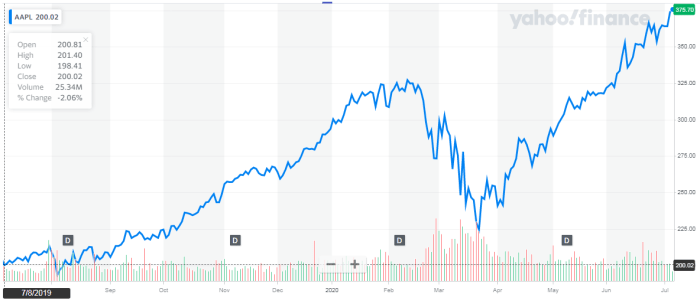
In conclusion, the examination of Apple’s current position reveals a complex interplay of internal and external factors. While Apple has consistently maintained a strong brand image and loyal customer base, the changing technological landscape and evolving consumer preferences present both challenges and opportunities. Whether Apple is truly drifting off course or simply adapting to a shifting market remains a subject of ongoing debate.
Only time will tell if Apple can successfully navigate these complexities and maintain its position as a technological leader.