E Readers Vs Tablets The Cage Match Continues
eReaders vs. Tablets: The Cage Match Continues
The digital reading landscape is a battleground, and at its heart lies the perennial conflict between eReaders and tablets. While tablets have broadened their capabilities exponentially, and eReaders have evolved beyond their single-purpose origins, the fundamental question remains: which device is superior for consuming written content? This isn’t a simple matter of preference; it’s a nuanced comparison of hardware, software, intended use, and ultimately, user experience. The technological advancements on both sides have blurred some lines, making this cage match more compelling and complex than ever. Tablets now offer excellent reading modes and battery life, while eReaders can handle more than just static text. However, the core design philosophies and the resulting strengths and weaknesses persist, dictating their optimal roles.
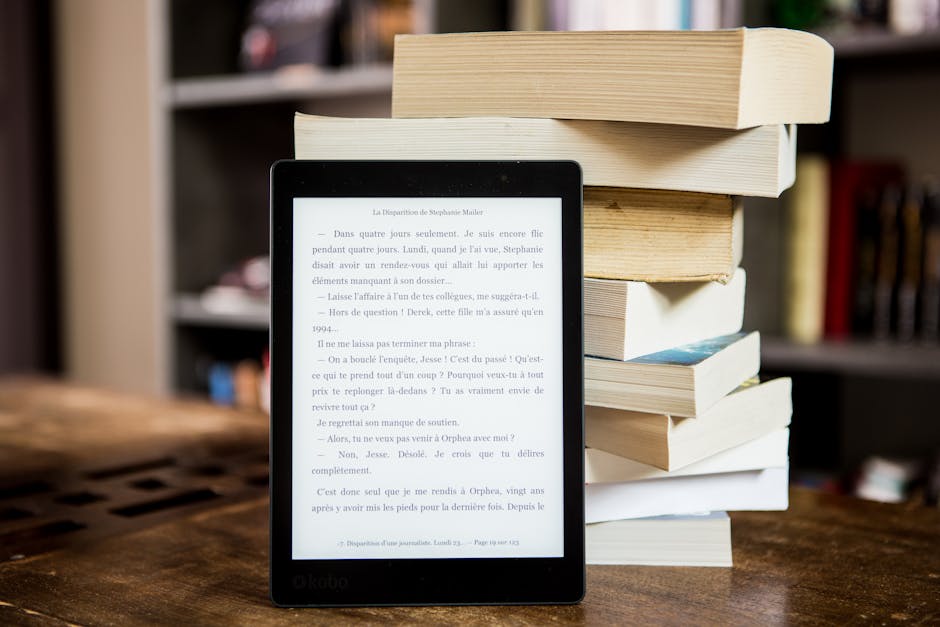
EInk technology, the undisputed champion of dedicated eReaders, is the primary differentiator. Its paper-like display mimics the look of printed pages, offering unparalleled readability in direct sunlight and significantly reducing eye strain compared to backlit LCD or OLED screens. This is not a minor feature; for individuals who spend hours immersed in text, be it novels, academic papers, or long-form articles, the ergonomic benefits of eInk are profound. The absence of a backlight means no blue light emission, a significant factor for those concerned about sleep disruption or visual fatigue. Furthermore, eInk screens refresh slower, which is inconsequential for page-turning but dramatically conserves power. This power efficiency is a cornerstone of the eReader’s appeal, often translating to weeks of battery life on a single charge, a stark contrast to the daily or bi-daily charging often required by tablets. This longevity makes eReaders ideal for travel, extended reading sessions without access to power outlets, and for users who simply want a device that is always ready to go. The visual fidelity of eInk, particularly with newer color eInk displays, while not yet matching the vibrancy of tablets, is steadily improving, offering a compromise for those who desire a more engaging visual experience without sacrificing the core benefits of eInk.
Tablets, on the other hand, are multifaceted powerhouses. Their primary advantage lies in their versatility. A tablet is a mobile computer, capable of browsing the internet, running a vast array of applications, streaming video, playing games, managing email, and, yes, reading books. This jack-of-all-trades nature makes them an attractive single-device solution for many. The high-resolution, vibrant, and often backlit displays of tablets offer a rich multimedia experience. Color saturation, contrast ratios, and refresh rates are all superior, making them ideal for consuming content with rich visuals, such as magazines, graphic novels, and websites. For these formats, the limitations of monochrome eInk become glaringly apparent. The ability to zoom in on images, interact with embedded media, and switch seamlessly between different applications provides a fluid and dynamic user experience. Furthermore, the app ecosystem for tablets, particularly on platforms like iOS and Android, is immense. This grants users access to a plethora of reading applications that offer advanced features like note-taking integration, dictionary lookups, translation services, and social sharing capabilities, often far beyond what is typically available on dedicated eReaders. The processing power of modern tablets also allows for quicker loading times, smoother navigation, and the ability to handle larger, more complex digital files with ease.
When it comes to the reading experience itself, the distinction becomes sharper. EReaders are purpose-built for text. Their interfaces are typically minimalist, designed to minimize distractions and focus the user solely on the content. The tactile feel of turning a page, often simulated by physical buttons or responsive touch zones, contributes to a more deliberate and immersive reading experience for many. The ability to adjust font size, style, and line spacing with granular control, coupled with the glare-free nature of eInk, makes extended reading sessions comfortable and strain-free. The sheer quantity of books an eReader can store is also a significant advantage, allowing users to carry an entire library in a lightweight, portable device. For academic users, the annotation capabilities on eReaders, while sometimes less sophisticated than on tablets, are tailored for literary engagement, allowing for highlighted passages and note-taking directly within the text. The focused nature of the eReader environment fosters deep reading, minimizing the temptation to multitask and promoting a more profound engagement with the material.
Tablets, while capable of displaying text, often present a more distracting environment. The presence of notifications, the ease of switching to other apps, and the general allure of the tablet’s broader functionality can pull a reader away from their book. While many tablets offer "reading modes" that desaturate colors, reduce blue light, and simplify the interface, they are typically software-based workarounds rather than inherent hardware advantages. The backlit nature of tablet screens, even with reduced brightness, can still contribute to eye strain over prolonged periods, especially in low-light conditions. However, for specific types of reading, such as interactive textbooks, graphic novels with complex layouts, or research papers that require cross-referencing multiple sources simultaneously, the tablet’s versatility and superior display capabilities shine. The ability to have several documents open side-by-side, to quickly search for information online, or to watch an accompanying video lecture while reading are functionalities that eReaders simply cannot replicate.
The ecosystem and content availability also play a crucial role. Amazon’s Kindle ecosystem, with its vast selection of e-books and proprietary format (AZW), has long been dominant in the eReader market. However, the increasing support for ePub by many eReaders, and the prevalence of open standards, has broadened the content options. Libraries are increasingly offering e-books, and many platforms allow users to sideload their own documents. Tablets, with their open operating systems, offer access to a wider range of digital content providers and formats. The Google Play Store, Apple’s App Store, and other third-party app stores provide access to reading applications that cater to diverse needs, from academic journals to niche publications. The ability to purchase and consume content across multiple platforms without being tied to a single device or proprietary format is a significant draw for many tablet users. Furthermore, the integration with cloud storage services on tablets makes managing and accessing a large digital library seamless and convenient.
The cost factor is another important consideration. Dedicated eReaders, particularly those from brands like Amazon, Kobo, and Onyx Boox, often offer a more budget-friendly entry point for a device primarily intended for reading. Their simpler hardware and focused functionality translate to lower manufacturing costs. While premium eReaders with color displays and advanced features can approach the price of mid-range tablets, the baseline eReader experience remains more affordable. Tablets, by their very nature as general-purpose computing devices, typically command a higher price tag. Even entry-level tablets are often more expensive than their eReader counterparts. This cost difference can be a deciding factor for consumers whose primary need is a device for reading and who may not require the extensive functionality of a tablet. However, for those who see a tablet as a single device that can replace multiple gadgets, the cost can be justified by its versatility.
In conclusion, the eReader vs. tablet debate is not about declaring a definitive winner, but rather about understanding the strengths and weaknesses of each and aligning them with individual needs and priorities. For the dedicated bookworm, the student who devours academic texts, or the traveler who wants a lightweight device with unparalleled battery life for long journeys, a dedicated eReader remains the superior choice. Its specialized technology, focus on comfort, and long-lasting power offer an unmatched reading experience. Conversely, for the user who desires a single, versatile device for a multitude of tasks, including reading, browsing, entertainment, and productivity, a tablet is the clear victor. Its rich display, powerful performance, and expansive app ecosystem make it a formidable all-rounder. The ongoing technological advancements on both fronts, such as the emergence of color eInk and the continued refinement of tablet reading modes, only serve to make this cage match more intriguing and the choices more diverse for the discerning digital consumer. The "winner" ultimately depends on the individual’s definition of reading and their broader digital lifestyle.