Intel Hp And Dreamworks Training Dragons
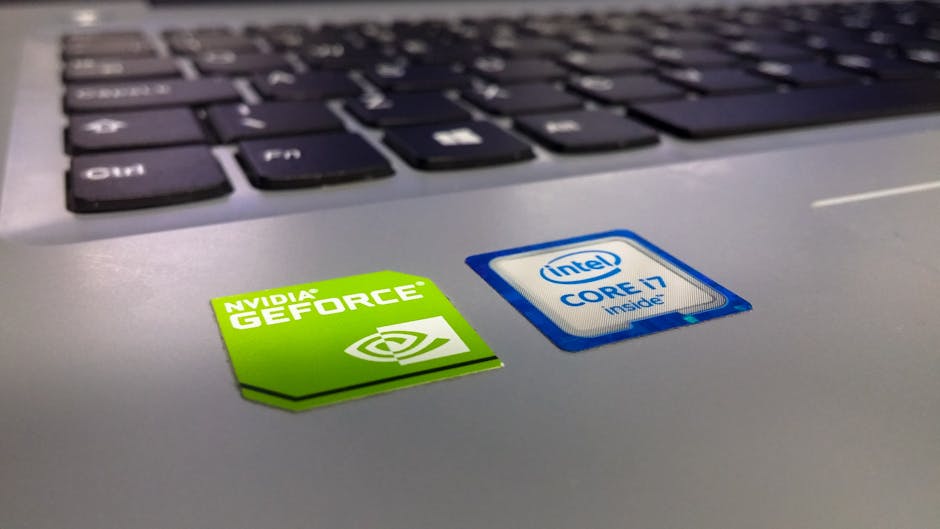
Intel, HP, and DreamWorks: Revolutionizing Dragon Training Through Cutting-Edge Technology
The iconic world of Berk, as brought to life by DreamWorks Animation in the How to Train Your Dragon franchise, is not just a testament to compelling storytelling and breathtaking animation; it’s also a silent showcase of how advanced technology can fundamentally transform even the most fantastical pursuits. While Hiccup and Toothless’s extraordinary bond is the heart of the narrative, the seamless execution of their aerial acrobatics, the intricate details of dragon anatomy, and the sprawling landscapes of their world owe a significant debt to the powerful computing solutions provided by Intel and HP. This article delves into the synergistic relationship between these technology giants and the animation powerhouse, exploring how Intel’s processing prowess and HP’s robust hardware platforms have become indispensable tools in DreamWorks’ groundbreaking approach to bringing dragons and their training to life.
At its core, the creation of a film like How to Train Your Dragon involves an immense computational burden. Every frame, every character movement, every environmental texture – all of it requires rendering, a process that transforms complex 3D models and scenes into the 2D images we see on screen. This is where Intel’s high-performance processors, such as their Xeon scalable processors, come into play. These processors are the workhorses of the animation pipeline, capable of handling the trillions of calculations necessary for rendering incredibly detailed and realistic visuals. For DreamWorks, this translates into the ability to create fluid animations for dragons in flight, capture the subtle nuances of their scales and muscle movements, and populate their world with rich, believable environments. The sheer speed and efficiency of Intel’s CPUs allow animators to iterate rapidly, experiment with different lighting scenarios, and refine character performances with a speed that would be impossible with less powerful hardware. Without this foundational processing power, the sheer ambition of DreamWorks’ animated epics would remain just that – ambitions.
HP’s contribution to this technological ecosystem is equally vital, providing the physical infrastructure that houses and supports these powerful Intel processors. DreamWorks relies heavily on HP’s professional workstations and servers, often configured with multiple Intel Xeon processors, vast amounts of RAM, and high-speed storage solutions. These workstations are the digital canvases and control centers for animators, modelers, riggers, and VFX artists. Imagine an animator meticulously sculpting the wing of a Night Fury or a modeler crafting the intricate patterns on a Stormcutter’s hide. These tasks demand immediate responsiveness from their hardware. HP’s workstations, known for their reliability and performance under sustained heavy loads, ensure that these artists can work without frustrating lag or crashes, maintaining the creative flow that is so crucial to the artistic process. The stability of HP hardware is paramount in a production environment where deadlines are tight and every minute of downtime translates into significant financial losses and schedule delays.
The integration of Intel and HP technologies extends beyond raw rendering power. The complex simulations required to bring dragons to life – from the physics of their flight and the impact of their fiery breath to the way their scales shimmer in the sunlight – all rely on sophisticated software that, in turn, demands significant computational resources. Intel’s processors excel at handling these parallel processing tasks, allowing DreamWorks’ technical directors to simulate the intricate behaviors of their dragon characters with a high degree of accuracy and realism. This is where the "training" aspect truly comes into play visually. The dynamic interaction between dragon and rider, the subtle shifts in a dragon’s posture that convey emotion, the way their bodies react to wind resistance – these are not just animated; they are simulated. HP’s hardware provides the stable and powerful platform for these complex simulations to run efficiently, enabling animators to fine-tune these interactions and create performances that feel organic and believable.
The concept of "dragon training" in the films often involves a deep understanding of dragon biology, behavior, and even their unique physiologies. While the dragons are fantastical, the animators strive for a degree of believability in their movements and reactions. This requires meticulous attention to detail, from the skeletal structure and musculature of each dragon species to the mechanics of their wings and the way they interact with their environment. Intel’s processing power enables DreamWorks to create highly detailed 3D models and then simulate their deformation and movement, effectively allowing them to "understand" how a dragon would move under various conditions. HP’s workstations then provide the interface for animators to sculpt, paint, and animate these incredibly complex digital assets, making the nuanced training sequences, where Hiccup learns the specific cues and triggers for each dragon, visually compelling and emotionally resonant. The ability to rapidly render and review these detailed models and animations on powerful HP machines, powered by Intel, allows for constant refinement and a higher degree of fidelity.
Furthermore, the development of new animation techniques and workflows often pushes the boundaries of existing technology. DreamWorks, in its pursuit of ever-greater realism and artistic expression, frequently collaborates with its technology partners. This partnership isn’t just about acquiring hardware; it’s about co-development and pushing innovation. For instance, the development of more efficient rendering algorithms or the implementation of advanced ray-tracing techniques often benefits from the latest advancements in Intel’s CPU and GPU architectures. Similarly, HP works closely with DreamWorks to understand their evolving hardware needs, ensuring that their workstations and servers are optimized for the specific demands of modern animation production. This collaborative approach ensures that DreamWorks remains at the forefront of visual effects technology, allowing them to continue to create visually stunning and technically impressive films that redefine what’s possible in animation.
The advent of real-time rendering, while still a developing area for full-length feature films, is also influenced by the advancements in Intel and HP technology. While How to Train Your Dragon films are not rendered in real-time, the tools and technologies that enable faster previewing and iteration are directly benefiting from the raw power of Intel processors and the high-bandwidth I/O capabilities of HP systems. This allows animators to see their work much closer to final quality much earlier in the production pipeline, drastically improving efficiency and enabling more creative exploration. This is a critical aspect of "training" the visuals – being able to see and react to the evolving dragon performances with speed and accuracy.
The scale of a DreamWorks production is staggering. Thousands of artists, working on millions of polygons, generating terabytes of data. This requires a robust and scalable infrastructure. HP’s enterprise-level server solutions, often incorporating Intel’s latest server-grade processors, provide the backbone for DreamWorks’ rendering farms and data management systems. These farms are essentially massive clusters of computers working in parallel to churn out the final rendered frames. The reliability, scalability, and high-density compute power of HP servers, powered by Intel, are essential for meeting the tight deadlines of feature film production. The ability to quickly scale up rendering capacity when needed, or to ensure that complex data is stored and accessed efficiently, is directly facilitated by this powerful combination.
Beyond the technical aspects, the collaborative nature of animation production is also facilitated by reliable hardware. Artists need to share massive files, access centralized asset libraries, and communicate effectively. HP’s networking solutions and robust storage systems, coupled with the processing power to handle complex file operations, ensure that DreamWorks’ geographically dispersed teams can work together seamlessly. This interconnectedness, powered by dependable technology, is crucial for the smooth "training" of the entire production pipeline, from initial storyboards to final color grading.
In essence, the magic of Hiccup and Toothless’s aerial adventures, the vibrant world of Berk, and the incredible diversity of dragon species are not just products of artistic vision; they are the result of a sophisticated technological symphony conducted by Intel and HP. The relentless innovation in Intel’s processor technology provides the raw computational horsepower, enabling the creation of incredibly detailed and dynamic visuals. HP’s robust and reliable hardware platforms, from individual workstations to massive server farms, provide the essential infrastructure and tools that bring these visions to life. Together, they empower DreamWorks Animation to push the boundaries of what’s possible in animation, allowing them to not only tell compelling stories but to literally "train" their dragons into existence with an unparalleled level of realism and artistry. The success of How to Train Your Dragon is a testament to the power of human creativity amplified by the cutting-edge solutions provided by Intel and HP, a partnership that continues to shape the future of animated storytelling.