


The Symbiotic Evolution of Robotics and AI: Defining the Next Frontier
The convergence of robotics and artificial intelligence (AI) represents a paradigm shift, fundamentally redefining the capabilities and applications of autonomous systems. This fusion is not merely an additive process; it is a symbiotic evolution where advancements in one field directly fuel progress in the other, creating a feedback loop of innovation. Robotics, traditionally focused on the physical manipulation of objects and environments, is imbued with unprecedented intelligence and adaptability through AI. Conversely, AI, often confined to the digital realm, finds tangible expression and real-world impact through robotic platforms. This dynamic relationship is driving the development of increasingly sophisticated machines capable of performing complex tasks, learning from experience, and interacting with humans and their surroundings in more nuanced and effective ways.
At its core, the integration of AI into robotics addresses the limitations inherent in pre-programmed, deterministic systems. Traditional industrial robots excel at repetitive, highly precise tasks in structured environments. However, they struggle with variability, ambiguity, and unforeseen circumstances. AI, particularly machine learning (ML) algorithms, provides the cognitive abilities necessary to overcome these challenges. Through various ML techniques, robots can learn to perceive their environment more effectively, recognize objects and patterns, make decisions in uncertain conditions, and adapt their actions based on feedback. This learning capability is crucial for unlocking the potential of robots in dynamic and unpredictable settings, such as healthcare, logistics, agriculture, and even disaster response.
A primary driver of this evolution is the advancement in AI subfields like computer vision and natural language processing (NLP). Computer vision allows robots to “see” and interpret their surroundings, enabling tasks like object detection, recognition, and tracking. This is essential for autonomous navigation, manipulation of objects with varying shapes and sizes, and even for robots to understand human gestures. For instance, a robotic arm in a warehouse can use computer vision to identify and pick up irregularly shaped packages, something a traditional robot would find difficult without extensive pre-programming for every possible variation. Similarly, NLP empowers robots to understand and respond to human commands and questions in a more natural and intuitive way. This opens doors for more seamless human-robot collaboration, where humans can direct robots using spoken language rather than complex programming interfaces. Imagine a surgical robot receiving instructions from a surgeon mid-operation through voice commands, or a domestic robot understanding a request to fetch a specific item from another room.
The role of machine learning, especially deep learning, in this integration cannot be overstated. Deep learning models, trained on vast datasets, can learn intricate representations of data, enabling robots to perform tasks that were previously considered exclusively within the human domain. Reinforcement learning (RL), a subset of ML, is particularly impactful. In RL, an AI agent (the robot’s control system) learns to perform a task by trial and error, receiving rewards or penalties based on its actions. This allows robots to learn optimal strategies for complex tasks without explicit programming. For example, a robot learning to walk on uneven terrain can use RL to discover the most stable gait by experimenting with different leg movements and receiving feedback on its balance. This self-learning capability significantly reduces development time and allows robots to adapt to new environments and tasks more rapidly.
The hardware advancements in robotics are also critical enablers of AI integration. The miniaturization and increased processing power of sensors, actuators, and embedded computing systems are allowing for the development of more agile, dexterous, and perception-rich robots. Sophisticated sensors like LiDAR, depth cameras, and tactile sensors provide robots with a richer understanding of their physical environment, which is then processed by AI algorithms. Conversely, the development of AI algorithms is driving demand for more advanced robotic hardware capable of executing the complex behaviors learned by the AI. This creates a virtuous cycle where progress in one area spurs innovation in the other. For instance, the development of more efficient AI algorithms for path planning is enabling the creation of smaller, more maneuverable drones capable of navigating cluttered urban environments.
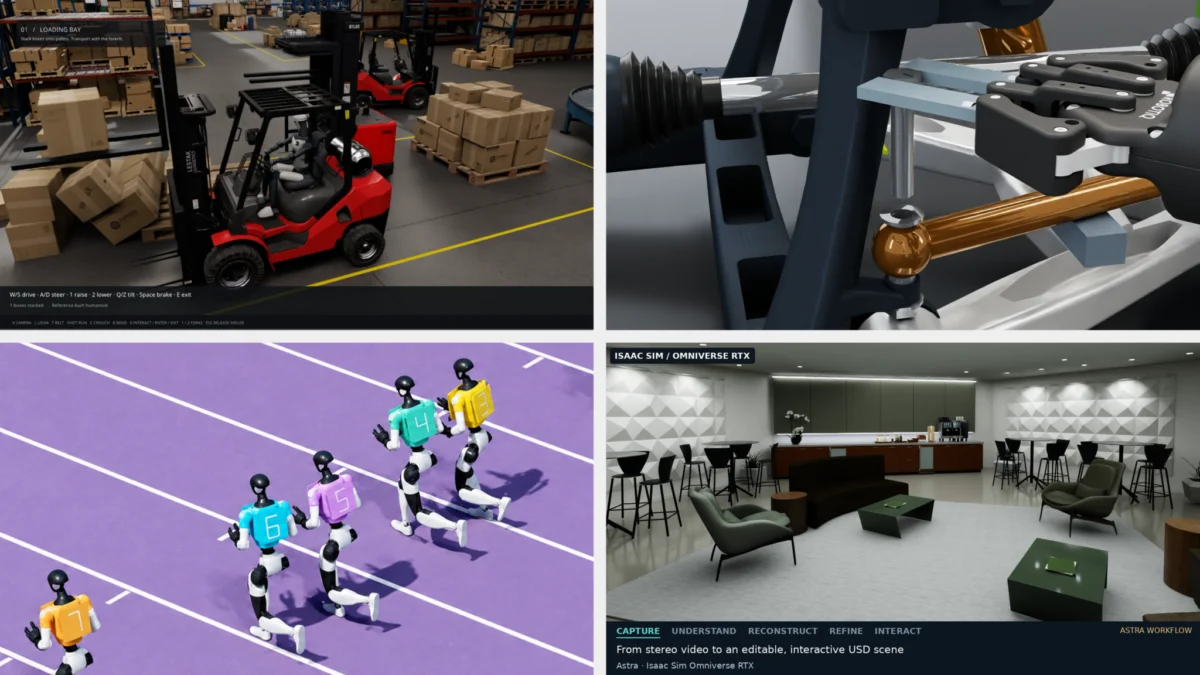
The applications of this robotics-AI synergy are rapidly expanding across numerous sectors. In manufacturing, AI-powered robots are moving beyond repetitive assembly lines to perform quality inspection, complex assembly tasks, and collaborative operations with human workers (cobots). These cobots, equipped with safety sensors and AI for intention recognition, can work alongside humans, enhancing productivity and safety. In logistics and warehousing, autonomous mobile robots (AMRs) powered by AI are revolutionizing inventory management, order fulfillment, and last-mile delivery. They can navigate complex warehouse layouts, optimize routes, and adapt to changing workflows.
The healthcare sector is another area where robotics and AI are poised to make a profound impact. Surgical robots, enhanced by AI for precision, tremor reduction, and even predictive analytics, are enabling minimally invasive procedures with faster recovery times. AI-powered robotic assistants can help with patient care, medication delivery, and rehabilitation, freeing up human medical professionals for more complex and empathetic tasks. In elder care, companion robots equipped with AI can provide social interaction, monitor well-being, and assist with daily living activities, addressing the growing needs of an aging population.
Agriculture is also benefiting significantly. AI-driven robots can perform precise tasks like weed detection and removal, targeted pesticide application, and automated harvesting, optimizing resource usage and increasing crop yields. Autonomous tractors equipped with AI can plow fields with unparalleled accuracy, reducing fuel consumption and soil compaction.
The development of autonomous vehicles is perhaps one of the most visible manifestations of robotics and AI integration. These vehicles rely heavily on a complex interplay of sensors, AI algorithms for perception, prediction, and decision-making, and robotic control systems to navigate roads, avoid obstacles, and adhere to traffic laws. The ongoing research and development in this area are pushing the boundaries of what is possible in terms of real-time data processing, complex scenario handling, and robust AI decision-making.
The ethical considerations and challenges associated with the increasing autonomy of robots are paramount. As robots become more intelligent and capable of interacting with the physical world in complex ways, questions arise regarding accountability, safety, job displacement, and bias in AI algorithms. Ensuring that AI systems are fair, transparent, and aligned with human values is a critical area of research and development. The design of ethical AI frameworks and robust safety protocols for autonomous systems is essential for their widespread and beneficial adoption.
The future of robotics and AI is one of increasing sophistication and integration. We are moving towards a future where robots are not just tools but intelligent partners, capable of understanding context, learning from their environment, and collaborating with humans in more meaningful ways. This will likely involve advancements in areas such as:
- Human-Robot Interaction (HRI): Developing more intuitive and natural ways for humans to communicate and collaborate with robots, including improved gesture recognition, emotional understanding, and personalized interaction styles.
- Swarm Robotics: The coordinated behavior of large numbers of relatively simple robots, each with limited individual capabilities, to achieve a collective goal. This is particularly relevant for applications like environmental monitoring, search and rescue, and large-scale construction.
- Explainable AI (XAI) in Robotics: Making the decision-making processes of AI-powered robots transparent and understandable to humans. This is crucial for building trust and for debugging complex systems.
- Embodied AI: Developing AI that is integrated with a physical body, allowing it to learn and interact with the world through physical experience. This contrasts with purely virtual AI systems.
- Robots as Service Providers: Beyond industrial applications, robots are increasingly being envisioned as service providers in homes, hospitals, and public spaces, requiring advanced social intelligence and adaptability.
- Edge AI in Robotics: Processing AI algorithms directly on the robot (at the edge) rather than relying on cloud computing. This reduces latency, improves privacy, and enables real-time decision-making in remote or bandwidth-constrained environments.
The challenges ahead include not only technological hurdles but also societal and regulatory ones. The widespread adoption of advanced robotics and AI will necessitate workforce retraining, the development of new legal frameworks, and ongoing public discourse about the role of these technologies in our lives. The continued research and development in robotics and AI are fundamentally shaping the future of automation, intelligence, and our interaction with the physical world, promising a new era of innovation and societal transformation.








No comments yet. Be the first to join the conversation!