

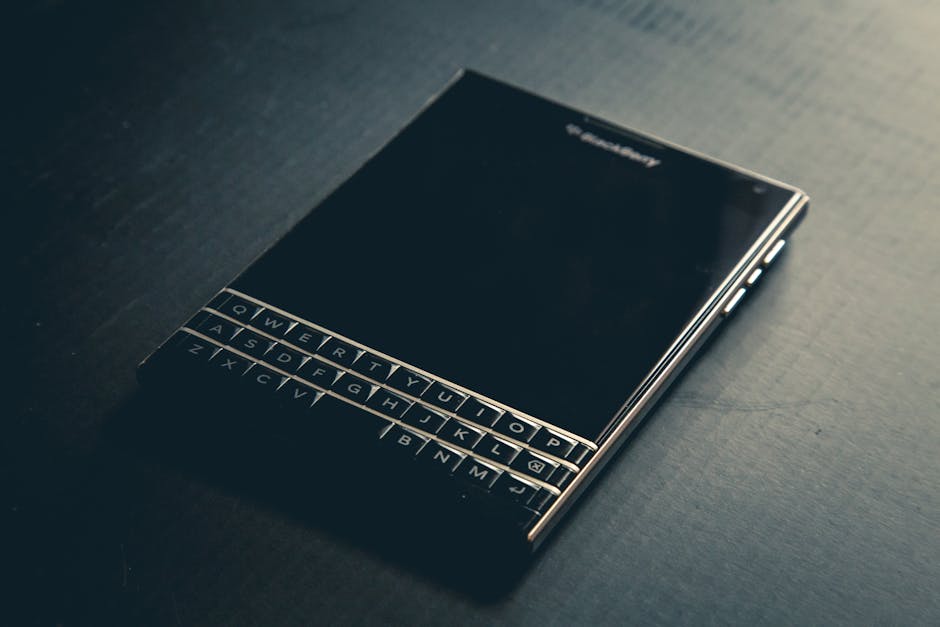
Barack Obama’s BlackBerry: A Digital Revolution in the White House
Barack Obama’s relationship with his BlackBerry was a defining characteristic of his presidency, marking a significant shift in how a sitting U.S. President could interact with technology and the world. This was not simply a matter of a President liking a particular gadget; it was a symbolic and practical embrace of digital communication that had far-reaching implications for national security, public engagement, and the very perception of presidential accessibility. From its inception, the decision to allow Obama to keep his BlackBerry in the White House was fraught with security concerns, a testament to the evolving landscape of presidential communication and the inherent risks associated with modern technology. The Secret Service, tasked with protecting the President, understandably viewed the device with extreme caution. A smartphone, even a highly encrypted one, represented a potential vulnerability, a gateway for adversaries to exploit.
The initial struggle to secure a presidential-approved BlackBerry was a complex dance between Obama’s desire for constant connectivity and the stringent security protocols demanded by his office. Unlike the average citizen, a President’s communications are privy to the highest levels of national security intelligence. Any interception could have catastrophic consequences. Therefore, the process involved extensive consultation with security experts, the development of bespoke security measures, and a rigorous vetting process for the device itself. This wasn’t a simple case of handing over an off-the-shelf model; it required a specialized, hardened version of the BlackBerry, designed to withstand sophisticated cyberattacks. The limitations placed on the device were significant, reflecting the paramount importance of security. While Obama was granted a highly customized and secured BlackBerry, it was not the same device he had used during his campaigns. Certain applications were disabled, and its functionality was restricted to prevent potential breaches. This selective approach underscored the delicate balance between presidential efficiency and national security.
The BlackBerry became more than just a communication tool; it became a symbol of Obama’s forward-thinking approach to governance and his willingness to leverage technology for greater reach and engagement. In an era where digital platforms were rapidly transforming public discourse, the President’s ability to communicate directly, even if through a limited channel, held immense power. This personal device facilitated a new level of real-time connection, albeit within carefully defined parameters. The constant hum of notifications, the discreet glances at the screen during meetings, and the carefully curated tweets that emanated from his office all painted a picture of a presidency that was digitally adept and responsive. This technological adoption by the President implicitly signaled to the nation and the world that embracing innovation was not only acceptable but necessary for effective leadership in the 21st century.
The security measures implemented for Obama’s BlackBerry were groundbreaking and set precedents for future administrations. The device was a heavily modified and encrypted version of a standard BlackBerry. It underwent rigorous testing and was subject to constant monitoring. The National Security Agency (NSA) played a pivotal role in this process, ensuring that the device met the highest standards of security. Specialized software was installed to protect against hacking and eavesdropping, and physical security measures were also put in place to prevent unauthorized access to the device itself. The goal was to create a communication channel that was as secure as possible while still allowing the President a degree of personal and professional connectivity that was deemed essential for his role. This involved a constant arms race against potential threats, a reality that continued throughout his two terms.
The functionalities of Obama’s presidential BlackBerry were intentionally limited compared to a civilian model. While he could send and receive emails and text messages, making phone calls was generally restricted. The device was primarily used for secure communication with his staff and a select group of individuals. Social media, a tool he would later master with the help of his digital team, was not directly managed from this device in its early stages, reflecting the evolving understanding of how a President could engage through these platforms. The emphasis was on secure, direct communication channels, minimizing any potential for broader exposure or exploitation. This was a far cry from the uninhibited use of smartphones by most individuals, highlighting the unique constraints and responsibilities of the presidency.
The implications of Obama’s BlackBerry extended beyond mere personal convenience; they had a tangible impact on the operational dynamics of the White House. The ability to communicate quickly and efficiently with key advisors, even when away from his desk, likely facilitated faster decision-making and a more agile response to developing situations. This was particularly crucial in foreign policy and national security matters, where time is often of the essence. The device served as a vital link in the chain of command, ensuring that the President remained informed and could issue directives with a degree of immediacy that was previously unprecedented for a head of state operating under such stringent security protocols. This enhanced connectivity, even within its secure confines, contributed to a more streamlined and responsive executive branch.
The media’s fascination with Obama’s BlackBerry was undeniable. It became a visual shorthand for his presidency, a constant point of discussion and analysis. The image of the President discreetly checking his device became ingrained in the public consciousness, fueling debates about presidential accessibility and the role of technology in modern leadership. This media attention, while sometimes trivial, also served to highlight the evolving nature of presidential communication and the public’s growing awareness of the digital world. The BlackBerry, in essence, became a lens through which the public viewed Obama’s engagement with the modern era.
The security concerns surrounding the BlackBerry were not a one-time hurdle but an ongoing challenge. As technology evolved, so too did the threats. The Obama administration continuously worked with security agencies to update and enhance the security protocols associated with the device. This included regular software updates, hardware modifications, and ongoing threat assessments. The constant vigilance required to maintain the security of such a critical communication tool was a testament to the commitment of the administration to safeguarding national security in the digital age. This adaptive approach was crucial in staying ahead of potential adversaries.
The legacy of Obama’s BlackBerry is one of technological integration and evolving security paradigms. It demonstrated that a President could remain connected and accessible in the modern digital landscape without compromising national security, albeit with significant safeguards and limitations. This paved the way for subsequent administrations to further explore and implement secure digital communication strategies. The initial skepticism and challenges associated with allowing a President to possess a personal, connected device were overcome, setting a precedent for the future of presidential technology. The experience underscored the need for a proactive and adaptive approach to cybersecurity, recognizing that technological advancements are a double-edged sword, offering both immense opportunities and significant risks. The evolution of communication tools within the highest office of the land continues, a direct consequence of the foundational steps taken during the Obama presidency with his now-iconic BlackBerry.












No comments yet. Be the first to join the conversation!