

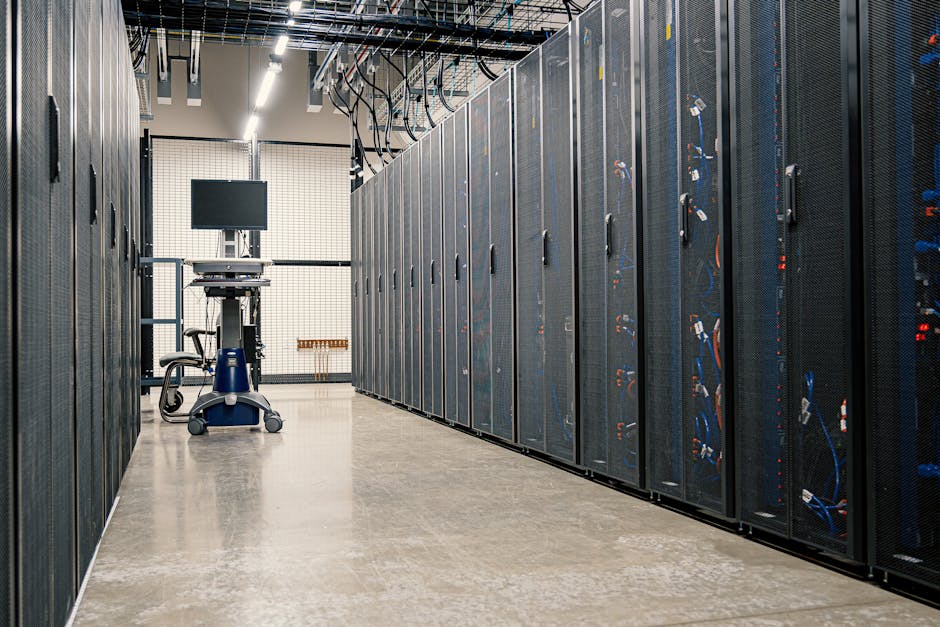
Facebook Opens Door to New Data Center, Invites the World In
Facebook’s latest infrastructural development, a sprawling new data center, marks a significant expansion of its global digital footprint and a strategic pivot towards increased transparency and community engagement. This behemoth facility, the specifics of which are still being unveiled, represents not merely an upgrade in processing power and storage capacity, but a deliberate invitation to a broader audience, fostering a new era of understanding and interaction with the complex machinery that powers the social media giant. The implications for data management, computational infrastructure, and even public perception are profound, suggesting a future where the inner workings of massive tech operations are less opaque and more accessible.
The construction and operation of such an advanced data center are not undertaken lightly. They involve immense capital investment, meticulous planning, and a deep understanding of energy efficiency, cooling technologies, and network architecture. Facebook’s commitment to these principles is evident in its track record of designing and deploying some of the most efficient data centers globally. This new facility is expected to build upon those successes, incorporating cutting-edge innovations to minimize its environmental impact. This includes strategies like renewable energy sourcing, advanced cooling systems that leverage ambient temperatures where possible, and the optimization of server utilization to reduce energy waste. The sheer scale of operations means that even marginal improvements in efficiency translate into substantial reductions in energy consumption and carbon emissions, aligning with both corporate sustainability goals and growing public concern about the environmental footprint of technology.
Beyond the physical infrastructure, the "invites the world in" aspect of this announcement signals a deliberate effort to demystify the data center’s role. Historically, data centers have been seen as secretive, almost impenetrable fortresses of servers. Facebook’s approach, however, suggests a departure from this norm. This could manifest in various ways, from increased public tours and educational programs to the release of more detailed information about operational methodologies and technological choices. The aim is likely to build trust and foster a greater understanding among users, policymakers, and the general public about how their data is stored, processed, and secured. By opening these doors, even metaphorically, Facebook seeks to address common misconceptions and anxieties surrounding data privacy and the management of vast digital information.
The technological advancements within this new facility are likely to be staggering. We can anticipate state-of-the-art server hardware, optimized for high-performance computing and massive data ingestion. Network infrastructure will be equally impressive, designed for ultra-low latency and immense bandwidth to handle the ever-increasing volume of user interactions, content sharing, and algorithmic processing that defines the Facebook ecosystem. Artificial intelligence and machine learning infrastructure will undoubtedly be a cornerstone, powering everything from content recommendation engines and spam detection to advanced security features and the development of new user experiences. The design will also prioritize modularity and scalability, ensuring the data center can adapt to future technological shifts and user demands without requiring complete overhauls.
One of the key drivers behind the expansion of data center capacity is the exponential growth of data. Every like, share, comment, photo upload, and video view contributes to this ever-expanding universe of information. As Facebook continues to innovate with new features, acquire new platforms (like Instagram and WhatsApp), and expand its reach into areas like virtual and augmented reality, the demand for robust and scalable data storage and processing capabilities only intensifies. This new data center is a direct response to that demand, ensuring that the platform can continue to deliver a seamless and responsive experience to its billions of users worldwide. The ability to process and analyze this data in near real-time is critical for maintaining user engagement and for driving the personalized experiences that users have come to expect.
Security and resilience are paramount considerations in any data center design, and this new facility will be no exception. Facebook will likely employ multiple layers of physical and digital security, including advanced surveillance systems, access controls, and redundant power and network connections to prevent downtime. Disaster recovery and business continuity planning will be deeply integrated into the design, ensuring that even in the face of unforeseen events, the service can remain operational. The sheer volume of sensitive personal data stored within these facilities necessitates the highest standards of security to protect against cyber threats and unauthorized access. This includes robust encryption protocols, continuous threat monitoring, and rapid response mechanisms for any security breaches.
The economic impact of such a large-scale project is also significant. The construction phase alone generates numerous jobs, from engineers and construction workers to project managers and material suppliers. Once operational, the data center will require a dedicated team of skilled professionals, including IT specialists, network engineers, security personnel, and facilities managers. Furthermore, the presence of such a massive technological hub can stimulate local economies, attract related businesses, and foster innovation within the region. This creates a ripple effect of economic development that extends far beyond the immediate operational needs of Facebook.
The "invites the world in" aspect also carries implications for open-source development and industry collaboration. Facebook has been a significant contributor to open-source projects, particularly in the realm of data center technologies and software. By making aspects of their data center operations more visible, they may encourage further collaboration, knowledge sharing, and the development of industry-wide standards. This could lead to more efficient, secure, and sustainable data center practices across the entire technology sector. This openness can also accelerate innovation by allowing other companies and researchers to build upon Facebook’s advancements, leading to collective progress in areas like energy efficiency and hardware design.
Transparency in data center operations can also address growing regulatory scrutiny. Governments and international bodies are increasingly concerned about data governance, privacy, and the potential for monopolistic practices in the tech industry. By offering greater insight into their infrastructure, Facebook may be seeking to proactively address these concerns and demonstrate its commitment to responsible data management. This could involve providing regulators with greater access to information, participating in industry-wide discussions on data ethics, and aligning their operational practices with evolving legal frameworks. The goal is to build a more collaborative relationship with regulatory bodies, fostering trust through a better understanding of their operations.
The psychological impact of this openness cannot be understated. For many users, the internet and its associated services are abstract concepts. The physical reality of the data center – the servers, the cooling systems, the networks – is often out of sight and out of mind. By inviting the world in, Facebook aims to bridge this gap, making the digital tangible. This can foster a deeper appreciation for the complex infrastructure that underpins their online interactions and encourage more informed discussions about the internet’s future, its societal impact, and the responsibility that comes with managing vast digital resources. This can also serve as an educational tool, demystifying technology for a broader audience and inspiring future generations of engineers and technologists.
The global nature of Facebook means that data center capacity needs to be distributed strategically across different geographic regions. This new facility is likely part of a broader expansion plan to ensure optimal performance and minimize latency for users around the world. Having data centers closer to user populations reduces the time it takes for data to travel, leading to faster loading times and a more responsive user experience. It also plays a role in data sovereignty and compliance with local data protection regulations, allowing Facebook to store and process data within specific geographical boundaries as required by law. This decentralized approach enhances both performance and compliance.
In conclusion, Facebook’s new data center is more than just a physical building; it’s a strategic initiative that embodies a commitment to expansion, efficiency, security, and, crucially, transparency. By opening its digital doors, the company seeks to foster a new level of understanding and engagement with its global user base, demonstrating the intricate technological backbone that supports the interconnected world we inhabit and inviting a collaborative future for the digital age. This move signifies a potential shift in how major technology companies interact with the public, moving from behind the curtain to a more open and accessible operational model.












No comments yet. Be the first to join the conversation!