Still Hunting For The Perfect E Reader
Still Hunting for the Perfect E-reader: A Comprehensive Guide for the Discerning Digital Reader
The quest for the ideal e-reader can feel surprisingly intricate, a digital treasure hunt amidst a sea of specifications and brand promises. While the core functionality of displaying text remains constant, the nuances in screen technology, battery life, storage capacity, ecosystem integration, and even the tactile feel of a device can dramatically alter the reading experience. For those who spend significant hours immersed in digital literature, investing time in understanding these distinctions is not just practical; it’s paramount to cultivating a consistently enjoyable and productive reading habit. This guide aims to dissect the critical elements of e-reader selection, empowering you to move beyond the superficial and identify the device that truly aligns with your individual reading needs, preferences, and budget.
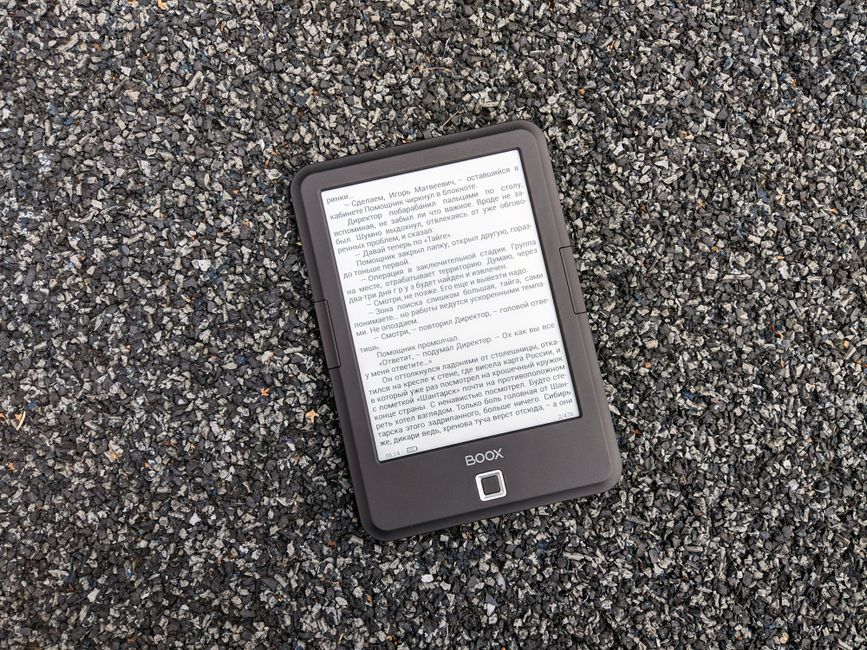
The foundation of any e-reader is its display technology. E Ink, the dominant player, mimics the appearance of ink on paper through tiny black and white capsules. This electro-phoretic technology offers a significant advantage over LCD or OLED screens by virtually eliminating glare and reducing eye strain, even under bright sunlight. However, E Ink technology itself has evolved. Pearl, VizPlex, and Carta are older generations, with Carta being the current standard, offering improved contrast and faster refresh rates. The most significant advancements lie in the integration of front lighting and color E Ink. Front lighting, unlike backlighting found in tablets, illuminates the screen from the side, directing light onto the E Ink surface. This allows for comfortable reading in low-light conditions without the harshness of traditional screens. The brightness of this front light is typically adjustable, allowing users to find their optimal level. Color E Ink, while still a developing technology, opens up possibilities for reading comics, magazines, and textbooks that incorporate color imagery. However, current iterations of color E Ink are often less vibrant, have slower refresh rates than monochrome E Ink, and are generally more expensive. When evaluating E Ink displays, pay attention to the resolution (measured in pixels per inch or PPI). Higher PPI generally translates to sharper text and images. For most readers, 300 PPI is the benchmark for a crisp, paper-like experience.
Battery life is another cornerstone of the e-reader experience, often cited as a major differentiator from tablets. E Ink’s low power consumption, particularly when not actively refreshing the screen, allows e-readers to boast weeks, if not months, of use on a single charge. This longevity is a significant draw for frequent travelers, commuters, or anyone who prefers not to be tethered to a power outlet. Factors influencing battery life include screen brightness, Wi-Fi usage, and the type of content being read (complex PDFs can consume more power than simple EPUBs). While manufacturers often provide estimated battery life, real-world usage can vary. If extended reading sessions without charging are a priority, look for devices with larger battery capacities, though this can sometimes impact device weight. The charging method also warrants consideration. Most e-readers utilize USB-C for charging, which is the modern standard and offers faster charging times and universal compatibility with other devices. Some older models might still use Micro-USB.
Storage capacity is crucial for digital hoarders and avid readers alike. E-readers typically offer internal storage ranging from 8GB to 64GB, and sometimes even more. The amount of storage needed depends on the size of your digital library. A typical e-book file is relatively small, often just a few megabytes. However, if you plan to store a vast collection of books, including PDFs, audiobooks, or even some graphic novels, opting for a higher storage capacity is advisable. Some e-readers also support expandable storage via microSD cards, offering a more flexible and potentially cost-effective way to increase capacity over time. Consider your future reading habits; will you be adding audiobooks to your repertoire? Audiobooks are significantly larger than e-books, so if this is a primary use case, ensure ample storage or microSD support.
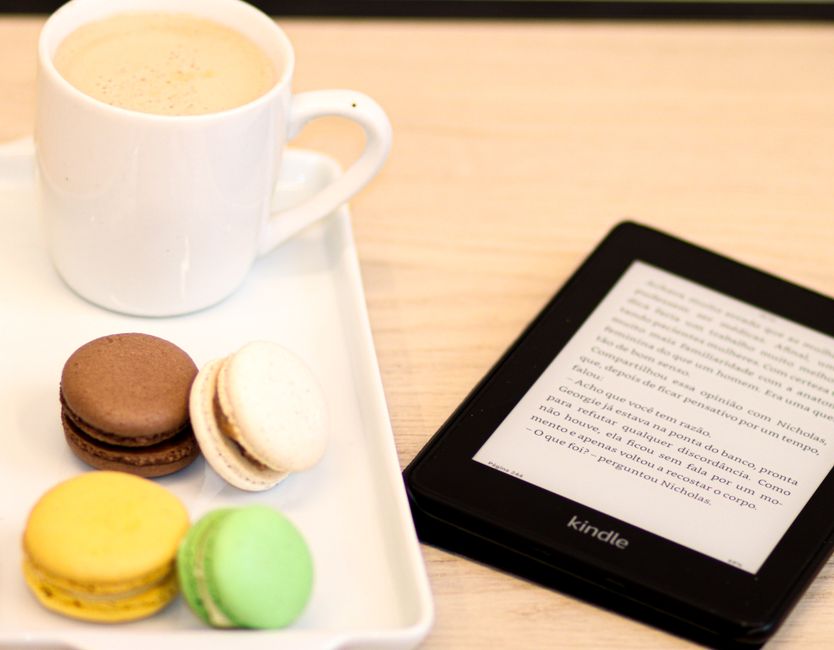
The ecosystem in which an e-reader operates plays a pivotal role in its overall usability and the breadth of content available. Amazon Kindle devices, for instance, are deeply integrated with the Amazon Kindle Store, offering a vast selection of e-books. This seamless integration facilitates effortless purchasing and syncing of books across devices. However, this also means that Kindle devices are optimized for Amazon’s proprietary formats, and while they support some other formats, converting them can sometimes be a workaround. Kobo devices, on the other hand, are known for their broader format support and integration with libraries that offer OverDrive integration, allowing users to borrow e-books directly from public libraries. Other manufacturers might have their own app stores or cloud services. When evaluating ecosystems, consider where you primarily source your e-books and whether the e-reader natively supports those formats or offers a user-friendly conversion process.
Beyond the core functionalities, several other features contribute to a superior e-reading experience. Adjustable font sizes and styles are standard on all e-readers, allowing for personalization. However, some devices offer a wider range of font options and more granular control over line spacing and margins. Text-to-speech functionality, while not as nuanced as a dedicated audiobook, can be useful for listening to books when hands-free is required. This feature often relies on synthesized voices, and the quality can vary significantly. Waterproofing is a valuable consideration for readers who enjoy their books by the pool, in the bath, or during outdoor adventures. Many premium e-readers now boast IPX8 water resistance ratings, meaning they can withstand submersion in water for a certain period. Physical page-turn buttons can be a preferred alternative to on-screen taps for some readers, offering a more tactile and intuitive way to navigate through a book.
The size and weight of an e-reader are important ergonomic considerations. Smaller, lighter devices are more comfortable for one-handed reading and portability. Larger devices, often with 8-inch or even 10-inch screens, offer a more expansive reading area, which can be beneficial for textbooks, PDFs, or graphic novels, but they also tend to be heavier and less pocketable. The build quality and materials used can also impact the feel of the device. Some e-readers feature premium metal finishes, while others are constructed from durable plastic. The presence or absence of headphone jacks or Bluetooth connectivity will be relevant if you intend to listen to audiobooks directly from the device.
The price point of e-readers varies considerably, from budget-friendly models to premium devices packed with advanced features. It’s essential to balance your desired features with your budget. Entry-level e-readers often offer the core E Ink reading experience at an attractive price, making them ideal for casual readers or those new to digital reading. Mid-range devices typically add features like higher resolution screens, more storage, and enhanced waterproofing. Premium e-readers often include color E Ink, larger screens, and advanced connectivity options. When comparing prices, consider the total cost of ownership, factoring in potential accessories like cases or screen protectors, and the availability of desired content within the device’s ecosystem.
Ultimately, the "perfect" e-reader is subjective and deeply personal. For the commuter, a compact, lightweight device with exceptional battery life and a comfortable screen might be paramount. For the academic, a larger screen with robust PDF annotation capabilities and extensive format support could be the deciding factor. For the casual reader, a simple, affordable device that provides a glare-free reading experience may suffice. Don’t be swayed solely by marketing jargon or the highest price tag. Carefully consider your reading habits, your preferred content formats, your budget, and the specific features that will enhance your personal journey into the digital literary world. Taking the time to research and compare different models, read reviews, and even handle devices in person if possible, will significantly increase your chances of finding an e-reader that you will cherish for years to come, a true companion in your ongoing quest for knowledge and entertainment.