

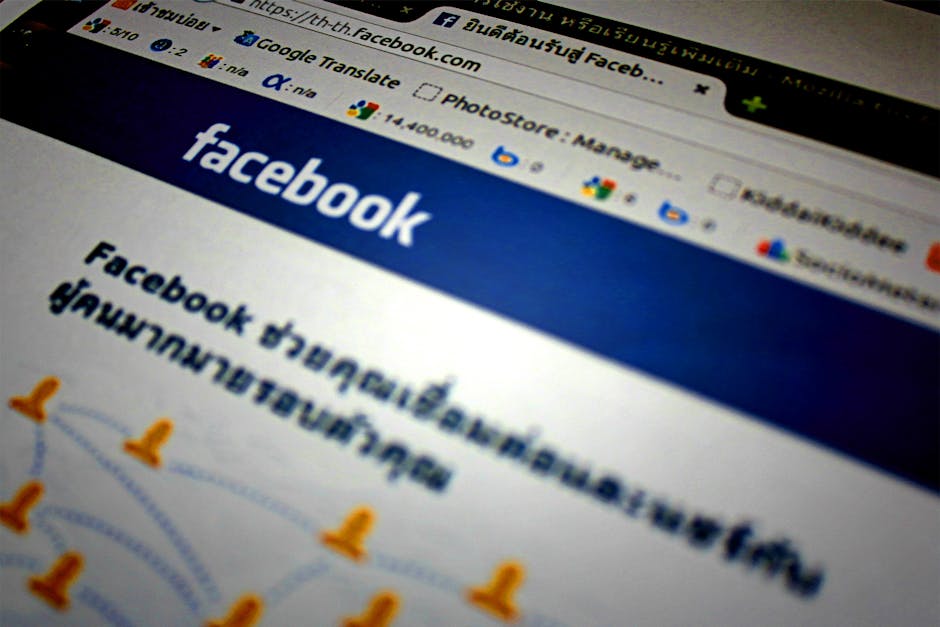
Facebook: Too Big to Care? Examining the Titans of Social Media and Their Impact
The sheer scale of Meta Platforms, Inc., the parent company of Facebook, Instagram, and WhatsApp, presents a complex challenge to the notion of corporate responsibility and user welfare. With billions of active users worldwide, the company wields an unparalleled influence over global communication, information dissemination, and even political discourse. This immense power, however, has increasingly fueled a perception that Facebook, in its colossal form, has become "too big to care." This phrase encapsulates the growing concern that the company’s size and profit motives have overshadowed its ethical obligations to its users and society at large. The algorithms that drive content visibility, the pervasive data collection practices, and the handling of misinformation all come under intense scrutiny when viewed through this lens of overwhelming corporate magnitude. The decentralized nature of its vast platform, while facilitating unprecedented connectivity, also makes it incredibly difficult to monitor and regulate effectively, leading to accusations of a laissez-faire approach to the negative consequences that can arise from its operations.
The foundational argument behind the "too big to care" critique lies in the inherent conflict between Facebook’s profit-driven business model and the well-being of its users. The company’s revenue is primarily generated through targeted advertising, which necessitates the collection and analysis of vast quantities of user data. This data-driven approach incentivizes maximizing user engagement, often at the expense of promoting healthy online environments. Features and algorithms are meticulously designed to keep users scrolling, liking, and sharing, regardless of whether the content is beneficial, truthful, or emotionally constructive. The longer users spend on the platform, the more data is collected, and the more ads can be served. This creates a feedback loop where user attention is commodified, and the pursuit of engagement can lead to the amplification of sensational, divisive, or even harmful content because it tends to generate more reactions. From the spread of conspiracy theories to the fueling of online harassment, the platform’s design, optimized for profit, can inadvertently create fertile ground for these negative phenomena. The sheer volume of content and interactions makes it an overwhelming task to moderate effectively, further exacerbating the problem.
Another significant facet of the "too big to care" argument centers on the amplification and propagation of misinformation and disinformation. Facebook’s algorithms, designed for engagement, often prioritize sensational or emotionally charged content, which can include false or misleading narratives. The speed at which information – and misinformation – can spread across the platform is unprecedented, making it challenging for fact-checking initiatives to keep pace. Critics argue that Facebook has been slow to implement robust measures to combat the spread of fake news, citing instances where fabricated stories have had real-world consequences, influencing elections and public health initiatives. The company’s stated commitment to combating misinformation is often met with skepticism, as its business model remains intrinsically linked to the very engagement that misinformation can generate. The sheer scale of the platform means that even with significant resources dedicated to content moderation, the challenge is monumental, and the perception persists that the company is not prioritizing this issue with the urgency it warrants, especially when compared to its efforts in revenue generation.
The issue of user privacy and data exploitation is also central to the "too big to care" narrative. Facebook’s extensive data collection practices have come under fire repeatedly, most notably with the Cambridge Analytica scandal. Users often have a limited understanding of the breadth and depth of the data collected about them, and how it is used to profile them for advertising purposes. While the company has made efforts to increase transparency around its data practices, the inherent complexity of its systems and the continuous evolution of its data collection methods leave many users feeling vulnerable and exploited. The argument is that Facebook’s size makes it difficult for individuals to exercise meaningful control over their digital footprints, and that the company is more interested in leveraging this data for profit than in safeguarding user privacy. The perception is that the company operates with a "move fast and break things" mentality, and that the "things" being broken are often user trust and privacy.
The monopolistic tendencies of Meta Platforms also contribute to the "too big to care" sentiment. By acquiring or outcompeting potential rivals, Facebook has cemented its dominance in the social media landscape. This lack of competition reduces the incentive for the company to innovate in ways that prioritize user well-being or ethical practices. When users have few viable alternatives for connecting with friends, family, or accessing information, they are effectively locked into Facebook’s ecosystem, regardless of their concerns. This creates a situation where users are beholden to the platform’s rules and policies, even if they are detrimental. Antitrust concerns are therefore intertwined with the "too big to care" debate, as the absence of significant competitive pressure can embolden a dominant company to prioritize shareholder value over societal impact. The company’s vast resources also allow it to weather regulatory challenges and public outcry more effectively than smaller entities, further solidifying its position and potentially diminishing its perceived need to "care" about the consequences of its actions.
The psychological impact of social media, particularly Facebook, has also become a significant area of concern, further fueling the "too big to care" critique. Research has linked heavy social media use to increased rates of anxiety, depression, and feelings of social isolation. The curated nature of online profiles can lead to social comparison and feelings of inadequacy, while the constant barrage of notifications and the pressure to maintain an online presence can be overwhelming. Critics argue that Facebook, in its pursuit of engagement, has not adequately addressed these negative psychological consequences. The platform’s design, which encourages constant interaction and validation-seeking, can be addictive, and the company has been accused of not doing enough to mitigate these addictive tendencies or promote healthier usage patterns. The sheer scale of its user base means that even a small percentage of users experiencing negative psychological effects translates into millions of individuals impacted.
Furthermore, the "too big to care" argument extends to Facebook’s role in political polarization and the erosion of civil discourse. The platform’s algorithms can create "echo chambers" and "filter bubbles," where users are primarily exposed to information and viewpoints that align with their existing beliefs. This can lead to increased polarization, making it more difficult for individuals to engage with opposing perspectives or find common ground. The amplification of inflammatory content, often designed to provoke strong emotional responses, can further exacerbate societal divisions. Critics argue that Facebook has not taken sufficient responsibility for the role its platform plays in shaping political discourse and that its efforts to promote civil dialogue have been insufficient. The sheer volume of political content and the speed at which it can spread make moderation a monumental task, and the company’s business model often benefits from the high engagement that divisive political content can generate.
The regulatory and legal challenges that Facebook faces, while often framed as attempts to hold the company accountable, also highlight its immense power and influence. The company has the resources to engage in extensive lobbying efforts and to mount robust legal defenses against regulatory actions. This can lead to a perception that Facebook is able to effectively circumvent or weaken regulations, further reinforcing the idea that it is "too big to be effectively regulated" or compelled to genuinely "care" about its impact. The slow pace of legislative and judicial processes, combined with the complexity of digital platforms, often means that regulatory responses lag far behind the company’s evolving practices. This creates a perpetual cycle where the company operates largely unhindered, with only the most egregious transgressions leading to significant consequences.
In conclusion, the perception of Facebook as "too big to care" is a multifaceted critique stemming from its immense scale, profit-driven business model, and the profound impact it has on individuals and society. The company’s dominance in the social media landscape, coupled with its intricate algorithms, data collection practices, and the amplification of content, has led to significant concerns regarding misinformation, user privacy, psychological well-being, political polarization, and the very nature of civil discourse. While Meta Platforms has made statements and implemented some measures to address these issues, the persistent criticisms suggest that the company’s size and its core business objectives may continue to overshadow its commitment to genuinely caring for the welfare of its users and the broader societal implications of its operations. The ongoing debate surrounding its antitrust status and the effectiveness of regulatory oversight further underscores the complex relationship between corporate power and social responsibility in the digital age. The challenge lies in finding effective mechanisms to ensure that such powerful platforms are held accountable and that their operations align with the public interest, rather than solely with the pursuit of profit and engagement at any cost. The sheer inertia and ingrained practices of such a colossal entity make the prospect of fundamental change a daunting, but necessary, endeavor for the future of online interaction and societal well-being. The future of social media’s influence hinges on whether these platforms can evolve beyond a purely transactional relationship with their users and demonstrate a genuine commitment to the ethical implications of their pervasive reach.










No comments yet. Be the first to join the conversation!