


Synthetic vs. Real Life: Is There a Place for Both?
The burgeoning integration of synthetic realities into our daily existence necessitates a critical examination of their role alongside, and in contrast to, our organic, tangible experiences. This is not a zero-sum game of either/or, but rather a nuanced exploration of how augmented and virtual environments can coexist with, enhance, and even challenge our perception of "real life." The definition of "real" itself is undergoing a seismic shift. Is it the physical interactions, the sensory input from our biological senses, the shared cultural touchstones, or the emotional resonance derived from lived experiences? Or can a meticulously crafted digital world, indistinguishable in its fidelity and impact, also qualify as real? This article delves into the multifaceted relationship between synthetic and real life, exploring their individual strengths, their potential for synergy, and the ethical and psychological considerations that arise from their increasing interconnectedness.
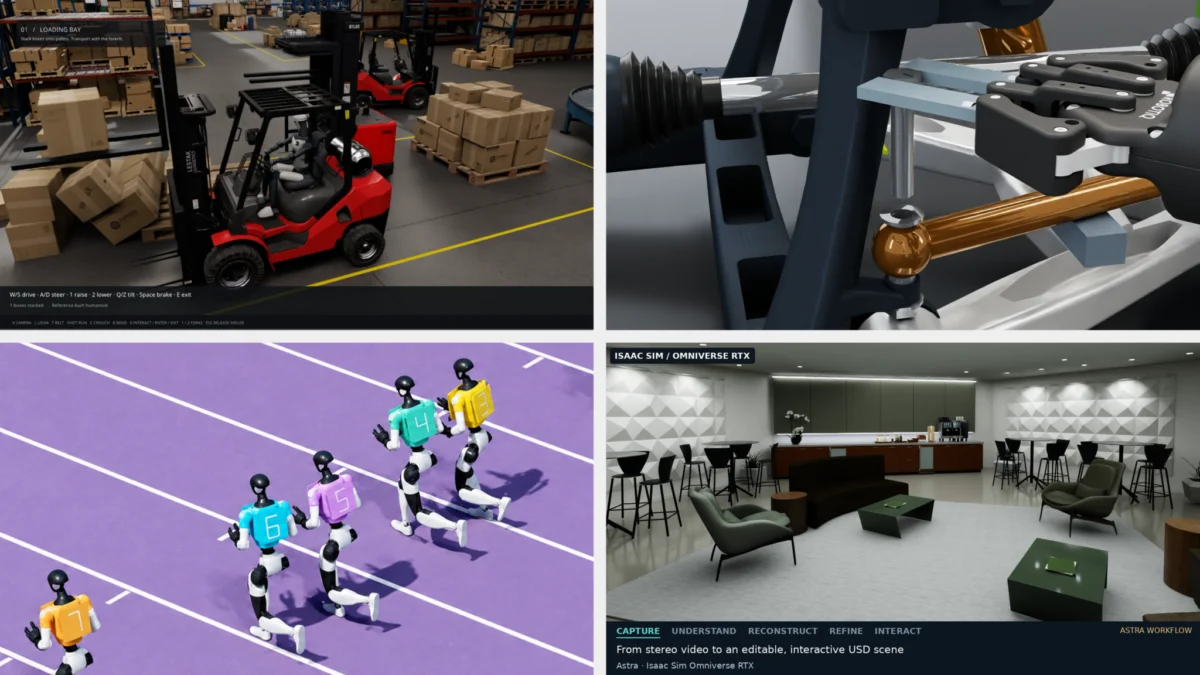
Synthetic realities, encompassing virtual reality (VR), augmented reality (AR), and sophisticated digital simulations, offer unparalleled opportunities for immersion, escapism, and unprecedented access to experiences that would otherwise be impossible or impractical. VR, through its ability to completely transport users to alternate environments, allows for profound exploration of historical sites, distant planets, or even abstract conceptual spaces. This can foster empathy by enabling individuals to step into the shoes of others, experiencing their perspectives and challenges firsthand. Imagine surgeons training in hyper-realistic simulations, minimizing risks to real patients, or students conducting complex scientific experiments in a safe, virtual laboratory. The educational potential is vast, democratizing access to knowledge and skill development regardless of geographical limitations or resource constraints. Furthermore, synthetic worlds can serve as powerful tools for therapeutic interventions. Exposure therapy for phobias, for instance, can be conducted in controlled virtual environments, gradually acclimating individuals to their fears without real-world danger. Social isolation, a growing concern in modern society, can be mitigated through virtual social spaces that offer connection and community, especially for those with mobility issues or geographical barriers. The creative and artistic possibilities are equally boundless, allowing for the construction of entirely new aesthetic experiences and the exploration of narrative in novel ways. These synthetic realms are not merely passive entertainment; they are active platforms for learning, growth, and connection.
Conversely, the irreplaceable essence of "real life" lies in its inherent unpredictability, its tangible sensory richness, and the deep, often messy, emotional tapestry woven through genuine human interaction. The smell of rain on dry earth, the warmth of sunlight on skin, the subtle nuances of a spoken word, the shared laughter during a spontaneous moment – these are sensory inputs that currently remain unparalleled in their authenticity and depth. Real life is characterized by consequence, by the weight of actions and their impact on the physical world and other beings. It is in these tangible interactions that profound bonds are forged, where trust is built through consistent action, and where the bittersweet lessons of failure and triumph are learned. The physical touch, the shared meal, the spontaneous conversation on a park bench – these are fundamental human experiences that contribute to our sense of belonging and our understanding of ourselves within a larger social context. Real life offers a visceral connection to the planet, a grounding in the natural order that synthetic realities, no matter how sophisticated, struggle to fully replicate. The inherent limitations and imperfections of the real world also contribute to its richness; it is in navigating these challenges that resilience is built and character is shaped. Furthermore, the subjective nature of perception in real life, influenced by individual memories, cultural backgrounds, and emotional states, creates a unique and unrepeatable interpretation of events for each person. This subjective richness is a cornerstone of human experience.
The question then shifts from "which is better?" to "how can they complement each other?" The most compelling future lies in the seamless integration of synthetic and real experiences, creating a blended reality that leverages the strengths of both. Augmented reality, for example, offers a potent bridge. Imagine walking through a historical city, with AR overlays providing real-time information about buildings, past events, and even historical figures walking the streets virtually. This enriches our understanding and appreciation of the real world, making it more engaging and educational. In the professional sphere, AR can revolutionize fields like engineering and maintenance, allowing technicians to see schematics overlaid onto machinery in real-time, or surgeons to access patient data and imaging directly during an operation. For designers and architects, AR allows for immersive visualization of projects in their intended physical spaces before construction even begins, fostering better communication and reducing costly errors.
Socially, synthetic platforms can act as a supplement rather than a replacement for real-world interaction. They can facilitate connections across distances, allowing families and friends to gather virtually for celebrations or simply to catch up, even when physically separated. Online gaming communities, for instance, have fostered strong bonds and friendships, providing a sense of belonging for many. However, it is crucial to maintain a healthy balance. Over-reliance on virtual social interactions could lead to a degradation of real-world social skills and a diminished capacity for genuine empathy, which is often built on subtle non-verbal cues and shared physical presence. The challenge lies in designing and utilizing these technologies in ways that augment and enhance our real-world connections, rather than undermining them.
Ethical considerations surrounding synthetic realities are paramount. Issues of data privacy are magnified when our most intimate experiences are being recorded and analyzed. The potential for manipulation, through sophisticated advertising or even the creation of propaganda within immersive environments, requires robust ethical frameworks and regulatory oversight. The question of what constitutes consent in virtual spaces, and how to protect individuals from harassment and exploitation, is a complex and evolving area. Furthermore, the potential for addiction to highly immersive and rewarding synthetic worlds is a growing concern, mirroring existing issues with digital media but with a potentially more profound impact due to the all-encompassing nature of VR. The blurring lines between the real and the synthetic could also lead to identity confusion or a detachment from the consequences of one’s actions in the physical world. We must proactively develop safeguards and promote responsible use to mitigate these risks.
The economic implications of the synthetic versus real-life dichotomy are also significant. The development and widespread adoption of VR and AR technologies represent a new frontier for industries, creating jobs in content creation, hardware development, and software engineering. However, there are also concerns about the potential for job displacement as automation and AI-powered simulations become more sophisticated. The accessibility of these technologies also presents a challenge, with the risk of creating a digital divide where only those with the means can access the full benefits of synthetic realities, further exacerbating existing inequalities. Ensuring equitable access and fostering inclusive development are critical for a just transition into this new era.
Ultimately, the future is not about choosing between synthetic and real life, but about understanding their interconnectedness and harnessing their combined potential. Real life provides the grounding, the sensory foundation, and the profound emotional resonance that are uniquely human. Synthetic realities offer unparalleled opportunities for exploration, learning, connection, and creativity that can enrich and expand our lived experiences. The key lies in mindful integration, in developing technologies and habits that serve to enhance our understanding of the world and our connections with each other, rather than to distract or isolate us. It is a delicate dance, and one that requires ongoing dialogue, critical reflection, and a commitment to ensuring that technology serves humanity, not the other way around. As we navigate this evolving landscape, the ability to discern, to appreciate the irreplaceable value of tangible experiences, and to leverage the power of the synthetic judiciously will define our collective future. The goal is not to escape reality, but to augment and deepen it.










No comments yet. Be the first to join the conversation!