Google Maps Adds Back Road Traffic Flow Data
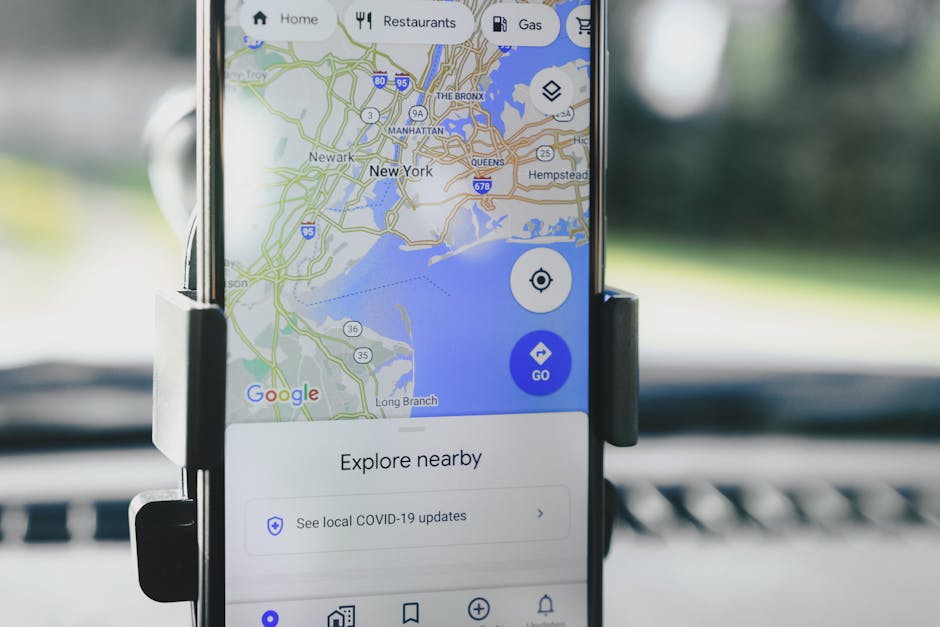
Google Maps Revives Backroad Traffic Flow: A Game-Changer for Rural Navigation and Logistics
Google Maps has quietly reintroduced and significantly enhanced its backroad traffic flow data, a feature that was once a staple for many users navigating less-traveled routes. This resurgence is far more than a cosmetic update; it represents a crucial advancement for individuals, businesses, and even public services relying on efficient and predictable travel times across rural and semi-rural landscapes. The return of this granular traffic information addresses a long-standing pain point for those who frequently utilize unpaved roads, farm tracks, and secondary highways, areas historically underserved by real-time traffic monitoring. Previously, Google Maps primarily focused its advanced traffic analytics on major arterial roads and urban centers, leaving drivers on smaller routes to contend with the unknown, often leading to unexpected delays, resource wastage, and increased frustration. The renewed emphasis on backroad data signals a more inclusive and comprehensive approach to navigation, acknowledging that a significant portion of daily travel and essential logistics occurs beyond the confines of major highways.
The technical underpinnings of this revived feature are sophisticated, leveraging a combination of anonymized location data from a vast network of Android and iOS devices, alongside historical traffic patterns. When a user’s device is within a geofenced area representing a backroad, and their location data is shared with Google (with user permission), this information contributes to the overall traffic flow analysis. Algorithms then process this raw data, factoring in speed, direction, and density of devices to generate a real-time traffic speed indicator for these less conventional routes. This is not a simple "green, yellow, red" color coding; it provides a more nuanced understanding of how traffic is actually moving, identifying potential bottlenecks caused by slow-moving agricultural machinery, temporary road closures not yet officially registered, or even unexpected congestion due to local events. The aggregation of this data over time allows Google Maps to build robust historical traffic profiles for these routes, enabling more accurate predictive analysis. This predictive capability is particularly valuable for planning journeys where time is critical, such as emergency services response, agricultural delivery schedules, or even personal travel during peak rural seasons like harvest or planting.
For logistics and delivery services, the impact of accurate backroad traffic data is profound and directly translates to operational efficiency and cost savings. Companies that operate fleets of vehicles, from small local couriers to large agricultural transport companies, often rely on a complex network of secondary roads to reach their destinations. Historically, dispatchers had to make educated guesses about travel times on these routes, often padding estimates to account for the unknown. This padding, while seemingly prudent, can lead to inflated delivery windows, increased fuel consumption due to inefficient routing, and unhappy customers. With real-time and historical backroad traffic data, dispatchers can now optimize routes with greater precision, factoring in actual travel speeds and potential delays. This allows for more realistic ETAs, reduced idle time for vehicles, and the potential to complete more deliveries within a given timeframe. Moreover, the ability to dynamically reroute drivers away from unexpected congestion on backroads can prevent costly delays, especially for time-sensitive goods like fresh produce or livestock. The data also aids in long-term route planning and network optimization, identifying consistently problematic sections of road that might warrant alternative strategies or even lobbying for infrastructure improvements.
The agricultural sector stands to benefit immensely from this enhancement. Farmers and agricultural businesses frequently navigate unpaved farm roads, county lanes, and other rural thoroughfares to access fields, transport equipment, and move harvested crops. During critical periods like planting and harvesting, every hour counts. Unexpected delays on a backroad can mean the difference between a successful harvest and significant crop loss due to weather or spoilage. Accurate traffic flow data on these routes allows for more precise scheduling of planting and harvesting operations, ensuring that machinery and personnel are deployed efficiently. It also facilitates the timely transportation of goods to processing facilities or markets, minimizing spoilage and maximizing profitability. Farm equipment, particularly large tractors and combine harvesters, can significantly impact traffic flow on narrow country roads. Real-time data can help other drivers anticipate and avoid these slow-moving vehicles, improving safety and reducing frustration for all road users. Furthermore, agricultural suppliers can use this data to optimize their delivery routes for fertilizers, seeds, and other essential inputs, ensuring that farmers receive what they need exactly when they need it.
Emergency services, including ambulances, fire trucks, and police vehicles, face unique challenges when navigating rural areas. Their response times can be critical in saving lives and mitigating damage. Historically, dispatchers for these services might have had limited real-time information about the conditions on less-traveled roads, potentially leading to slower response times. The reintroduction of comprehensive backroad traffic flow data empowers emergency responders with a more accurate understanding of the quickest and most efficient routes, even in remote locations. This can mean the difference between life and death in critical situations. Dispatchers can proactively identify potential delays and reroute units accordingly, ensuring that help arrives as quickly as possible. Furthermore, this data can inform the placement of emergency response resources, identifying areas with consistently longer travel times and potentially justifying the need for additional strategically located stations or equipment. The ability to predict travel times on any given route, regardless of its classification, is a significant asset in operational planning and resource allocation for all public safety agencies.
For individual drivers and commuters who live in or travel through rural areas, this update enhances the reliability and predictability of their journeys. No longer are they forced to rely on outdated paper maps or simply hope for the best when choosing a backroad to avoid highway congestion. Google Maps can now offer more informed routing, suggesting alternative routes that might be slightly longer in distance but faster in actual travel time due to less traffic. This is particularly relevant for individuals who use backroads to commute to work, transport children to school, or run errands. It reduces the stress and uncertainty associated with rural travel, making everyday journeys more manageable. The data also contributes to increased safety by providing more awareness of potential hazards, such as slow-moving vehicles or areas prone to congestion, allowing drivers to adjust their driving accordingly.
The economic implications of this feature are far-reaching. By improving the efficiency of transportation and logistics, it reduces operational costs for businesses, which can translate into lower prices for consumers. It also supports the vitality of rural economies by making it easier and more cost-effective to transport goods and services in and out of these areas. Furthermore, more reliable navigation can encourage tourism and recreation in rural destinations, as visitors can plan their trips with greater confidence. The improved flow of goods and services also supports local employment and economic development.
SEO considerations for content related to this Google Maps feature are crucial for reaching the intended audience. Keywords such as "Google Maps backroad traffic," "rural navigation," "farm road traffic data," "delivery route optimization," "agricultural logistics," "emergency response routing," and "secondary road traffic" will be highly valuable. Optimizing articles and web pages with these terms will ensure that individuals and businesses searching for solutions to navigation challenges in less-traveled areas can easily find relevant information. The technical depth and practical applications discussed in this article provide ample opportunities for content creators to target specific user needs and pain points, thereby improving search engine rankings and driving organic traffic.
Beyond the immediate user benefits, the broader societal impact of this data enhancement is significant. It acknowledges the vital role that rural infrastructure and transportation play in the overall functioning of a nation’s economy and social fabric. By providing more granular and accurate traffic data for all types of roads, Google Maps is contributing to a more connected and efficient transportation ecosystem. This data can also be invaluable for urban planners and transportation authorities who may not have direct access to this level of detail for rural areas. It can inform decisions about infrastructure investment, road maintenance, and traffic management strategies. The continuous refinement of these algorithms and the expansion of data collection will likely lead to even more sophisticated features in the future, further solidifying Google Maps’ position as an indispensable tool for navigation in all environments. The commitment to improving backroad traffic data demonstrates a dedication to providing a truly comprehensive and universally applicable navigation experience, bridging the gap between urban convenience and rural reality. This renewed focus signifies a mature understanding of the diverse needs of its user base and a commitment to leveraging technology to solve real-world problems across the entire transportation spectrum.